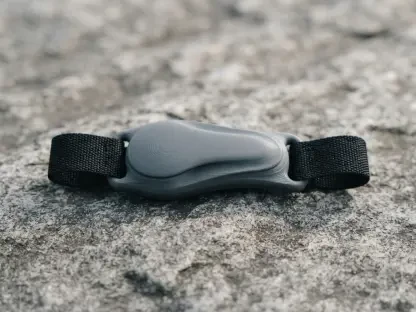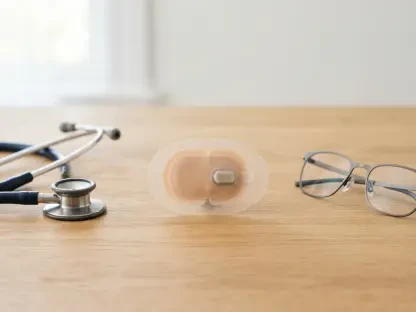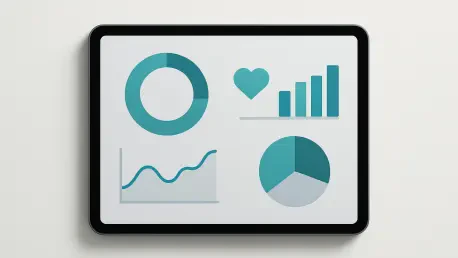
The distinction between a clinical diagnosis and a general wellness insight became a billion-dollar legal debate when the FDA targeted Whoop's PPG sensor technology. This conflict served as the primary catalyst for a fundamental reconfiguration of how biometric data is governed and distributed to
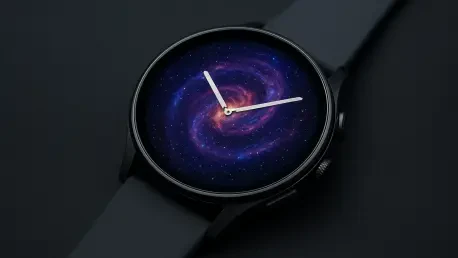
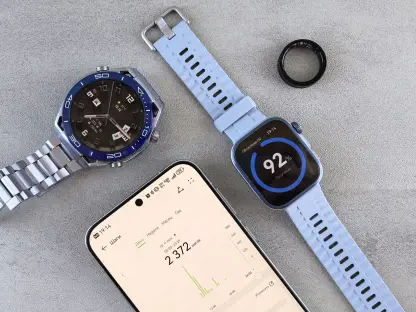
Sixty-six percent of Australian women currently own or plan to purchase a wearable device specifically to track heart rate and sleep patterns for safety. This statistic underscores a major shift in the consumer electronics landscape as Samsung officially unveils its latest wearable lineup, the
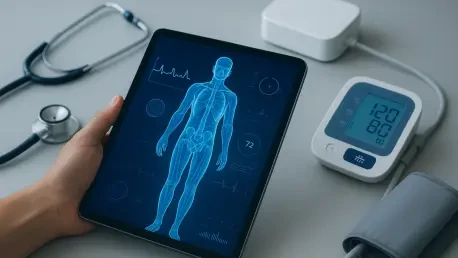
A wearable cardiac sensor represents only the entry point of a data pipeline where generative AI models synthesize raw readings into clinical assessments. In the current medical landscape, the definition of a medical device has undergone a profound transformation, moving from physical, isolated

The TeleCare SmartHub functions as a one-stop medical solution by combining professional telecommunications technology with high-level clinical expertise. This integration represents a significant departure from traditional healthcare delivery models that relied on centralized hospital visits for

The concept of clinical continuity has replaced simple data confidentiality as the primary driver for multi-billion dollar investments in modern healthcare security infrastructure. As hospitals and clinics across the globe have transitioned from traditional paper charts to fully integrated digital
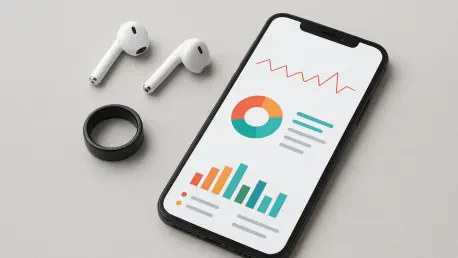
In a landscape saturated by bulky smartwatches and invasive notifications, a subtle shift toward minimalist health tracking has redefined how users engage with their own biological data. With a five-atmosphere water resistance rating, the hardware is designed to remain on the finger during