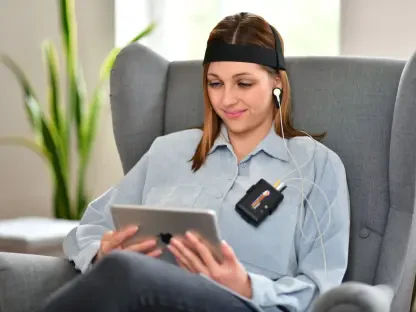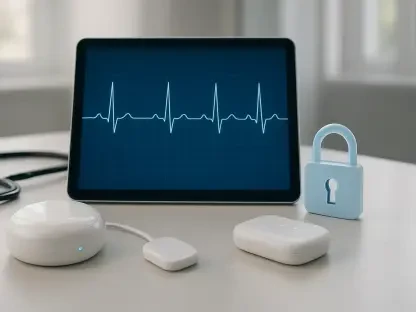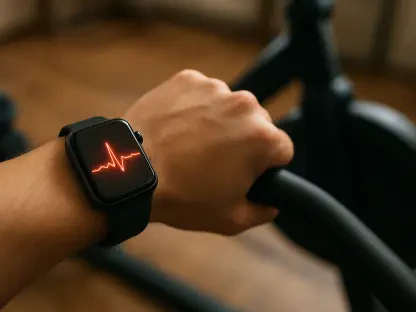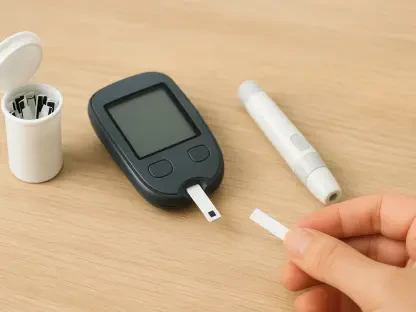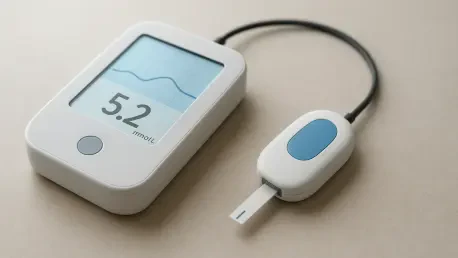

Continuous streaming of high-fidelity ECG signals creates a massive volume of data that often exceeds the bandwidth capabilities of resource-constrained IoT networks. As the healthcare landscape in 2026 increasingly shifts toward decentralized patient monitoring, the reliance on wearable sensors

The integration of artificial intelligence serves as a necessary response to the increasing complexity of modern medicine and global shipping volatility. In the current landscape of 2026, pharmaceutical companies are rapidly abandoning the manual, paper-based procurement methods of previous years
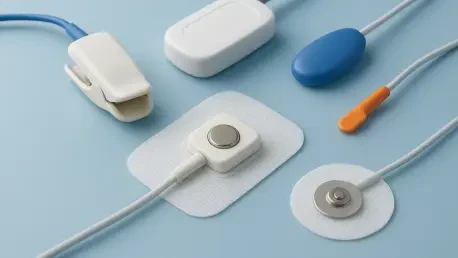
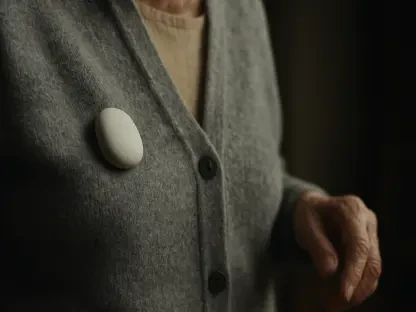
Wearable patches and biosensors allow the elderly to remain in their homes while staying under the constant digital eye of medical professionals, fundamentally altering the relationship between patients and their healthcare providers. This technological evolution marks a definitive departure from
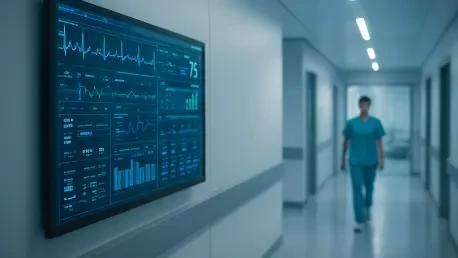
Transitioning to an intelligent monitoring framework allows healthcare leaders to maximize the value of human judgment by delegating routine data processing to automated systems. This fundamental shift arrives as the global medical landscape confronts a systemic breaking point where traditional
The distinction between a clinical diagnosis and a general wellness insight became a billion-dollar legal debate when the FDA targeted Whoop's PPG sensor technology. This conflict served as the primary catalyst for a fundamental reconfiguration of how biometric data is governed and distributed to
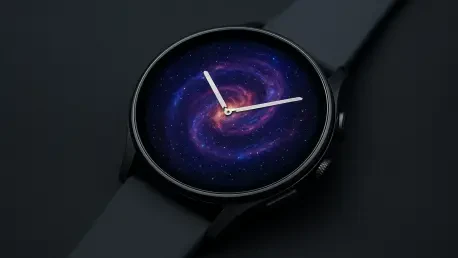
Sixty-six percent of Australian women currently own or plan to purchase a wearable device specifically to track heart rate and sleep patterns for safety. This statistic underscores a major shift in the consumer electronics landscape as Samsung officially unveils its latest wearable lineup, the