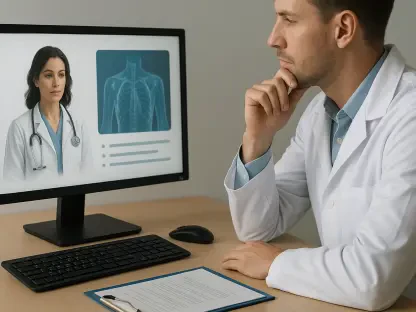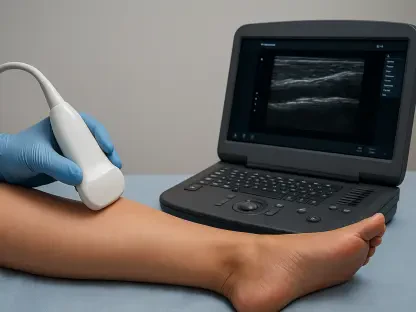
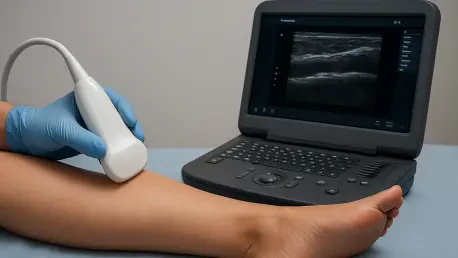
ThinkSono’s technology bridges the expertise gap by allowing nurses and clinicians to record diagnostic-grade recordings without years of specialized sonography training. This breakthrough represents a significant shift in the management of Deep Vein Thrombosis (DVT), a condition that impacts
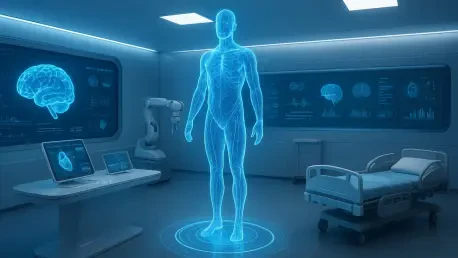
Integrating sophisticated data tools into existing health infrastructures serves to modernize training while simultaneously reorganizing the way medical services are delivered. As the medical landscape undergoes this rapid evolution, the shift from theoretical promise to practical application has

The Mr. Mind project represents a significant shift toward the digitalization of human-centric social services within the Gyeonggi Provincial welfare framework. As demographic trends indicate a sharp increase in the number of seniors living in isolation, the provincial government has recognized
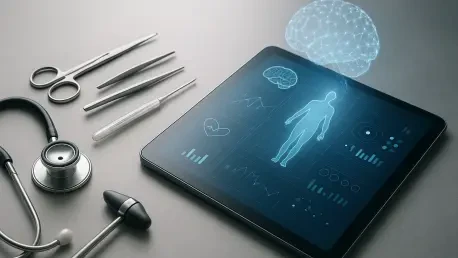
Medtech companies that treat digital design as a downstream concern frequently underestimate how deeply a fragmented interface affects real-world clinical outcomes and practitioner trust. As the healthcare industry navigates the technological landscape of 2026, the traditional boundary between
Dr. Wachter contends that the inefficiencies of the modern healthcare system have reached a point where maintaining the current status quo is an immoral choice. This provocative stance served as the foundation for his keynote address at the American Academy of Ophthalmology 2026 Annual Meeting,
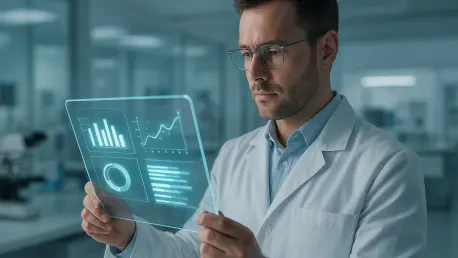
There is a prevailing debate regarding whether artificial intelligence makes data standards obsolete, yet evidence suggests that AI actually increases the value of human consensus. This realization comes at a time when the clinical research industry is navigating a structural crossroads, moving
1 2 3 4 5 6 7 8 9 10 11 12 13 14 15 16 17 18 19 20 21 22 23 24 25 26 27 28 29 30 31 32 33 34 35 36 37 38 39 40 41 42 43 44 45 46 47 48 49 50 51 52 53 54 55