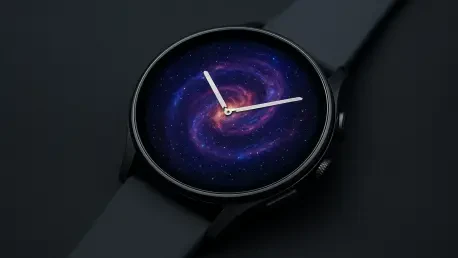

Sixty-six percent of Australian women currently own or plan to purchase a wearable device specifically to track heart rate and sleep patterns for safety. This statistic underscores a major shift in the consumer electronics landscape as Samsung officially unveils its latest wearable lineup, the Galaxy Watch9 and the Galaxy Watch Ultra2. These devices represent a significant evolution in how technology assists with personal wellness, moving far beyond the era of simple step-counting. Rather than focusing solely on traditional hardware upgrades, Samsung has positioned these new models as proactive personal health coaches. This strategic shift aims to meet a growing global demand for technology that does more than just track movement; it interprets complex biometric data to help users build sustainable, healthy habits over time. In the Australian market specifically, research indicates a profound change in consumer expectations regarding health. A majority of citizens now view wellness as a holistic concept that bridges the gap between physical fitness and mental well-being. This perspective has fueled a surge in interest for wearables that provide actionable insights, particularly among women, who now represent a dominant portion of the smartwatch user base and are increasingly looking for tools to manage their daily health routines with precision and ease.
Bridging the Gap: Artificial Intelligence
Transforming DatActionable Coaching
The integration of Galaxy AI serves as the technological backbone of the new series, moving these devices beyond the role of passive data collection tools. In previous iterations, smartwatches were primarily used to record heart rates or step counts, leaving the user to interpret what those numbers actually meant for their long-term health. The Galaxy Watch9 series changes this dynamic by analyzing continuous biometric data to provide personalized recommendations tailored to the specific physiological state of the wearer. This approach addresses the “why” and “how” behind health metrics, giving users a much clearer path toward achieving their specific wellness goals through intelligent, habit-forming guidance. By utilizing machine learning algorithms that adapt to individual recovery patterns and activity levels, the watch can suggest when a user should push harder during a workout or when it is time to prioritize rest. This transition into active coaching means the device is no longer just a digital diary; it is a collaborative partner in the user’s daily life, helping them navigate the complexities of modern health management with a level of sophistication previously reserved for professional athletes or specialized medical equipment.
Beyond mere suggestions, the AI-driven ecosystem fosters a deeper understanding of how various lifestyle choices impact overall vitality. For instance, the system might correlate a decrease in cardiovascular efficiency with poor sleep hygiene from the preceding days, offering a comprehensive explanation rather than a disconnected alert. This level of contextual awareness is critical for users who are trying to balance high-pressure careers with physical fitness. The Galaxy AI identifies subtle trends in heart rate variability and metabolic markers that a human might overlook, providing a layer of oversight that encourages proactive lifestyle adjustments. As these devices become more ingrained in daily routines throughout 2026 and beyond, the focus remains on empowering the individual. The software does not just present a wall of data; it synthesizes that information into a narrative that explains how small changes in routine can lead to significant improvements in health outcomes. This transformation of raw data into a coherent coaching strategy represents the most significant leap in wearable technology in recent memory, ensuring that every sensor on the wrist serves a practical, understandable purpose for the wearer.
Comprehensive Metrics: Holistic Health
To provide a 360-degree view of a user’s physical state, Samsung has introduced a suite of sophisticated features, including the Heart Health Score and Daily Cardio Load. These tools are designed to move away from the “snapshot” approach to health, requiring several weeks of continuous wear to establish accurate personal baselines. This emphasis on long-term data collection ensures that the insights provided are not skewed by a single day of high stress or an unusual workout. By monitoring vitals and vascular trends over an extended period, the watches act as an early-warning system that can detect subtle deviations from a user’s normal physiological state. While these features are intended for fitness and wellness purposes, they provide a valuable foundation for users to identify potential issues early on. The system encourages users to seek professional advice when irregularities are detected, effectively bridging the gap between consumer-grade tracking and professional health awareness. This long-term monitoring is essential for understanding how the body ages and reacts to the cumulative effects of exercise and stress, providing a more mature perspective on health than the metrics of the past.
The sophistication of these metrics is further enhanced by the way the device manages vascular health and overall cardiovascular resilience. The Daily Cardio Load feature, for example, calculates the strain placed on the heart during physical activity relative to the user’s current fitness level and recovery status. This prevents overtraining and reduces the risk of injury by advising users on the optimal intensity for their next session. Meanwhile, the Heart Health Score provides a simplified yet data-rich overview of cardiovascular wellness, incorporating factors like resting heart rate, oxygen saturation, and blood pressure trends where available. This holistic approach ensures that the user is not just looking at how many calories they burned, but how their heart is responding to their lifestyle as a whole. By providing a continuous feedback loop, the Galaxy Watch9 series helps individuals maintain a balanced approach to physical exertion. The goal is to create a more resilient user base that understands the nuances of their own biology. As the technology continues to refine its predictive capabilities, the ability to maintain a stable, healthy baseline becomes much more achievable for the average person, regardless of their starting fitness level or age.
Tailoring Technology: Diverse Lifestyles
Galaxy Watch9: Daily Wellness Partner
Designed specifically for the mainstream consumer, the Galaxy Watch9 prioritizes comfort and seamless integration into daily life. It features an Everyday Wellness Companion profile that focuses on ergonomics and significantly extended battery life to ensure that 24/7 wear is not only possible but comfortable. This is a critical factor for users who want to capture a complete picture of their health, including overnight recovery and passive daytime activity. With the help of the Samsung Health app, the device utilizes Bioelectrical Impedance Analysis to provide a detailed Fitness Index. This tool helps users understand their body composition, including skeletal muscle mass and body fat percentage, alongside their aerobic capacity. By providing these metrics in an easy-to-digest format, the Galaxy Watch9 helps people navigate their daily routines with a better understanding of how their body is functioning. Whether the wearer is walking to work or managing a busy household, the watch stays in the background, quietly gathering the information necessary to provide a comprehensive wellness report at the end of the day, making it an essential tool for modern living.
The integration of the Fitness Index into the daily routine allows users to see the immediate and long-term effects of their activity levels on their body composition. This is particularly useful for those who are not necessarily training for a marathon but want to maintain a healthy weight and functional strength. The Galaxy Watch9 simplifies this process by automating the data collection and providing insights that are relevant to the user’s specific lifestyle goals. For example, it might suggest increasing protein intake or focusing on resistance training if it detects a decrease in muscle mass. This level of personalized feedback makes the device much more than a watch; it becomes a constant companion that supports a healthier way of living. The sleek design and lightweight materials ensure that it does not feel like a piece of clinical equipment, but rather a stylish accessory that happens to be one of the most advanced health monitors available. By focusing on the user experience and the practical application of data, Samsung has created a device that appeals to a broad demographic, from young professionals to retirees looking to stay active and informed about their physical health.
Galaxy Watch Ultra2: High-Performance Users
For those with more rigorous physical demands, the Galaxy Watch Ultra2 offers enhanced durability and specialized tracking capabilities that go far beyond the standard model. It is powered by the high-performance Qualcomm Snapdragon Elite platform, which provides the processing power necessary for precision tracking in remote or challenging environments. This device is built to withstand extreme temperatures and conditions, making it the ideal choice for outdoor enthusiasts and professional athletes. Features like Trail Run provide detailed elevation data and topographical insights, allowing runners and hikers to track their progress with incredible accuracy. Furthermore, the inclusion of a dedicated Nutrition Alert system offers real-time hydration and fueling guidance based on the intensity of the exercise and the body weight of the user. This ensures that athletes can maintain peak performance throughout their training sessions without the guesswork traditionally associated with endurance sports. The Ultra2 is not just a tougher version of the standard watch; it is a precision instrument designed for those who push their bodies to the limit.
The specialized features of the Galaxy Ultra2 also include advanced recovery metrics that are essential for high-performance training. After a grueling session, the watch analyzes the intensity of the effort and the user’s physiological response to recommend a specific recovery window. This prevents the common pitfall of returning to high-intensity training before the body has fully repaired itself. Additionally, the hydration guidance is dynamic, adjusting in real-time if the ambient temperature rises or if the user’s heart rate indicates a higher level of exertion than usual. This level of technical sophistication ensures that the user is always informed about their physical state, even when they are focused on the task at hand. The Snapdragon Elite platform ensures that even the most complex calculations are handled seamlessly, providing a smooth user interface and reliable data even in areas with limited connectivity. By catering to the specific needs of athletes and adventurers, Samsung has created a specialized tool that enhances safety and performance in the field, setting a new standard for what a high-end wearable can achieve in terms of both durability and intelligent software support.
Elevating the Standards: Recovery and Accuracy
Prioritizing Sleep: Pillar of Health
Recognizing that sleep is a primary health goal for a vast number of users, Samsung has heavily invested in sleep hygiene technology within the Galaxy Watch9 series. The new lineup offers advanced sleep pattern analysis that goes beyond simply timing how long a person is in bed. It tracks various stages of sleep, including REM, light, and deep sleep, while also monitoring blood oxygen levels and snoring patterns to provide a comprehensive Sleep Score. One of the most significant additions is the sleep apnea warning system, which uses the watch’s sensors to detect potential breathing irregularities during the night. By moving from simple monitoring to active recovery improvement, the devices help users understand the quality of their rest and how it directly impacts their overall physical and mental performance during the day. The inclusion of bedtime guidance and personalized coaching helps users develop better habits, such as consistent wake-up times and wind-down routines, which are essential for long-term health and cognitive function in a fast-paced world.
The connection between sleep quality and daily performance is a central theme of the Galaxy Watch9’s software. The device provides a “Readiness Score” each morning, which combines the previous night’s sleep data with recent activity levels and stress markers. This score helps users decide whether they should take on a challenging project or focus on active recovery for the day. By educating the user on the importance of the various sleep stages, the watch empowers them to make lifestyle choices that prioritize rest. For example, if the AI detects that deep sleep is consistently low, it may suggest adjusting the temperature of the bedroom or avoiding caffeine later in the day. This proactive approach to sleep hygiene is designed to address the root causes of fatigue rather than just documenting the symptoms. As more people realize that sleep is the foundation of all other health metrics, the tools provided by the Galaxy Watch9 series become indispensable for anyone looking to optimize their daily life. The goal is to move away from a culture of sleep deprivation and toward a more balanced, recovery-focused lifestyle that supports long-term wellness.
Technical Requirements: Ecosystem Synergy
To achieve the highest level of utility and accuracy, these advanced features rely on a tightly integrated ecosystem of hardware and software. The Galaxy Watch9 series requires modern Android hardware and the latest version of the Samsung Health app to process the complex calculations handled by the onboard AI. This synergy ensures that the data processed on the wrist is seamlessly reflected across the user’s digital life, providing a consistent experience whether they are looking at their watch, their smartphone, or a tablet. The heavy lifting of the data analysis is shared between the device’s specialized processors and the cloud-based algorithms, allowing for deep insights without sacrificing battery life or performance. This ecosystem approach also allows for better data security and privacy, as Samsung continues to refine how sensitive biometric information is stored and shared. While the technology is incredibly advanced, the company maintains that these tools are intended for fitness and general wellness purposes, and they do not replace the need for professional medical diagnosis or the advice of a qualified healthcare provider.
The importance of this synergy is particularly evident when looking at how different devices within the Samsung ecosystem work together to support a user’s health goals. For instance, data from the Galaxy Watch9 can be used to adjust the settings on a Samsung smart TV during a guided workout, or to provide insights that are shared with a user’s primary care physician through secure health records. This interconnectedness ensures that the health data collected is not siloed but is instead used to create a more comprehensive and useful health profile. As the software continues to evolve through 2026 and 2027, the integration will likely become even more seamless, with AI agents providing real-time advice based on a vast array of environmental and physiological inputs. This technical foundation is what allows Samsung to offer such a high level of personalization. By controlling both the hardware and the software, the company can ensure that the sensors are tuned to provide the most accurate data possible, which is then interpreted by algorithms specifically designed to work with that hardware. This results in a more reliable and useful product that can truly serve as a personal health coach for the modern consumer.
Future Outlook: Wearable Health Technology
Proactive Wellness: The Shift
The transition of the smartwatch from a luxury gadget to a vital health tool reflects a broader societal trend toward proactive self-care. In recent years, there has been a significant move away from reactive medicine toward a model where individuals take a more active role in monitoring and maintaining their own health. The Galaxy Watch9 series is at the forefront of this movement, providing the tools necessary for people to take ownership of their biometric data. As AI continues to refine how this data is interpreted, the distinction between consumer electronics and health monitoring continues to blur. This evolution empowers individuals to have more informed conversations with their healthcare providers, using the long-term data collected by their wearables to provide a clearer picture of their overall health. This shift is not just about the technology itself, but about a fundamental change in how people perceive their relationship with their bodies. The ability to monitor one’s own health in real-time provides a sense of agency and control that was previously unavailable to the average person, leading to a more balanced and health-conscious society.
This empowerment through data is particularly important as the global population faces new challenges related to aging and lifestyle-related illnesses. By providing early-warning signs and encouraging healthy habits, wearables can help reduce the burden on traditional healthcare systems. The focus on proactive wellness management means that issues can be identified and addressed long before they require intensive medical intervention. Furthermore, the democratization of health data allows for more personalized care, as individuals can tailor their lifestyle choices to their own unique physiological needs. As we look at the progress made from 2026 to 2028, it is clear that the integration of AI into these devices will only deepen, providing even more sophisticated insights and predictive capabilities. The ultimate goal is to create a world where technology works in harmony with human biology to promote a longer, healthier, and more active life. This vision of the future is being realized today through the innovative features and intelligent design of the latest wearable technology, which places the power of professional-grade health monitoring directly on the wrist of the consumer.
Meaningful Innovation: Meeting Consumer Demands
The success of the Galaxy Watch9 and the Watch Ultra2 lies in their ability to align sophisticated technology with specific, identifiable human needs. Whether it is an Australian woman seeking to balance a demanding schedule with improved sleep and stress management, or a high-performance athlete looking to optimize their recovery and nutrition, the focus remains on providing personalized, actionable insights. By combining durable, high-quality hardware with intelligent software that understands the context of the user’s life, Samsung is setting a new benchmark for how wearables can serve as indispensable partners in the pursuit of long-term physical and mental well-being. The market has moved beyond the point where consumers are satisfied with simple data points; they now demand a deeper understanding of what that data means for their future. The Galaxy Watch9 series delivers on this demand by providing a platform that is as informative as it is functional, ensuring that every user has the tools they need to live their best life. The focus on meaningful innovation ensures that the technology serves the user, rather than the other way around, creating a more intuitive and beneficial relationship between humans and their devices.
The transition to AI-driven coaching marked a pivotal moment in consumer electronics history. This evolution suggested that future wearables must emphasize interpretative intelligence over simple sensor density to remain relevant to the modern user. Individuals who embraced these tools began to move beyond retrospective tracking toward a lifestyle defined by predictive health management and proactive adjustments. The industry anticipated that as biometric accuracy reached clinical levels, the conversation would pivot toward integrating these metrics directly into national health frameworks and personalized insurance models. Ultimately, the successful deployment of these “coaches” established a foundation for more resilient, self-aware populations capable of making informed lifestyle adjustments long before symptoms of illness emerged. This shift transformed the role of the smartwatch from a peripheral accessory into a central pillar of personal health strategy, proving that when technology is designed with human wellness at its core, it can have a profound and lasting impact on the quality of life for people all around the world. Moving forward, the focus remained on refining these algorithms to ensure that the advice provided was always relevant, accurate, and supportive of the user’s unique journey toward holistic health.