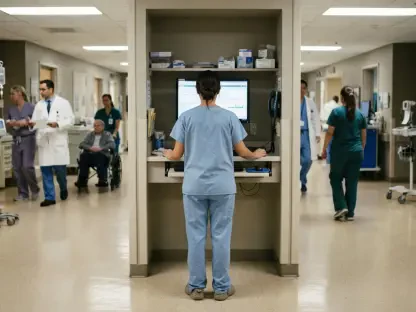

Nursing staff often experience data fatigue while sifting through endless heart rhythm reports, necessitating the integration of AI to filter for actionable clinical insights. This reality underscores the vital importance of human-centered design (HCD), a philosophy that Medtronic has placed at the core of its innovation strategy to ensure that medical technology serves the people who use it. By prioritizing the lived experiences of patients, the grueling routines of clinicians, and the emotional complexities faced by caregivers, the company moves beyond traditional engineering to foster a more empathetic approach to healthcare development. The primary objective is to create tools that are not only medically effective but also intuitive and unobtrusive, effectively minimizing the friction between human biology and digital intervention. Through deep observation and a commitment to understanding the “why” behind user interactions, Medtronic seeks to transform the medical landscape into one where technology supports healing without imposing unnecessary stress or complexity on the individuals involved.
Patient Centricity: Prioritizing People Over Medical Products
A fundamental transformation in the medical device industry involves transitioning from a product-centric development model to a people-first mindset. This evolution requires designers to look far beyond the mechanical specifications of a device and instead investigate the profound emotional and physical weight that treatments impose on a patient. When a medical condition requires constant management, the associated technology can often become a source of social anxiety or a persistent reminder of illness. Human-centered design addresses this by striving to make devices less visible and significantly easier to operate, which allows patients to reclaim a sense of normalcy and personal identity. By reducing the visibility of chronic illness through smarter engineering, the focus shifts back to the person’s life rather than their diagnosis. This strategy ensures that innovation honors the human spirit by prioritizing dignity and ease of use alongside clinical efficacy, making modern treatments feel more like an integrated part of life than a burden.
This design focus extends naturally to the healthcare professionals who navigate high-pressure clinical environments daily. By conducting ethnographic studies of the workflows in hospitals and clinics, designers can pinpoint specific points of friction that contribute to practitioner burnout and medical errors. Whether it is a poorly placed button on a surgical console or a software interface that requires too many clicks to navigate, these minor frustrations accumulate into significant cognitive burdens. Improving these interactions through intentional ergonomic design and streamlined software ensures that doctors and nurses can dedicate their full attention to patient care rather than struggling with cumbersome equipment. The integration of technology should ideally feel like a natural extension of the clinician’s expertise, providing support without demanding excessive mental energy. Ultimately, by simplifying the technical aspects of medical practice, human-centered design empowers healthcare providers to operate at the top of their licenses while maintaining a higher standard of focus and emotional presence with those they treat.
Discreet Engineering: Creating Solutions for Real Life
The practical application of this empathetic engineering is vividly demonstrated in the development of the Altaviva™ bladder control system. For many individuals, urge urinary incontinence is not just a physical ailment but a significant social barrier that leads to withdrawal and a loss of confidence. Recognizing the stigma associated with this condition, designers created an implant roughly the size of a flash drive that can be placed near the ankle during a simple outpatient procedure. This discreet approach allows patients to manage their symptoms without the need for invasive abdominal surgery or visible external equipment. By making the technology small and easy to incorporate into a person’s existing routine, the design team effectively removed the “patient” label from the user’s daily identity. Patients are able to return to their normal responsibilities, such as driving or caring for grandchildren, almost immediately after the procedure. This focus on discretion ensures that the therapy remains a silent partner in the patient’s health journey rather than a central, disruptive feature.
In a similar vein, the Micra™ leadless pacemaker represents a monumental leap forward in both psychological and physical medical design. Traditional pacemakers typically require leads or wires to be threaded through veins and often leave a visible scar or a distinct bulge on the chest wall. These physical markers serve as constant, unavoidable reminders of a serious heart condition, which can weigh heavily on a patient’s mental well-being. By miniaturizing the technology to a degree that it can be implanted directly into the heart chamber, designers eliminated the need for leads and the external physical evidence of the device. This “invisibility” is a core tenet of human-centered design, aiming to provide essential therapy while preserving the patient’s body image and sense of self. The removal of the visual stigma associated with heart devices allows individuals to live more freely, untethered by the psychological burden of a visible implant. This innovation proves that the most effective medical tools are those that provide life-saving intervention while simultaneously respecting the user’s desire for privacy and physical integrity.
Operational Excellence: Enhancing Clinical Efficiency and Precision
Modern healthcare environments are characterized by an overwhelming influx of digital information, which frequently leads to a phenomenon known as alarm fatigue among monitoring staff. To combat this, Medtronic has implemented advanced AI algorithms, such as those found in the AccuRhythm™ system, which are specifically designed to filter out false alerts and highlight only the most critical clinical data. This shift toward “actionable data” over “maximum data” is a direct result of observing the daily struggles of nurses who must interpret vast amounts of heart rhythm information. By reducing the noise and focusing on high-quality insights, the technology respects the clinician’s limited time and cognitive resources, leading to faster decision-making and more accurate patient management. This approach ensures that the digital tools provided to medical teams are assets rather than distractions. When technology handles the heavy lifting of data triage, it allows human providers to focus on the nuances of patient interaction and complex clinical judgment, thereby improving overall safety.
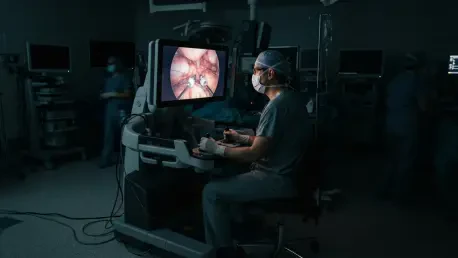
The Hugo™ robotic-assisted surgery system further illustrates how human factors engineering can revolutionize the high-stakes environment of the operating room. Designers recognized that surgeons come in all physical builds, meaning a one-size-fits-all approach to robotic consoles is fundamentally flawed and can lead to physical strain during long procedures. Consequently, the Hugo™ system was developed to be highly adjustable and ergonomic, accommodating diverse heights and reaches to ensure maximum comfort for the surgical team. By meticulously analyzing the “choreography” of the operating room—how people and equipment move together—the design team ensured that the robot enhances rather than hinders the flow of the procedure. Intuitive controls and clear sensory feedback loops were integrated to lower the cognitive load on the surgeon, allowing them to maintain peak concentration on the patient’s anatomy. This commitment to the physical and mental needs of the operator ensures that the technology serves as a precision instrument that amplifies human skill, ultimately leading to more consistent surgical outcomes.
Systemic Empathy: Implementing Insights in Surgical Design
These innovations collectively demonstrate that empathy is far more than a soft skill; it is a functional and essential tool within the engineering and design process. When medical technology is built around the actual behaviors and physiological realities of human beings rather than theoretical laboratory models, it becomes inherently more intuitive. This reduction in complexity lowers the barrier to entry for new users and significantly decreases the time required for training, which in turn reduces the potential for user error in critical moments. By actively observing people in their real-world environments—at home, in the clinic, or in the surgical suite—designers can identify hidden challenges that would never be captured in a standardized survey. This boots-on-the-ground research leads to the development of solutions that empower both patients and clinicians, transforming medical devices into silent but effective partners in the healing process. The ultimate goal is to bridge the gap between advanced technical capabilities and the daily human experience.
The transition toward a human-centered framework in 2026 established a new benchmark for how medical technology companies approached the development of life-saving interventions. By prioritizing empathy over pure technical complexity, the industry moved away from isolated product releases and toward integrated healthcare experiences that respected the dignity of every user. Stakeholders across the medical landscape recognized that the most successful devices were those that disappeared into the background of a patient’s life while providing robust clinical support. Moving forward, developers considered it essential to maintain a continuous feedback loop with diverse user populations to prevent the onset of design stagnation. This historical shift ensured that engineering efforts remained grounded in the actual needs of the bedside and the operating table. The lessons learned from this era suggested that future progress would depend on the ability to harmonize sophisticated artificial intelligence with the fundamental needs of human biology. This approach fostered a culture of innovation where the measure of success was no longer the complexity of the code.