

Vulnerable legacy devices in healthcare settings may require total hardware replacement or rigorous recertification to meet emerging security standards. As these advanced capabilities move closer to mainstream reality, medical organizations must confront the fact that much of their encrypted
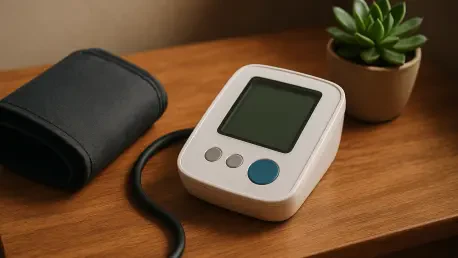
The challenge of managing hypertension in rapidly developing economies has historically been hampered by a reliance on expensive imported medical devices that often lack localized support or accessible price points. As healthcare systems globally pivot toward resilience and self-sufficiency, the

The agreement between the U.S. government and BD focuses on shielding critical medical industries from the volatility of international trade and tariffs. Global medical logistics once relied heavily on a sprawling, often fragile network of international suppliers, leaving the American healthcare

The Eastern Highlands Provincial Health Authority has pledged to provide medical equipment and staff only after witnessing the Ibusa community's significant upfront investment in their own facility. This decisive shift in strategy underscores a growing realization that top-down government

Managing the intricate packaging stages of auto-injectors and syringes requires a high degree of technical expertise and specialized assembly processes. At the CPHI 2026 trade fair in Milan, Faller Packaging is introducing a refreshed brand identity that aligns with these rigorous demands. This

Technical differences between capillary and venous blood, including risks of haemolysis and RNA degradation, remain the final hurdles before home self-collection can be fully integrated into clinical practice. This reality frames the recent findings from a pivotal study in Lusaka, Zambia, where