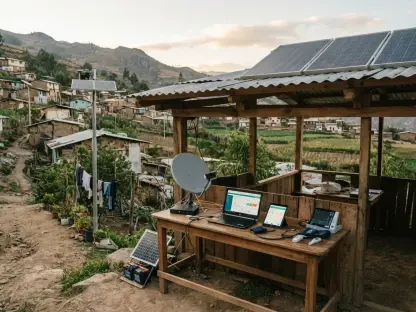

The TeleCare SmartHub functions as a one-stop medical solution by combining professional telecommunications technology with high-level clinical expertise. This integration represents a significant departure from traditional healthcare delivery models that relied on centralized hospital visits for even routine diagnostic procedures. By deploying these smart units directly into the heart of local communities, healthcare providers successfully dismantled the geographic barriers that previously prevented timely interventions. The current landscape of medical care focuses heavily on decentralization, ensuring that patients residing in suburban or rural pockets receive the same quality of attention as those in major metropolitan hubs. High-speed connectivity protocols, including widespread 5G and satellite networks, facilitate a seamless stream of encrypted data between the patient and the physician. This ensures that the diagnostic process is remarkably secure and keeps necessary clinical rigor for assessments.
Bridging the Distance: The Power of Integrated Telemetry
Establishing Reliable Connectivity in Underserved Areas
Maintaining a consistent and stable connection is the cornerstone of any remote medical operation, particularly when lives depend on the accuracy of real-time telemetry. The hardware within the TeleCare SmartHub is engineered to operate across diverse environmental conditions, utilizing multi-path communication technologies to prevent data loss during critical consultations. As regional authorities expand infrastructure from 2026 to 2029, the focus has shifted toward building redundancy into every local node, allowing the hub to switch between fiber optics and wireless signals instantaneously. This technical resilience is crucial for supporting high-definition video feeds and the simultaneous transmission of vital signs like electrocardiograms. Furthermore, the inclusion of dedicated hardware accelerators allows the hub to process local data before syncing with the cloud, which reduces the latency typically associated with remote monitoring services.
Enhancing Clinical Outcomes through Automated Diagnostics
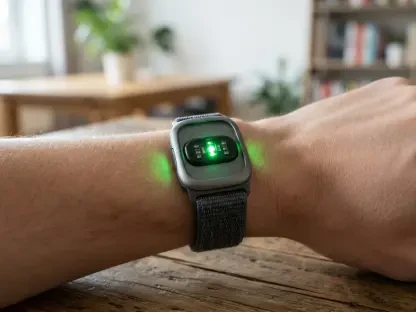
Beyond the technical specifications, the successful deployment of these systems relies heavily on the intuitive nature of the user interface, which must accommodate a diverse demographic range. Healthcare practitioners have noted that the simplified dashboard allows individuals with varying levels of digital literacy to engage with their personal health metrics without feeling overwhelmed by complex data sets. Training programs for local community facilitators have been standardized to ensure that on-site assistance is always available for those who require more hands-on guidance during their sessions. By prioritizing a patient-centric design, the system encourages regular check-ins and self-monitoring, which has historically been a challenge in remote management. This approach fosters a sense of agency among community members, turning a passive medical experience into an active partnership where data transparency builds trust between the provider and recipient.
Establishing Actionable Protocols for Future Scalability
The TeleCare SmartHub initiative demonstrated that decentralized medical solutions could significantly improve community outcomes when implemented with rigorous technical standards. In the recent period, the successful integration of these systems relied on a combination of robust hardware and comprehensive staff training programs that prepared providers for a digital-first environment. Organizations that adopted these hubs early discovered that the most effective next steps involved the establishment of clear data-sharing protocols and the continuous monitoring of patient feedback to refine user interfaces. By 2026, the transition toward distributed care networks had already begun to alleviate the burden on metropolitan hospitals. To sustain this progress, stakeholders were encouraged to focus on expanding high-speed infrastructure and ensuring that every segment of the population remained connected to the medical network. The past results proved that technology was a vital bridge to health equity.