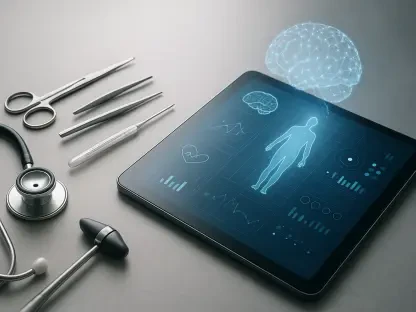

Real-time data capture for heart rate and oxygen saturation has become the primary clinical standard for identifying early signs of patient deterioration in domestic settings. This evolution represents a seismic shift in medical philosophy, as healthcare systems move away from centralized,

By leveraging its existing facilities in Puerto Rico, Utah, Texas, and Georgia, BD plans to drastically reduce the nation's reliance on foreign-sourced medical components. This landmark $19 billion strategic agreement represents a fundamental shift in how the United States manages its healthcare
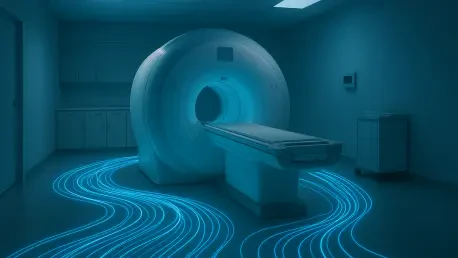
Vulnerable legacy devices in healthcare settings may require total hardware replacement or rigorous recertification to meet emerging security standards. As these advanced capabilities move closer to mainstream reality, medical organizations must confront the fact that much of their encrypted
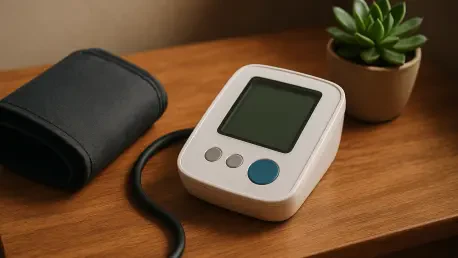
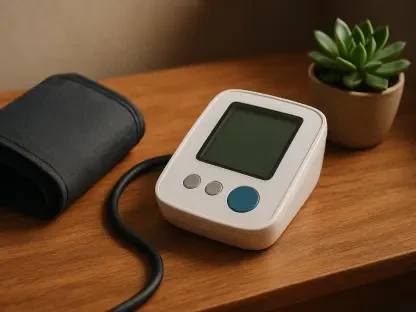
The challenge of managing hypertension in rapidly developing economies has historically been hampered by a reliance on expensive imported medical devices that often lack localized support or accessible price points. As healthcare systems globally pivot toward resilience and self-sufficiency, the

The agreement between the U.S. government and BD focuses on shielding critical medical industries from the volatility of international trade and tariffs. Global medical logistics once relied heavily on a sprawling, often fragile network of international suppliers, leaving the American healthcare
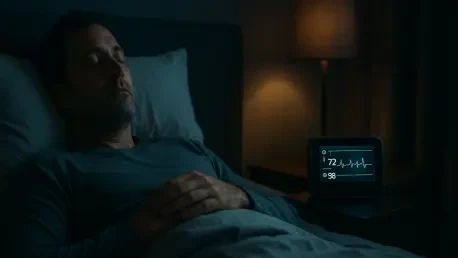
Transvenous phrenic nerve stimulation must prove its worth by demonstrating that it can break the cycle of oxygen desaturation and sympathetic nervous system activation. As the landscape of sleep medicine shifts toward more invasive yet automated solutions, the remedē System has emerged as a
1 2 3 4 5 6 7 8 9 10 11 12 13 14 15 16 17 18 19 20 21 22 23 24 25 26 27 28 29 30 31 32 33 34 35