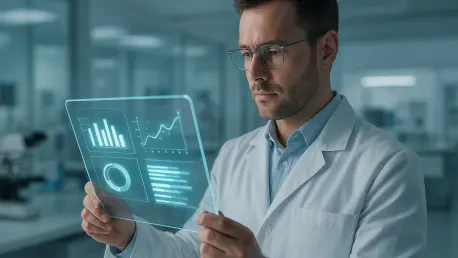
There is a prevailing debate regarding whether artificial intelligence makes data standards obsolete, yet evidence suggests that AI actually increases the value of human consensus. This realization comes at a time when the clinical research industry is navigating a structural crossroads, moving
Updating or patching specialized medical devices often requires complex configurations that prevent hospitals from quickly adopting new post-quantum cryptographic standards. This technical lag creates a profound vulnerability as quantum computers move from theoretical laboratory models into

Replacing a human coordinator with an automated system eliminates the critical safety net of intuition that protects vulnerable patients from falling through system gaps. As healthcare organizations navigate the complexities of 2026, the integration of advanced artificial intelligence into primary

Hospitals must now treat crypto-agility as a mandatory requirement for procurement to ensure that new medical devices can adapt to future security standards. As quantum computing advances, the foundational encryption that protects patient records is rapidly becoming vulnerable to sophisticated
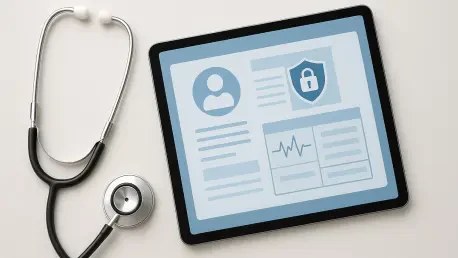
The modern American medical landscape has shifted from sterile brick-and-mortar clinics to the glass screens of smartphones, creating a multibillion-dollar industry built on the promise of instant access to care. While the user interface of a medical app may look simple, the underlying technology
The strategic move toward lifelong monitoring mirrors global trends seen in the United States, where regulators are exploring lifecycle-based oversight for healthcare software. This shift represents a departure from the traditional "set and forget" mentality that has historically governed medical
1 2 3 4 5 6 7 8 9 10 11 12 13 14 15 16 17 18 19 20 21 22 23 24 25 26 27 28 29 30 31 32 33 34 35 36 37 38 39 40 41 42 43 44 45 46 47 48 49 50 51 52 53 54 55 56 57 58 59 60 61 62 63