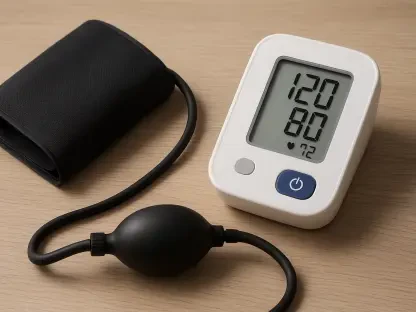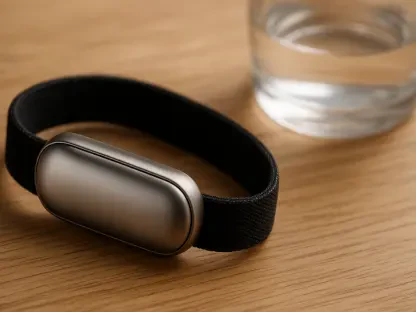

Real-time data capture for heart rate and oxygen saturation has become the primary clinical standard for identifying early signs of patient deterioration in domestic settings. This evolution represents a seismic shift in medical philosophy, as healthcare systems move away from centralized,

Research indicates that the transition from hospital to home-based rehabilitation does not significantly reduce the physiological risks associated with prolonged sedentary behavior. This realization challenges the core assumptions behind many modern recovery protocols designed for the elderly.

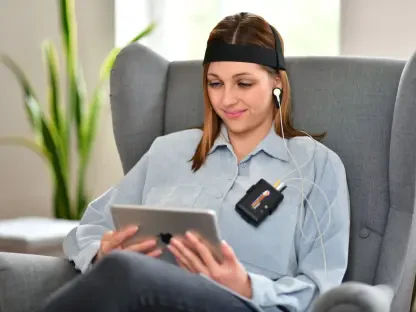
Precision prevention in pediatric care now relies on identifying specific physiological deficits in sleep before they manifest as chronic physical illnesses. For decades, the erratic sleep patterns of teenagers were dismissed as a simple social choice or a byproduct of developmental defiance.
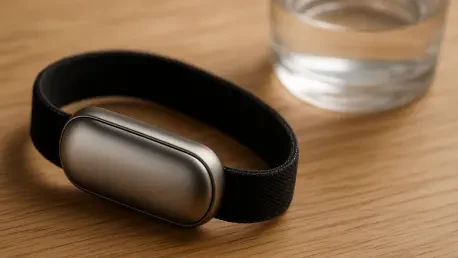
While the device excels at heart rate monitoring, the current connected GPS functionality shows a notable six-percent discrepancy in distance tracking compared to dedicated hardware. This specific challenge highlights the central tension within the modern fitness technology landscape: the balance
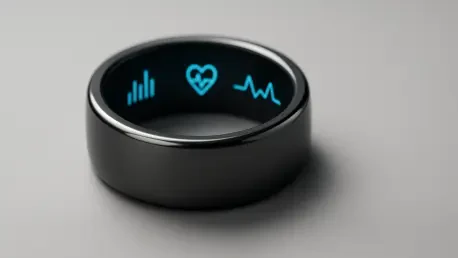
The research underscores a critical link between mental health status and the duration of light sleep stages, providing a tangible metric for psychological assessment. Utilizing data from a significant group of 1,290 participants within the Northern Finland Birth Cohort, researchers investigated
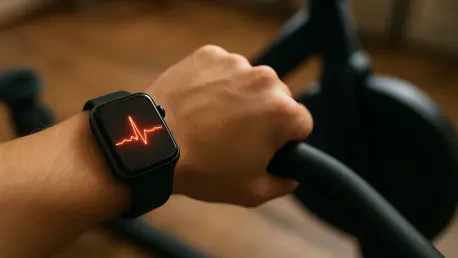
A detailed analysis of seven years of cycling logs and smartwatch data has uncovered a coordinated step-change in health metrics five months prior to a fatal cardiac event. This scientific journey began after the sudden passing of a 76-year-old researcher in March 2025, an individual whose