
The recent evaluation of Minnesota’s assisted living industry by the Office of the Legislative Auditor has exposed significant systemic vulnerabilities within the state’s regulatory framework. Since the implementation of the Elder Care and Vulnerable Adult Protection Act, the state has struggled to
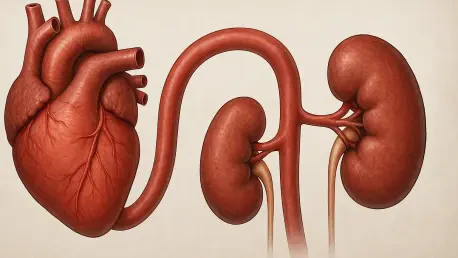
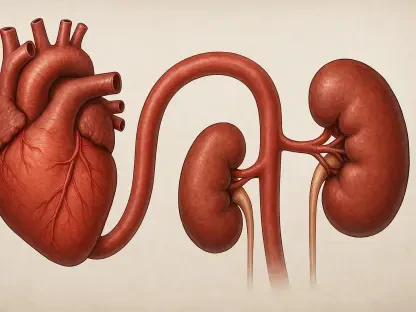
The physical layout of a home and the safety of the surrounding community are essential structural factors that either support or sabotage a patient's ability to manage syndrome complications. This clinical reality is particularly evident in the treatment of Cardiovascular-Kidney-Metabolic (CKM)
While Original Medicare benefits remain consistent across state lines, private components like Part D and Medicare Advantage plans are tied to specific regional service areas. Relocating to a new residence in 2026 often serves as a catalyst for a comprehensive review of one's healthcare

Diagnostic complexity increases in the abdominal region due to the high density of vital organs and the overlapping symptoms of various acute infections. This physiological reality often leaves individuals questioning whether a sudden onset of discomfort is merely a transient inconvenience or a

The 2027 Medicare landscape is defined by a tightening market that makes the traditional set-and-forget approach to plan selection a potential financial risk. This evolution stems from a multi-year trend where the variety of available coverage has drastically narrowed, forcing beneficiaries into a

Because osteoporosis and fractures are independent risk factors for cognitive decline, treating bone density may serve a dual purpose in protecting brain health. This revelation stems from recent medical research suggesting that the medications traditionally used to bolster skeletal strength might