

Bridging the Gap: Data Complexity and Medical Innovation The pharmaceutical and healthcare industries are currently navigating a monumental shift, moving away from fragmented data silos toward integrated, intelligent ecosystems that prioritize patient outcomes over administrative record-keeping. At

Chief Nurse Executive Michelle Watson is leveraging her forty years of clinical experience to lead a strategic shift toward artificial intelligence at Lifepoint Health. The healthcare landscape has long struggled with a paradox where technological advancements often resulted in increased
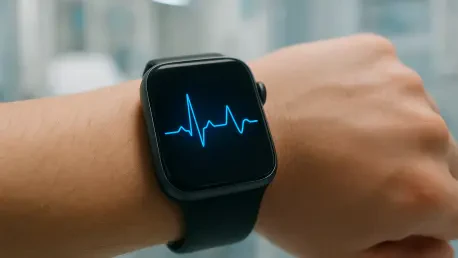
Context-aware security systems must determine if a sudden flood of network traffic is a cyberattack or a legitimate response to a patient's physical distress. This critical distinction is the cornerstone of patient safety in the increasingly connected world of the Internet of Medical Things (IoMT).

A person’s fierce determination to stay sober often crumbles not because of a weak character but because their physical body has become an inhospitable environment for resilience. For decades, the recovery community has operated on the assumption that substance use disorder is primarily a battle of

The pursuit of life-saving medicine has historically been a gamble of astronomical proportions, often requiring billions of dollars and over a decade of labor for a single successful outcome. As of 2026, the pharmaceutical landscape is undergoing a radical transition from this artisanal,

Market analysts identify the rise of artificial intelligence as the fastest-growing technology segment within the broader revenue cycle management ecosystem. This specific advancement is currently reshaping how medical facilities interact with insurance payers and patients alike, ensuring that