
Maintaining the delicate balance between high-level security and human rights within a correctional facility requires a constant evolution of administrative tools and surveillance technologies. Dickinson County Jail has embarked on a comprehensive overhaul of its internal infrastructure to address these modern complexities, moving away from legacy manual tracking methods toward an integrated digital environment. This initiative prioritizes the accurate identification of individuals entering and exiting the facility while simultaneously modernizing the delivery of medical services to ensure that every inmate receives timely and documented care. By implementing these high-tech solutions, the facility aims to reduce the likelihood of administrative errors that could lead to security breaches or medical negligence. The shift toward automated biometric verification and digital health records represents a significant investment in the safety of both the staff and the incarcerated population, setting a new benchmark for law enforcement operations in the region.
Integrating Biometric Verification for Enhanced Perimeter Control
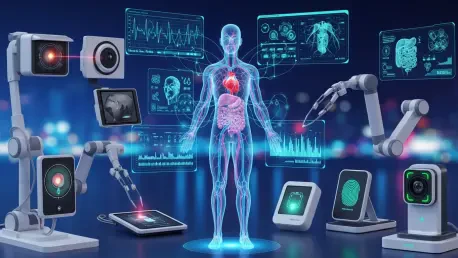
The cornerstone of this technological refresh involves the installation of state-of-the-art iris recognition scanners and high-definition digital fingerprinting stations. Unlike traditional ink-and-paper methods or older optical sensors, these new biometric systems offer a near-zero margin for error when processing individuals during the intake or release stages. Iris scanning technology identifies unique patterns in the colored ring around the pupil, which remains stable throughout a person’s life and is virtually impossible to forge or alter. This level of precision is critical for preventing instances of mistaken identity, where individuals with similar names or physical characteristics might otherwise be confused in a busy correctional setting. By automating the verification process, the facility ensures that every movement is logged with absolute certainty, creating a tamper-proof digital trail that enhances accountability. This infrastructure also allows for seamless data sharing with federal agencies, ensuring that any person booked is immediately screened against national databases.
Furthermore, the new biometric infrastructure is designed to interface directly with regional law enforcement networks, enabling real-time background checks and warrant verification. This connectivity ensures that any individual entering the Dickinson County Jail is immediately screened against updated records from other jurisdictions across the country. The integration of such technology drastically reduces the time required for administrative processing while improving the safety of the surrounding community by identifying high-risk individuals before they are housed within the general population. Beyond the booking room, these biometric checkpoints have been strategically placed at secure transit points within the building to restrict access to sensitive areas, such as the pharmacy or control centers. Only authorized personnel with validated biometric credentials can bypass these zones, effectively eliminating the risks associated with lost or stolen physical keys. This multi-layered approach to internal security fosters a more controlled and predictable environment for all residents and employees.
Optimizing Medical Care Through Digital Record Management
Parallel to the security upgrades, the facility transitioned to a sophisticated electronic health record system designed for the unique demands of a jail environment. This software platform allowed medical staff to track inmate health histories, chronic conditions, and medication schedules with unprecedented accuracy. In previous months, reliance on physical files often led to delays in care, but the new digital system mitigated these risks by providing a centralized repository for all medical data. To maintain this progress, administrators implemented a protocol for regular system audits and staff training updates. These steps ensured that the technology remained a tool for efficiency rather than a source of technical debt. Moving forward, facilities should prioritize the integration of mental health tracking modules within these digital systems to address the holistic needs of the population. By establishing a robust data governance framework and adopting scalable identification protocols, the jail secured its operational future and enhanced safety.
Law enforcement agencies sought to improve long-term outcomes by ensuring that these digital medical records remained accessible to community health partners upon an inmate’s release. Officials recognized that continuity of care was vital for reducing recidivism and supporting successful reentry into society. To maximize the impact of these systems, administrators established a dedicated technical support team to provide ongoing training for all correctional officers and medical personnel. It became clear that the hardware alone could not solve complex administrative challenges without a workforce fully proficient in data management and privacy protocols. Moving forward, other jurisdictions looked to this model as a blueprint for modernizing their own facilities by prioritizing interoperability between security and medical platforms. Leaders recommended conducting quarterly audits of biometric accuracy and software performance to prevent technical decay. By investing in scalable infrastructure and rigorous staff education, the facility transformed its operational capacity.