
The global medical technology landscape has reached a pivotal juncture where the demand for rapid innovation often clashes with the stringent safety requirements of international regulatory bodies. As engineering teams struggle to bridge the gap between conceptual design and market-ready products, the introduction of AnaTel by Tata Elxsi represents a significant shift toward AI-native development frameworks. This platform is not merely an incremental update to existing suites but a comprehensive reimagining of how MedTech solutions are conceived, designed, and tested in a data-driven ecosystem. By embedding artificial intelligence into the core architecture of the development process, AnaTel allows for a level of predictive modeling and automated verification that was previously unattainable through traditional methodologies. This approach effectively addresses the bottlenecks inherent in software-driven medical devices, offering a scalable solution that integrates seamlessly with existing workflows while providing the necessary guardrails for patient safety.
Streamlining Development With Artificial Intelligence Integration
The traditional approach to medical device development frequently relies on a sequential design process where digital intelligence is often integrated as a secondary layer after the hardware specifications are finalized. AnaTel disrupts this outdated paradigm by establishing an AI-native foundation that influences every stage of the product lifecycle, from initial requirement gathering to post-market surveillance. By utilizing generative design tools and advanced machine learning algorithms, engineers can now simulate thousands of operational scenarios before a physical prototype is even manufactured. This capability reduces the reliance on costly physical testing iterations and allows for the early identification of potential failure modes. Furthermore, the platform utilizes sophisticated data pipelines to ensure that any AI models integrated into the medical devices are robust, explainable, and free from the biases that often plague generic machine learning applications. This focus on “by-design” intelligence ensures safety.
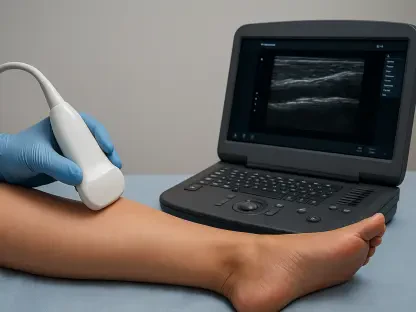
Specific applications of this technology are already transforming key sectors such as diagnostic imaging and surgical robotics where precision and low latency are non-negotiable requirements. For instance, AnaTel provides specialized modules that accelerate the training of neural networks for real-time image analysis, allowing diagnostic tools to identify anomalies with greater accuracy and speed. In the realm of surgical robotics, the platform facilitates the development of low-latency control systems that can adapt to the unique physiological responses of individual patients during procedures. By providing a unified environment for software and hardware co-design, the platform eliminates the silos that typically exist between different engineering disciplines. This holistic integration is essential for creating the next generation of smart medical devices that are capable of autonomous decision-making while remaining under the full control of healthcare professionals. This results in a cohesive development environment.
Improving Regulatory Compliance and Future Strategic Success
One of the most persistent challenges in the MedTech industry is the complex web of regulatory requirements that vary significantly across different global markets and jurisdictions. AnaTel addresses this burden by automating the creation of technical documentation and traceability matrices that are essential for obtaining certifications such as the European Union’s Medical Device Regulation or FDA approvals. The platform’s automated compliance engine continuously monitors the design process against a database of international standards, flagging potential deviations in real-time. This proactive monitoring ensures that quality assurance is not an afterthought but a continuous thread throughout the development cycle. By reducing the administrative overhead associated with regulatory filing, engineering teams can refocus their energy on core innovation and clinical efficacy. Moreover, the platform provides a centralized repository for all validation and verification data, creating a transparent audit trail for inspectors and stakeholders.
The deployment of AnaTel provided a clear blueprint for how technology firms successfully navigated the increasing complexity of software-defined medical ecosystems throughout the mid-2020s. By prioritizing a data-first philosophy, organizations moved beyond simple automation toward a state of intelligent orchestration that balanced rapid iteration with the highest standards of clinical safety. Forward-looking manufacturers recognized that the transition to AI-native platforms was not just an efficiency play but a strategic necessity to maintain competitiveness in a market that favored speed and reliability. Stakeholders who integrated these frameworks into their operational models found that they were better positioned to handle the evolving requirements of patient-centric care and remote monitoring. Moving forward, the focus shifted toward expanding these AI capabilities into personalized medicine, ensuring that every device contributed to a larger healthcare network. Adopting these tools represented the final move toward a specialized MedTech future.