
The Food and Drug Administration has launched a public inquiry to determine how generative artificial intelligence, which creates open-ended outputs, can be safely integrated into clinical software. As medical facilities across the United States rapidly adopt these sophisticated tools for

The Department of Health’s strategic framework is built upon four pillars including prevention, world-class quality of care, innovation, and strengthened preparedness to ensure long-term systemic resilience. This paradigm shift represents a move toward a proactive, precision-based system that

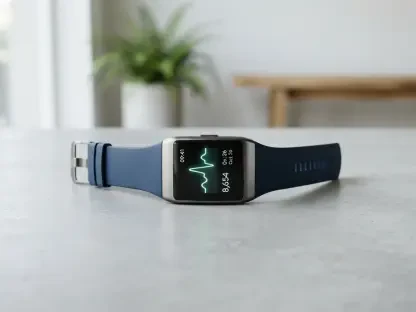
A wearable cardiac sensor represents only the entry point of a data pipeline where generative AI models synthesize raw readings into clinical assessments. In the current medical landscape, the definition of a medical device has undergone a profound transformation, moving from physical, isolated

Mixed pathology, where a patient harbors multiple types of protein aggregates simultaneously, often leads to a diagnostic odyssey that delays critical medical intervention. This complexity arises because different neurodegenerative diseases frequently share overlapping symptoms, making it nearly

Pfizer’s torcetrapib serves as a stark reminder that hitting a specific biological target and improving biomarkers does not always translate into positive clinical outcomes for patients. This cautionary tale looms larger than ever in the current landscape, where the pharmaceutical industry finds

The tragedy involving the Clancy family underscores a desperate need for a more proactive and nuanced approach to identifying mothers at high risk for psychosis. In the clinical landscape of 2026, healthcare providers are increasingly confronted with the reality that standard screening protocols