
The landscape of oncology is undergoing a seismic shift as healthcare providers move away from the traditional model that forced patients to travel hundreds of miles to urban academic centers for life-saving treatment. OhioHealth is currently leading this transition by implementing a comprehensive multi-year roadmap designed to deliver sophisticated cancer care directly to the neighborhoods where patients live and work. Under the clinical guidance of Dr. George Simon, the organization is bridging the historical divide between high-tech academic medicine and the accessibility of community-based healthcare. This strategic initiative prioritizes the elimination of the logistical burdens and emotional stressors that often accompany a cancer diagnosis, such as long commutes and time away from personal support systems. By focusing on localized accessibility, the system ensures that medical expertise is no longer restricted to a centralized hub but is instead woven into the fabric of the patient’s environment.
Clinical Integration: Accelerating Diagnosis and Non-Invasive Technology
Streamlining the timeline between the first detection of a suspicious mass and the initiation of a formal treatment plan represents a critical pillar of this modern approach to oncology. The Rapid Cancer Diagnostic Clinic was established to address the period of extreme anxiety that many patients experience while waiting for definitive answers regarding their health status. By consolidating the staging process and diagnostic testing into a singular pathway, clinical teams can identify the specific nature of a malignancy much faster than traditional methods allowed. This accelerated pace not only alleviates the psychological burden on the patient but also allows for earlier intervention, which is frequently the deciding factor in long-term survival rates. Furthermore, the shift toward virtual palliative care ensures that quality-of-life management is integrated into the patient’s daily routine, allowing social workers and nutritionists to provide support without the patient needing to travel.
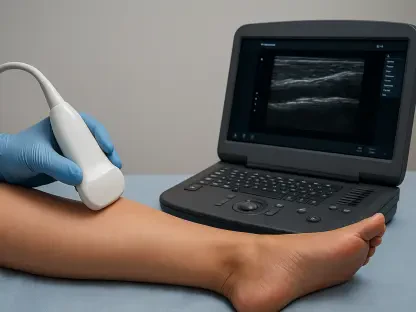
Efforts to reduce the physical trauma associated with therapy have led to significant investments in “scarless” surgical alternatives and acoustic energy technologies like histotripsy. This innovative modality utilizes high-intensity focused ultrasound to create micro-bubbles that mechanically destroy tumor tissue without the need for incisions or ionizing radiation. For patients, this means a drastic reduction in recovery time and a lower risk of post-operative complications, enabling them to return to their normal lives almost immediately. Complementing these surgical advancements is the integration of Artificial Intelligence, which assists physicians by providing data-driven insights to improve clinical decision-making. AI-driven algorithms analyze vast amounts of data to predict how specific tumors might respond to different drugs, while also reducing the administrative friction for medical staff. This combination of precision technology and digital intelligence creates a more efficient and effective care environment.
Strategic Infrastructure: Coordinated Delivery and Research Foundations
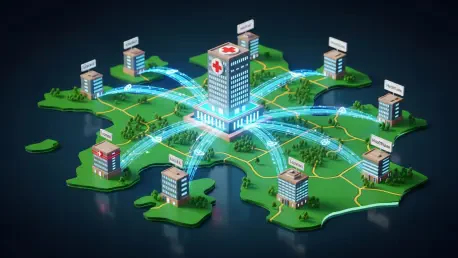
Maintaining a high standard of care across a diverse network of community clinics requires a sophisticated “hub-and-spoke” model that balances local convenience with specialized expertise. Centralized hubs in Columbus serve as the primary locations for highly complex interventions, such as CAR-T cell therapy and targeted immune-based medicines, which require specialized monitoring. However, the majority of pre-treatment and follow-up care is handled at local clinics, ensuring that patients only travel to the urban center when absolutely necessary. This structure is supported by a seamless digital infrastructure that uses a single medical record system to ensure a patient’s data follows them instantly between facilities. Local doctors can collaborate with sub-specialized experts via virtual platforms, providing a high level of coordinated care that maintains the convenience of the patient’s local community while ensuring that the most advanced medical insights are always accessible.
Expanding research capabilities through Phase I clinical trials allowed the system to offer experimental therapies to patients long before they reached the general market. This growth in clinical research ensured that individuals who had exhausted standard treatment options could access tomorrow’s medicine while staying close to their families. To support these technological and research advancements, the organization prioritized the development of physical infrastructure, including a flagship cancer center scheduled to open in late 2028. This facility was designed to integrate all aspects of the oncology journey, from genetic counseling to advanced surgical suites, within a patient-centric environment. Stakeholders identified that future success in oncology depended on the ability to merge data analytics with personalized genomic profiles to tailor specific therapies. This transition necessitated a focus on continuous staff education and the ethical integration of diagnostic algorithms. The center served as a blueprint for community-integrated medicine, emphasizing that long-term survival outcomes improved when specialized expertise was decentralized and made culturally relevant to local populations.