Proponents of medical AI argue that the technology will eventually unlock new dimensions of perception, such as seeing abnormalities invisible to the human eye. This optimistic view is currently fueling a fundamental reorganization of how the United States federal government approaches healthcare

Data from the Centers for Disease Control and Prevention indicates that approximately one in eight women report symptoms of postpartum depression after childbirth. This statistic represents a profound systemic failure in modern medicine where the identification of risk does not always translate
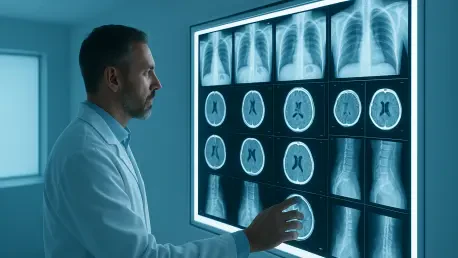
When a machine interprets a patient’s life-altering medical scan, the silent question echoing through the halls of modern hospitals is no longer whether the technology works, but rather who is actually watching the watcher. This fundamental uncertainty has prompted the Food and Drug Administration
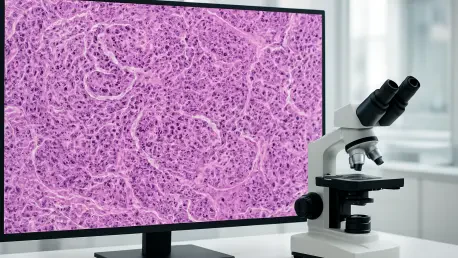
Michigan Medicine’s integration demonstrates that clinical data becomes research-grade when stored in standardized DICOM formats within a vendor-neutral archive. This landmark achievement has set a new standard for medical informatics in the United States, proving that digital pathology is no

Daily tracking of student emotional states shows that anxiety regarding machine replacement acts as a new stressor class in an already high-pressure curriculum. The contemporary healthcare landscape has shifted the conversation from speculative risks to immediate clinical concerns as medical and

Inconsistent record-keeping across global hospital systems results in poor data quality that directly degrades the performance and reliability of diagnostic algorithms. This fundamental reality creates a stark divide between the pristine conditions of a research laboratory and the chaotic,