
The global healthcare landscape is currently undergoing a profound transformation as the initial apprehension surrounding full automation gives way to a more nuanced and collaborative model known as augmented intelligence. This paradigm shift suggests that the long-term success of medical systems relies less on replacing personnel and more on the seamless integration of computational power with the irreplaceable qualities of human empathy and clinical intuition. Rather than viewing advanced algorithms as a threat to job security, industry leaders and frontline clinicians are increasingly recognizing these tools as indispensable partners capable of handling the cognitive heavy lifting of modern medicine. This symbiotic relationship allows for a more focused approach to patient care, where the precision of data-driven insights meets the nuanced understanding of a trained professional. By prioritizing this cooperative framework, the industry aims to overcome chronic staffing shortages while simultaneously elevating the standard of medical care across all sectors.
Redefining the Roles of Healthcare Providers
The emergence of augmented intelligence has sparked a fundamental re-evaluation of how medical professionals define their contributions to the healing process in an increasingly digital world. Experts suggest that the medical workforce is no longer divided by traditional specialties alone but by the degree to which practitioners successfully integrate algorithmic support into their daily clinical routines. This transition is not merely about technical proficiency; it represents a cultural shift where the clinician acts as a high-level overseer of complex data streams. By delegating the analysis of massive datasets to specialized software, providers can reclaim the time necessary to engage in deep diagnostic thinking and comprehensive patient advocacy. This evolution ensures that the medical profession remains centered on the human element while utilizing technology to sharpen the accuracy of every intervention. As this synergy matures, the focus moves from basic service delivery to the optimization of long-term health outcomes for entire populations.
Empowering the Workforce Through Technological Synergy
One of the primary benefits of this technological integration is the significant reduction in professional fatigue by automating the data-heavy and repetitive tasks that historically plagued the sector. Leaders emphasize that the utility of augmented systems lies in their ability to absorb administrative burdens, such as extracting pertinent details from electronic health records or managing complex scheduling logistics. By streamlining these routine processes, the technology frees the workforce to engage in higher-level judgment and meaningful personal interaction with those under their care. This evolution transitions the role of the healthcare worker from a data entry specialist to a strategic decision-maker who uses refined algorithmic outputs to inform nuanced treatment plans. Consequently, medical teams are becoming more resilient, focusing their limited energy on the creative and empathetic aspects of medicine that automated systems cannot replicate. This shift is essential for maintaining a sustainable and motivated workforce.
Navigating the Evolving Doctor-Patient Relationship
As digital health literacy continues to expand, patients are frequently utilizing sophisticated diagnostic applications and personalized nutrition planners before they even step into a medical facility. This proactive behavior necessitates a fundamental shift in the provider-patient dynamic, transforming clinicians into essential mediators who must interpret and validate these self-generated digital insights. Doctors are now tasked with educating patients on the inherent limitations of consumer-grade algorithms, such as potential inaccuracies in wearable sensor data or the narrow focus of symptomatic chatbots. Maintaining trust in this environment requires a high degree of transparency and a renewed emphasis on the personal connection to ensure technology serves as a bridge rather than a barrier. Providers must navigate the complexities of these digital results while providing the emotional context and holistic oversight that an algorithm lacks. This dynamic reinforces the status of the medical professional as a guide through a complicated world.
Boosting Operational Efficiency and Global Access
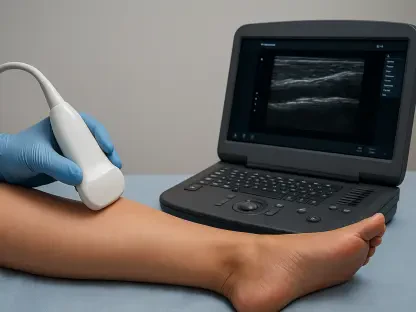
The practical application of augmented intelligence is already demonstrating a remarkable capacity to minimize systemic bottlenecks and significantly improve the speed of care delivery across the globe. By optimizing clinical workflows and administrative protocols, these technologies allow facilities to operate with a level of precision that was previously unattainable in high-volume environments. For example, in the field of diagnostic imaging, software now automatically compensates for minor patient movements, which eliminates the need for time-consuming re-scans and increases daily throughput. On the administrative side, automated fraud detection and verification protocols identify discrepancies with unprecedented speed, allowing vital funds to be redirected toward frontline services. This operational efficiency is particularly vital in public health systems where budget constraints and staffing shortages often lead to significant delays in treatment and diagnosis. This balance of speed and care is the cornerstone of a modern infrastructure.
Ensuring Equity Through Inclusive and Offline Solutions
To prevent a digital divide, the development of healthcare technology must prioritize geographic and social accessibility, particularly through innovations like offline diagnostic support systems. These tools are designed to function in remote regions without a constant internet connection, ensuring that health workers in rural outposts have access to the same expertise as those in urban centers. Furthermore, using local and diverse datasets ensures that algorithms are culturally and biologically relevant to the specific populations they serve, fostering true democratization of care. Relying on inclusive data prevents the perpetuation of biases and ensures that diagnostic tools are accurate for patients across different genetic and environmental contexts. By decentralizing the power of high-level computation, these solutions empower local communities to manage their health challenges with confidence and precision. This approach directly addresses systemic inequities and ensures that progress benefits all individuals globally.
Strategic Steps Toward Integrated Health Systems
The evolution toward an augmented model of care required a fundamental realignment of both technical priorities and professional mindsets across the entire global health sector. Stakeholders recognized that the successful integration of these tools depended on the proactive development of comprehensive training programs and the establishment of clear ethical guidelines. Organizations that prioritized data standardization and human oversight found themselves better positioned to harness the benefits of algorithmic precision without sacrificing the trust of the public. Moving forward, the focus shifted toward fostering a culture of continuous learning and rigorous validation to ensure that technological advancements remained inclusive and equitable. By addressing systemic bottlenecks through targeted applications of intelligence, the medical community established a more sustainable and resilient framework for service delivery. These deliberate actions ensured that the integration of technology enhanced the human connection at the heart of care.