The transformation of modern healthcare often hinges on the ability of local governments to provide the essential capital required to navigate the perilous journey from laboratory discovery to clinical application. In New South Wales, this bridge between high-level research and commercial success
The landscape of clinical technology has shifted dramatically as artificial intelligence transitions from mastering standardized medical board exams to navigating the chaotic environment of a live emergency department. For years, the industry relied on curated, multiple-choice datasets to measure

The sheer volume of medical imaging data generated within modern hospitals has outpaced human capacity to review it with absolute precision, creating a dangerous bottleneck in emergency departments across the country. As clinicians face a relentless stream of complex scans, the risk of missing
Geographic isolation frequently dictates the standard of medical care received by patients in small-town clinics where specialized equipment and neurosurgical expertise are often hundreds of miles away. This persistent technological divide between urban tertiary centers and geographically isolated
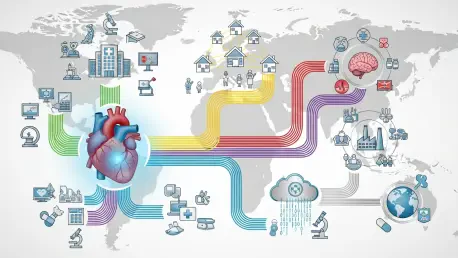
The administrative friction inherent in traditional healthcare systems often forces patients into a state of suspended animation while they wait for essential medical approvals for critical procedures. Statistics indicate that administrative delays remain a primary obstacle to timely care,
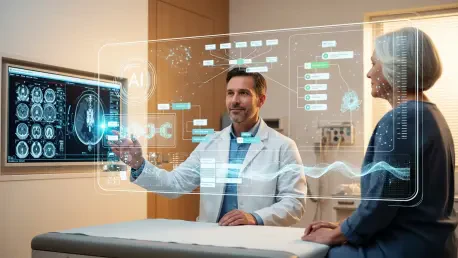
The landscape of medical technology underwent a significant shift as artificial intelligence moved beyond basic diagnostic assistance toward becoming a sophisticated participant in complex clinical decision-making. While the ability of machine learning to identify specific pathologies from medical