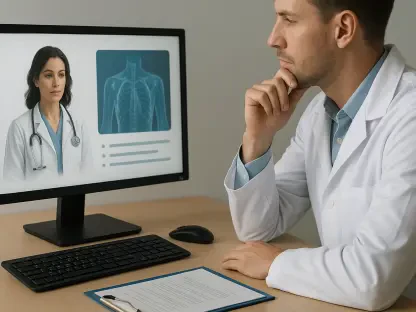

The modern healthcare landscape is currently struggling with a deep-seated administrative crisis where data acts as both a vital asset for patient outcomes and a crushing weight on the daily operations of medical facilities. Automation serves as a vital link that bridges the gaps between siloed
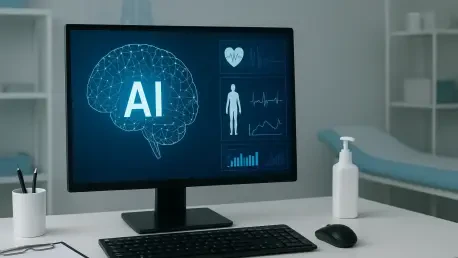
The SFDA’s rigorous review of technical files for AI software establishes a high international standard for any medical device seeking to enter the Saudi market. This development signals a profound shift in the healthcare strategy of the Kingdom, moving away from a traditional reliance on imported

The transition from a sterile examination room to the complex reality of self-managed recovery often leaves patients grappling with a profound sense of abandonment. While a physician might spend fifteen minutes providing a diagnosis, the patient spends the following months navigating insurance

Bridging the Gap: Data Complexity and Medical Innovation The pharmaceutical and healthcare industries are currently navigating a monumental shift, moving away from fragmented data silos toward integrated, intelligent ecosystems that prioritize patient outcomes over administrative record-keeping. At

Chief Nurse Executive Michelle Watson is leveraging her forty years of clinical experience to lead a strategic shift toward artificial intelligence at Lifepoint Health. The healthcare landscape has long struggled with a paradox where technological advancements often resulted in increased

Context-aware security systems must determine if a sudden flood of network traffic is a cyberattack or a legitimate response to a patient's physical distress. This critical distinction is the cornerstone of patient safety in the increasingly connected world of the Internet of Medical Things (IoMT).