
Leadership at Akido views artificial intelligence as a mechanism to automate data-heavy tasks, thereby allowing clinicians to prioritize human judgment and empathy during treatment. For years, the promise of digital transformation in medicine seemed to move practitioners further away from their
Clinical validation data shows that AI can effectively summarize visit histories and identify unresolved medical issues for preparing upcoming appointments. This breakthrough signifies a major pivot for OpenAI as it shifts from general-purpose generative models to highly specialized tools designed

By mislabeling patients who develop symptoms shortly after their appointment, researchers risk presenting a sanitized and inaccurate view of medical efficacy. For decades, the seasonal flu shot has been heralded as the primary defense against respiratory illness, yet a growing body of evidence

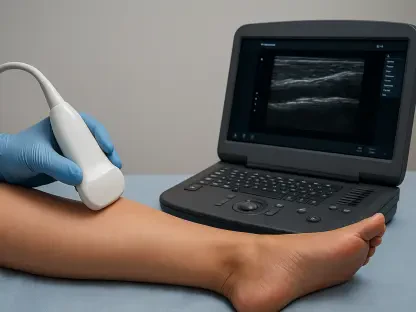
Experts maintain that there is no shortcut to algorithmic accuracy and that the only viable solution is the rigorous integration of diverse real-world clinical images. While the rapid expansion of machine learning has promised a new era of democratic healthcare, the reality in 2026 reveals a

The sudden lockout of a hospital's emergency database can mean the difference between life and death in a matter of minutes, turning a routine shift into a chaotic race against digital extortion. Maintaining the high availability of data for quality medical care necessitates a defense-in-depth

The integration of artificial intelligence serves as a necessary response to the increasing complexity of modern medicine and global shipping volatility. In the current landscape of 2026, pharmaceutical companies are rapidly abandoning the manual, paper-based procurement methods of previous years