
The global health landscape is shifting from reactive treatment to proactive autonomy as wearable technology evolves from simple step counters into sophisticated diagnostic instruments. This metamorphosis has turned everyday accessories into critical health hubs capable of providing deep insights into various physiological states. As we navigate the current landscape in 2026, the demand for high-fidelity medical data has never been higher, with users seeking more than just calorie counts or distance traveled. They require clinical-grade precision to manage chronic conditions and prevent health issues before they manifest as emergencies. Standing at the forefront of this technological shift is the Huawei Watch D3, a device specifically engineered to solve the complex puzzle of hypertension management. By integrating advanced medical hardware into a sleek consumer frame, this device bridges the gap between the doctor’s office and the home environment, offering a new standard for cardiovascular oversight.
The Global Health Burden: Evaluating Persistent Cardiovascular Challenges
Hypertension is frequently categorized as a silent killer because it serves as a primary contributor to cardiovascular disease and premature mortality, often progressing without obvious symptoms for years. While blood pressure management was traditionally viewed as a concern for the middle-aged or elderly, modern medical consensus suggests that arterial health is a lifelong trajectory that begins in early adulthood. Contemporary clinical data demonstrates that early intervention can significantly reduce the risk of debilitating events such as strokes and heart attacks later in life. However, the historical challenge for many individuals has been the snapshot nature of traditional readings, which are frequently taken in high-stress clinical settings. These readings can be influenced by temporary factors such as caffeine consumption, acute stress, or the anxiety associated with medical visits, leading to inaccurate diagnoses or missed warning signs that only appear during normal daily activities.
To combat these inherent limitations, the Watch D3 provides a proactive solution for all age groups, allowing for consistent monitoring outside of infrequent medical appointments. By shifting the focus from sporadic checks to continuous assessment, users gain a clearer understanding of how their lifestyle choices—ranging from dietary habits to sleep quality—impact their cardiovascular stability over time. This approach empowers people to take ownership of their health data, facilitating a partnership with medical professionals based on comprehensive evidence rather than isolated data points. In the current medical environment, having access to such granular information allows for more precise adjustments to medications or lifestyle interventions. This transition toward constant awareness represents a significant leap forward in preventative medicine, ensuring that subtle changes in blood pressure are identified and addressed long before they escalate into serious health crises.
Medical-Grade Accuracy: Innovative Engineering and the Airbag System
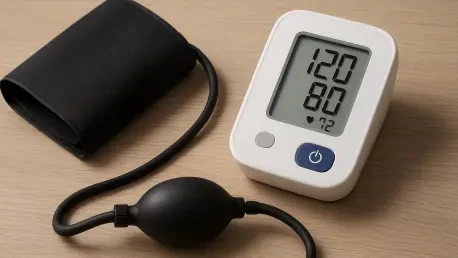
The Huawei Watch D3 distinguishes itself from a crowded market of wearables by utilizing a unique hardware configuration to ensure medical-grade accuracy for every reading. While many general-purpose smartwatches rely solely on optical sensors to estimate health metrics through light absorption, this device features a sophisticated wrist-mounted mechanical airbag integrated directly into the strap. This system effectively mimics the function of a traditional sphygmomanometer used in clinical settings, providing controlled and comfortable compression to the wrist to deliver meticulous measurements. This mechanical approach ensures that the resulting data is not a mere algorithmic estimate but a physical measurement of arterial pressure. By employing high-precision pressure sensors and a miniaturized pump, the device maintains a level of reliability that satisfies international standards for medical devices, making it a credible tool for those managing serious health conditions.
A pivotal feature of this device is its capacity for 24-hour Ambulatory Blood Pressure Monitoring, which tracks fluctuations during periods of rest, activity, and deep sleep. Because blood pressure is highly dynamic and reacts to physiological changes throughout the day, this continuous stream of data captures trends and anomalies that traditional clinic visits almost always miss. For instance, the watch can detect nocturnal hypertension, a condition where blood pressure remains high during sleep, which is a significant risk factor for cardiovascular complications. By providing a full circadian profile of the user’s blood pressure, the device offers a level of insight that was previously only available through bulky equipment rented from hospitals. These insights are synthesized into detailed, tailored reports that highlight peak periods and average readings, giving users a clear picture of their heart health in various contexts, whether they are under work-related stress or in a state of total relaxation.
Practical Application: Synergy Between Performance and Daily Utility
These complex data sets are managed within the Huawei Health app, a digital platform that has been recognized by medical professionals for its clarity and depth of analysis. The app acts as a bridge, translating raw measurements into actionable health insights and visual trends that are easy for non-experts to interpret. Crucially, the platform allows users to seamlessly share their comprehensive data logs with healthcare providers via digital exports, effectively closing the communication gap between consumer-led monitoring and professional medical intervention. This capability is particularly valuable during telehealth consultations, where a doctor can review weeks of continuous data to make more informed decisions about a patient’s care plan. By streamlining the way health information is collected and shared, the system fosters a more collaborative approach to wellness, where the patient provides the high-frequency data and the physician provides the expert analysis, leading to better clinical outcomes.
Beyond its clinical capabilities, the device functioned as a fully realized smartwatch designed for modern convenience and aesthetic appeal. It featured a sleek frame available in sophisticated tones like mocha gold and black, ensuring it complemented a variety of personal styles. With a six-day battery life and compatibility with both Android and iOS, it eliminated the constant need for charging that plagued many other high-end wearables. The inclusion of lifestyle features such as contactless payments and over 100 sporting modes ensured that the device remained useful in all aspects of life, not just for health tracking. Moving forward, the integration of such advanced diagnostics into everyday accessories suggested a path where chronic disease management was decentralized and highly personalized. Individuals were encouraged to view these tools as investments in their long-term vitality, using the gathered data to make informed lifestyle adjustments that preserved cardiovascular health.