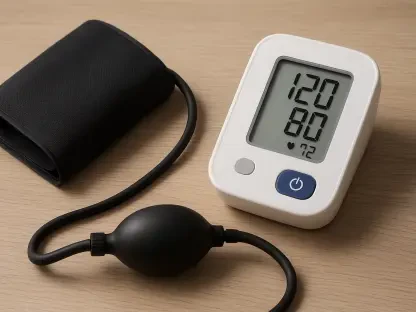

Wearable devices and smart medication dispensers are moving clinical oversight directly into the home to ensure pharmacological adherence and safety. As global life expectancy continues to climb, traditional nursing homes and residential care facilities are facing unprecedented difficulties in maintaining adequate staffing levels and securing sustainable funding. Consequently, a vast majority of older adults express a profound preference for remaining in their own residences, seeking to maintain their autonomy while avoiding the sterile atmosphere of institutionalized settings. The Internet of Things (IoT) provides a strategic pathway to realize this vision by converting conventional housing into intelligent, supportive environments that monitor well-being without constant human intervention. This fundamental shift not only addresses the logistical pressures on public healthcare systems but also honors the dignity of seniors. By integrating these systems, the healthcare industry moves from reactive crisis management toward a proactive model.
The Evolving Healthcare Landscape: Shifting Toward Domestic Care
The necessity of this technological transition is underscored by the increasing strain on national health budgets, where the costs of long-term residential care have become nearly unsustainable for many families and governments alike. Public discourse has increasingly centered on the creation of care frameworks that prioritize community-based assistance over large-scale facility expansion. By leveraging IoT as a cornerstone of these reforms, policymakers can address the shortage of professional caregivers by delegating routine monitoring tasks to automated systems. This does not replace human compassion but rather complements it, allowing social workers and nurses to focus their limited time on high-value interventions while the technology handles baseline observation. Modernizing the current housing stock through the installation of smart sensors and connectivity hubs creates a flexible infrastructure that accommodates the diverse needs of an ageing population without requiring massive capital expenditure.
Shifting the focus toward domestic care allows for the implementation of preventative healthcare strategies that were previously impossible outside of a hospital ward. When homes are equipped with diagnostic tools that communicate directly with medical professionals, the window for intervention expands significantly. For instance, subtle changes in a resident’s activity level or sleep patterns can be analyzed by machine learning algorithms to detect early warning signs of cognitive decline or physical deterioration. Instead of waiting for a catastrophic fall or a sudden medical emergency, caregivers receive alerts that allow them to adjust treatment plans or schedule home visits well in advance. This proactive approach drastically reduces the frequency of emergency room admissions and hospital stays, which are often traumatic for older individuals and costly for the state. By fostering an environment where health is monitored continuously and subtly, the technology preserves the user’s lifestyle.
Functional Tools for Safety: Integrating Smart Hardware
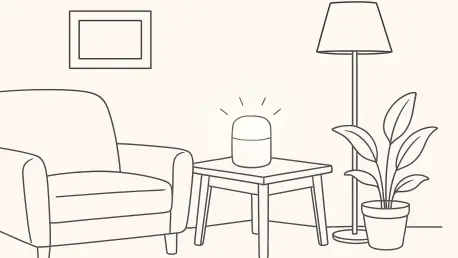
The transformation of a standard residence into a responsive environment is typically achieved through a phased implementation of hardware tailored to the specific needs of the inhabitant. Voice-activated command centers and smart speakers represent the primary interaction layer, offering an intuitive interface for individuals who may struggle with reduced manual dexterity or complex smartphone applications. These hubs allow users to manage their living space by adjusting climate controls, operating lighting systems, or initiating video calls with family members using only verbal cues. Beyond convenience, these devices serve as critical communication links in emergencies, enabling a resident to summon help even if they are unable to reach a traditional alarm button. By centralizing control, these systems reduce the physical toll of daily chores and provide a sense of agency that is often lost in conventional care settings. This layer of tech acts as a digital companion that empowers independence.
Perhaps the most vital component of a smart home for seniors is the deployment of passive environmental monitoring systems that operate without requiring any active input from the user. Discreet motion detectors and door sensors placed in high-traffic areas like the kitchen and bathroom can establish a baseline of normal daily behavior over time. When these sensors identify a significant deviation from the established routine, such as a refrigerator not being opened for an extended period or a sudden change in bathroom frequency, the system can automatically notify authorized family members or professional responders. Unlike invasive camera systems that can feel like a violation of privacy, these passive sensors maintain the resident’s anonymity while providing high-quality data on their safety and well-being. This technology effectively bridges the gap between total independence and constant supervision, offering peace of mind to relatives who may live far away but wish to ensure their loved ones are safe.
Achieving Dignity through Innovation: Next Steps for Adoption
The successful implementation of IoT solutions for ageing in place demonstrated that technology served as a powerful tool for preserving human dignity and independence. To move forward, stakeholders focused on the integration of these systems into standard building codes, ensuring that new residential developments were equipped with the necessary sensors and connectivity from the outset. Furthermore, healthcare providers shifted their reimbursement models to recognize remote monitoring as a valid and cost-effective form of clinical care, incentivizing families to adopt these technologies early. This transition required a collaborative effort between technologists, medical professionals, and urban planners to ensure that the domestic environment remained a place of comfort rather than a clinical annex. By prioritizing user experience and data privacy, the industry successfully moved toward a sustainable model that respected the preferences of the elderly. Ultimately, the focus remained on creating a future where technology fostered a supportive community.