
Integrated backup batteries are a critical feature for base units, ensuring that at-home emergency systems remain fully functional even during unexpected power outages. This technical safeguard represents just one facet of the complex decision-making process families face when navigating the modern landscape of personal safety technology. In 2026, the intersection of healthcare and consumer electronics has matured significantly, offering a range of solutions that move beyond simple panic buttons to become sophisticated hubs for independent living. The selection of a medical alert system is no longer merely a response to a recent health crisis but a proactive strategy designed to support a lifestyle where safety and autonomy coexist harmoniously. Effective evaluation requires a deep dive into both the hardware capabilities and the human experience, ensuring that the technology serves as a reliable silent partner rather than a burdensome reminder of vulnerability.
Establishing Quality Through Rigorous Testing
Methodology: A Dual-Pronged Evaluation Process
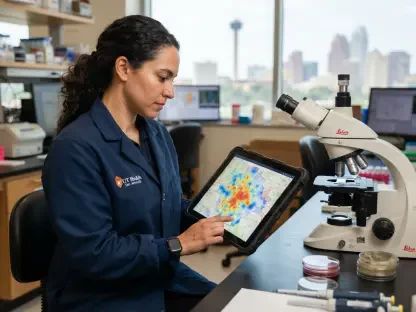
The evaluation of modern emergency response technology is grounded in a rigorous research framework that prioritizes both empirical data and subjective user experience. To ensure the findings are grounded in reality, researchers recruit a diverse group of primary users, specifically adults aged 60 and older, who interact with the devices in their own living environments. These participants provide invaluable qualitative feedback on aspects that technical specifications often overlook, such as the aesthetic appeal of a pendant, the comfort of a wristband during sleep, and the perceived friendliness of the emergency operators. This consumer-centric phase is critical because a device that is technically perfect but socially stigmatizing or physically uncomfortable will ultimately go unworn, rendering its features useless in a true emergency. By vetting the legitimacy of current market reviews and comparing them against actual tester experiences, a clearer picture of long-term reliability and manufacturer accountability emerges.
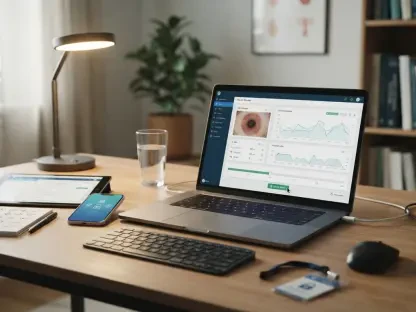
Complementing this qualitative feedback is a series of controlled laboratory tests designed to push the hardware to its functional limits. Technicians focus on objective performance metrics that can mean the difference between a swift intervention and a tragic delay. These benchmarks include the speed of call connections through various cellular and landline infrastructures, the precision of automatic fall detection algorithms, and the clarity of two-way audio components. Furthermore, the professionalism and training of the monitoring center staff are scrutinized through repeated test calls placed at different times of the day. This comprehensive approach ensures that the systems meet high standards for technical excellence and operational reliability. By combining these two distinct streams of data, the assessment provides a holistic view of which products truly stand out in a crowded and often confusing marketplace.
Technical Standards: Defining Performance Metrics
Identifying the most effective emergency tools requires a clear definition of what constitutes excellence in the modern era of 2026. Experts agree that the most critical metric is the accuracy and responsiveness of the monitoring center, as the fastest technology is irrelevant if the person on the other end of the line is unable to manage the situation effectively. Professionalism is measured by how quickly operators access a user’s medical profile and how well they can communicate instructions in a high-stress environment. Beyond human interaction, technical capabilities like GPS location tracking are examined for their precision across various environments, from high-rise urban settings to remote rural areas. Testing protocols involve verifying that a mobile unit can pinpoint a user’s location within a few meters, a capability that has become standard for high-tier devices seeking to provide comprehensive protection outside the home.
Signal range and battery longevity also serve as essential performance indicators during the laboratory phase. For at-home systems, the range between the wearable button and the base station is tested to confirm it covers the typical residential footprint, often reaching distances between 800 and 1,400 feet. This ensures that a user remains protected whether they are in the basement, the garden, or the attic. For mobile devices, the focus shifts to the reliability of cellular handoffs and the frequency of required charging cycles. As power management technology has improved, consumers now expect mobile units to last several days on a single charge, reducing the risk of a dead battery during a critical moment. By standardizing these metrics, the evaluation process creates a level playing field, allowing for direct comparisons between legacy providers and innovative newcomers in the medical alert space.
The Psychological Framework of Safety
Behavioral Strategy: Promoting Autonomy and User Adoption
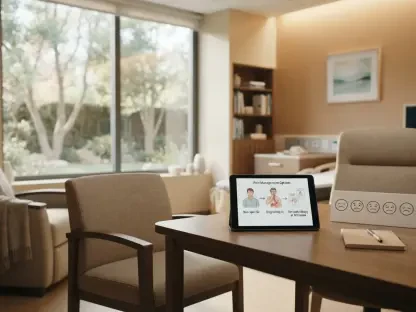
A significant insight from occupational therapy professionals is that the technical superiority of a medical alert system is secondary to the user’s willingness to incorporate it into their daily routine. The most successful implementations occur when the device is viewed not as a symbol of frailty, but as “independence technology” that empowers the individual to maintain their current living situation. This shift in perspective is vital for overcoming the initial resistance many seniors feel when the topic is first introduced. Caregivers are encouraged to “lead with love, not fear,” framing the conversation around the preservation of freedom rather than the threat of injury. When the discussion focuses on how the technology allows for continued solo walks, gardening, or travel, the user is more likely to perceive the device as a tool for living rather than a tool for monitoring.
User adoption is significantly higher when the older adult is treated as an active partner in the selection process rather than a passive recipient of a safety mandate. Allowing the user to choose the specific company, the style of the hardware, and even the color of the wearable component fosters a sense of ownership and agency. Focus group data indicates that participation in these minor decisions correlates with a much higher rate of consistent use. Furthermore, it is important to acknowledge that there is often a learning curve associated with new technology. Families should expect a transition period of approximately three months before the user feels fully comfortable and confident with the system. During this window, regular encouragement and non-emergency test calls can help normalize the presence of the device, turning it from a foreign object into a familiar safety net that enhances the user’s quality of life.
Cultural Shift: Overcoming Stigma and Adapting to Technology
The cultural perception of medical alert systems has undergone a transformation as the hardware has evolved to resemble everyday consumer electronics. The stigma once associated with “clunky” medical pendants is being replaced by an appreciation for sleek, discreet designs that blend into a modern wardrobe. This evolution is crucial because the fear of looking “old” or “infirm” remains one of the primary barriers to adoption among active seniors. Modern manufacturers have responded by offering devices that mimic the appearance of high-end smartwatches or minimalist jewelry, allowing users to feel secure without announcing their medical needs to the public. This shift in design philosophy reflects a broader understanding that psychological comfort is just as important as physical safety, as it directly influences whether a person will wear the device in public spaces where falls or medical emergencies are equally likely to occur.
Addressing the psychological barriers also involves transparent communication about privacy and surveillance. Many seniors are initially hesitant to adopt these systems because they fear a loss of privacy or constant monitoring by family members. Effective systems in 2026 balance the need for safety with the right to personal space, often providing features like “text-to-locate” that only activate during an emergency or when the user specifically requests help. By emphasizing that the primary connection is to a professional monitoring center rather than an intrusive family app, caregivers can reassure their loved ones that their independence remains intact. This approach respects the dignity of the individual while providing the necessary safeguards. As the technology becomes more integrated into the fabric of daily life, the conversation is moving away from the fear of a crisis and toward the peace of mind that comes from being prepared for any situation.
Categorizing Modern Alert Technology
Residential Solutions: Hardware for Static Environments
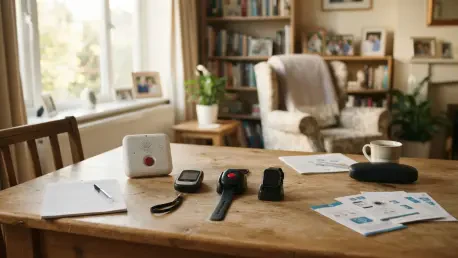
Medical alert systems are primarily categorized based on the lifestyle and environment of the user, with at-home systems serving as the foundation for many. These residential solutions are centered around a base station that facilitates high-quality two-way communication between the user and the monitoring center. These hubs typically connect through existing landlines or, more commonly in 2026, dedicated cellular networks that do not require a separate phone contract. The wearable component—usually a lightweight pendant or a wrist-mounted button—communicates with the base station using a specific radio frequency. This setup is particularly effective for individuals who spend the majority of their time within their home and immediate surroundings. The simplicity of these systems is a major draw, as they often require very little maintenance and feature large, easily accessible buttons that are intuitive to use even during a moment of panic.
The range of these at-home systems is a critical factor for users with large properties or those who enjoy spending time in their yards. Most high-quality base units provide a reliable signal for a distance equivalent to several football fields, ensuring that help is just a button press away even if the user is far from the central hub. Another advantage of residential systems is the longevity of the wearable button’s battery, which often lasts for several years without needing a charge or replacement. This “set it and forget it” reliability appeals to users who may find the daily or weekly charging requirements of mobile devices to be a hassle. By providing a stable and consistent connection point, at-home systems offer a level of security that is both robust and easy to manage, making them an ideal entry point for those beginning to explore medical alert technology.
On-the-Go Protection: Mobile Solutions and Wearable Innovation
For seniors who lead active lifestyles outside the home, mobile GPS-enabled devices and smartwatches represent the current pinnacle of emergency response technology. These systems operate independently of a base station, utilizing cellular networks like AT&T or Verizon to provide nationwide coverage. This means that whether a user is grocery shopping, visiting friends, or traveling across the country, they have a direct line to emergency services at all times. The inclusion of GPS technology allows monitoring center operators to pinpoint the user’s location with high accuracy, which is essential if the caller is disoriented or unable to describe their surroundings. These devices have become increasingly popular because they support a life without boundaries, giving both the user and their family members the confidence to continue exploring the world safely.
The latest category of mobile technology includes GPS-enabled smartwatches, which combine traditional medical alert functionality with features common in modern wearable tech, such as heart rate monitoring and step counting. These devices are particularly effective at reducing the stigma of medical alerts, as they appear identical to standard consumer smartwatches. However, mobile devices do come with different maintenance requirements than their at-home counterparts. Because they are constantly searching for cellular signals and processing GPS data, they require regular charging, often every two to five days depending on the model. This necessity requires a higher level of user engagement and a consistent routine to ensure the device is always powered when needed. Despite this, the trade-off for total mobility and discreet protection makes mobile solutions a preferred choice for the modern, active senior population.
Advanced Safety Features and Maintenance
Digital Safeguards: Enhancing Protection with Detection and Tracking
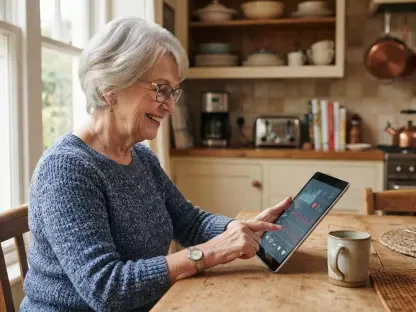
Beyond the basic functionality of a help button, advanced features like automatic fall detection have become a cornerstone of comprehensive safety plans. This technology utilizes sophisticated sensors, such as accelerometers and barometers, to analyze movement patterns and detect the sudden impact associated with a fall. If a fall is detected, the system automatically initiates a call to the monitoring center, which is a life-saving feature if the user is knocked unconscious or is too disoriented to press the button themselves. While it is widely acknowledged that fall detection is not 100% accurate—occasionally triggered by a heavy sit-down or a dropped device—the consensus among safety experts is that the added layer of security is well worth the typical $10 monthly fee. Research indicates that a vast majority of users who have experienced a fall were directly assisted by this automated technology, proving its value in high-stakes situations.
GPS tracking and caregiver applications further enhance the safety ecosystem by providing real-time data to authorized family members or professional caregivers. Modern systems often include mobile apps that allow caregivers to check the user’s location, monitor battery levels, and receive notifications if an emergency call is placed. Some systems even incorporate passive sensors, such as motion detectors or door sensors, to track daily routines and alert caregivers to unusual patterns of inactivity. This “smart home” integration allows for a more nuanced approach to monitoring, where the emphasis is on identifying potential issues before they become emergencies. By combining active help buttons with passive detection and tracking, these systems create a multi-layered safety net that adapts to the specific health risks and lifestyle of the individual user, providing a customized experience that prioritizes both safety and dignity.
Sustaining Performance: Long-Term Reliability and Preventative Maintenance
The successful implementation of a medical alert system concluded with a commitment to ongoing maintenance and regular testing protocols. Experts recommended that users or their caregivers test the equipment at least once a month to verify that both the hardware and the communication link were operating correctly. This process involved pressing the help button and staying on the line to inform the operator that it was merely a test. These routine check-ins served a vital dual purpose: they ensured the technical integrity of the system and kept the user familiar with the process of speaking to a dispatcher. By making the interaction routine, the technology was demystified, which reduced the anxiety often associated with using the device during a real crisis. This proactive approach turned the medical alert system into a reliable and comfortable part of the daily environment.
Furthermore, long-term reliability depended on a clear understanding of battery management and software updates. For at-home units, this meant verifying that the backup power source remained healthy, while mobile users had to establish a disciplined charging schedule to avoid service interruptions. Many families found success by integrating these checks into a broader monthly health review, ensuring that the technology evolved alongside the user’s changing needs. The research emphasized that the most effective safety plan was never a “one and done” purchase, but an evolving partnership between the user, their family, and the technology provider. By prioritizing regular maintenance and staying informed about new feature updates, seniors were able to leverage these tools to secure their independence for years to come, turning a simple piece of hardware into a cornerstone of a safe and active lifestyle.