
As women age past menopause, the internal environment of the ovaries shifts toward increased inflammation and fibrosis, potentially influencing cancer risk. This biological discovery is part of a broader trend in 2026 where clinical assumptions are being rigorously re-evaluated to improve patient

Thirteen adult participants in an epilepsy monitoring unit exchanged over one thousand messages with a conversational AI agent to better understand their own seizure activity. This landmark pilot study, conducted by researchers at the University of Pennsylvania’s Perelman School of Medicine,

Training diagnostic tools on diverse populations across many different hospitals helps address the demographic biases often found in traditional medical AI models. The integration of digital technology into the healthcare sector has fundamentally reshaped the landscape of modern medicine by moving
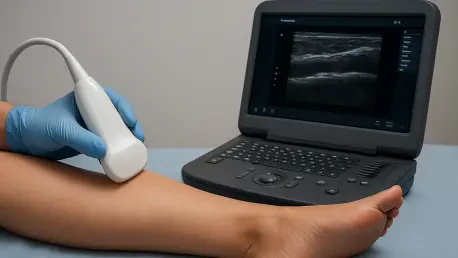
ThinkSono’s technology bridges the expertise gap by allowing nurses and clinicians to record diagnostic-grade recordings without years of specialized sonography training. This breakthrough represents a significant shift in the management of Deep Vein Thrombosis (DVT), a condition that impacts

Clinician documentation and diagnostic codes serve as the primary evidence for mapping the intense, multi-pathogen demand currently facing medical staff. The transition from a singular focus on a global health crisis to a more complicated landscape involving various respiratory threats has
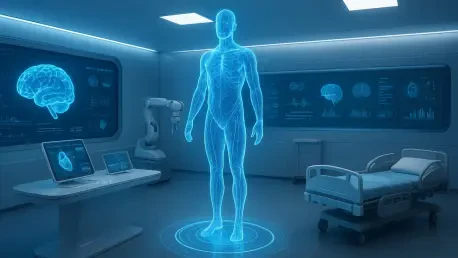
Integrating sophisticated data tools into existing health infrastructures serves to modernize training while simultaneously reorganizing the way medical services are delivered. As the medical landscape undergoes this rapid evolution, the shift from theoretical promise to practical application has