

Data from a recent pilot at Singapore General Hospital indicates that virtual sitter technology enabled 53% of monitored patients to have their physical restraint points reduced. The implementation of a dedicated virtual nursing unit represents a sophisticated modernization of traditional clinical

Starting February 2, 2026, the FDA’s Quality Management System Regulation will officially harmonize U.S. standards with the international ISO 13485:2016 framework. This landmark shift represents more than just a bureaucratic realignment; it signals a fundamental change in the global medical device
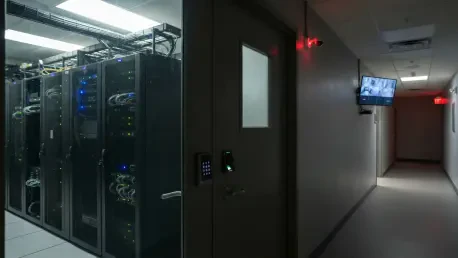
The transition to the new Security Rule will explicitly require the deployment of multi-factor authentication and encryption for all electronic protected health information at rest and in transit. This mandatory baseline represents the most significant overhaul of federal health data regulations in

Premier Chris Minns and Health Minister Ryan Park have defended the delay in public disclosure as a necessary step to protect the integrity of an ongoing police probe. When a single dental voucher subdomain became the primary entry point for a massive data breach in 2026, it highlighted the fragile

The disconnect between sophisticated medical software and the manual logs kept by hospital staff often leads to life-threatening delays in surgical procedures. This systemic friction reveals a profound instability within the logistical heart of modern medicine, where the promise of digital

The transition from static data to a living, breathing operational ecosystem is the defining shift of modern medicine. As we navigate the complexities of hospital management in 2026, the integration of ambient intelligence is no longer a futuristic concept but a vital necessity for overstretched