
Hospitals that prioritize collaborative decision-making between technical experts and clinical staff establish a more durable defense against digital disruptions. This realization marks a significant shift in how healthcare institutions perceive the relationship between technology and patient

The transition to Electronic Medical Records allows BPJS Kesehatan to examine 18 specific data points, including hospitalization duration and diagnostic accuracy. This comprehensive digital shift marks a significant departure from the previous administrative landscape, which relied heavily on

Bridging the gap between service delivery and user satisfaction requires a rigorous methodology for incorporating parental insights into the design process. In the current healthcare landscape of 2026, the traditional approach to managing Autism Spectrum Disorder is being challenged by a more

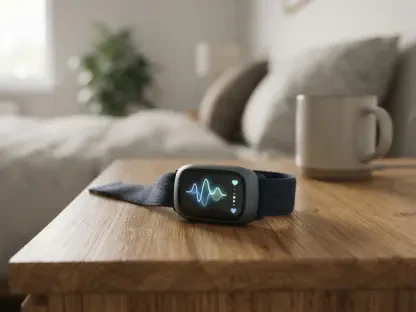
Integrating voice-to-text journaling directly into a wearable allows users to log dietary habits and physical symptoms the moment they occur rather than relying on memory. This innovative approach addresses the fundamental disconnect between automated sensor data and the qualitative human

Stakeholder involvement during the design phase is frequently cited as a valuable principle, yet its application remains inconsistent across many digital health initiatives. In 2026, the gap between advanced medical technology and its practical application in low-income communities remains a

Lead author Dr. Chunhui Yao highlights that the device prioritizes mathematical insight over hardware complexity to achieve its compact and affordable form factor. This philosophy drove the collaborative effort between the University of Cambridge and the startup GlitterinTech to create a