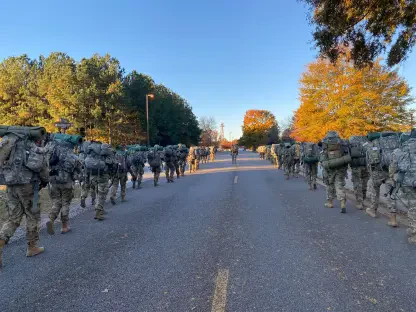

The Defense Health Agency is focusing on reducing lost-duty days for service members by ensuring that medical data remains accessible from the point of injury to long-term recovery. This objective marks the definitive arrival of what experts are now calling the Post-EHR Era, a phase where the primary challenge is no longer the massive infrastructure project of installing software but rather the optimization of its outputs. For over a decade, the conversation around military health IT centered on the deployment of MHS GENESIS and the feasibility of a unified federal record. Now that the foundational digital framework is established across the enterprise, the focus has pivoted toward operational excellence and clinical usability. The goal is to transform these massive data repositories into active assets that support medical readiness and combat lethality. This transition represents a fundamental shift from administrative modernization to a mission-centric approach where technology functions as a seamless extension of the medical provider’s expertise in any environment.
Investment Strategies and Digital Health Priorities
The scale of this transformation is reflected in the financial commitments for the upcoming cycles, with the fiscal year 2027 defense health IT request climbing to approximately $2.6 billion. This represents a significant 14.5% increase over recent funding levels, signaling that the federal government is accelerating its digital footprint rather than slowing down after the initial rollout of the electronic health record. A large portion of these resources is specifically earmarked for enhancing the daily workflows of both clinicians and patients within the military healthcare ecosystem. This investment strategy prioritizes the deployment of ambient clinical documentation and advanced tele-critical care systems that can bridge the gap between remote outposts and centralized medical expertise. By focusing on these high-impact areas, the military aims to recapture lost clinical time, allowing doctors to dedicate more focus to patient care and less to the manual requirements of data entry that often lead to professional burnout and systemic inefficiency.
Moving beyond the simple purchase of off-the-shelf software, the current procurement philosophy emphasizes technologies that function as force multipliers for the medical corps. The objective is to create a global network of medical consultation supported by robust audiovisual infrastructure and high-speed data pipelines. This includes expanding video visit capabilities to reach service members in diverse geographic locations, ensuring that specialty care is accessible regardless of where a unit is stationed. By streamlining the interface between the provider and the digital record, the Defense Health Agency is working to ensure that the federal health ecosystem remains as lean and responsive as the combat units it supports. Every dollar allocated to these digital initiatives is scrutinized for its ability to reduce duty-time losses, directly linking IT performance to the overall health and availability of the force for worldwide deployment. The emphasis has shifted to creating a proactive, data-driven environment that anticipates medical needs before they become mission-impairing issues.
The Operational Integration of Artificial Intelligence
Artificial Intelligence has transitioned from the realm of experimental pilot programs into a pragmatic tool for solving real-world operational bottlenecks within the military health system. In this Post-EHR Era, AI is no longer viewed as a futuristic novelty but as a functional necessity for synthesizing the overwhelming volume of data generated by modern clinical systems. One of the most impactful applications currently being integrated is longitudinal record summarization. This technology uses advanced algorithms to distill decades of a service member’s medical history into a concise, actionable brief that a medic can digest in seconds during a crisis. In a field environment where every moment counts, having an immediate understanding of a patient’s allergies, previous surgeries, and chronic conditions can be the difference between life and death. This shift toward automated data synthesis ensures that the right information reaches the right person at the right time, effectively turning a massive digital archive into a sharp instrument for tactical decision-making and patient safety.
The practical integration of AI extends further into the administrative and documentation layers of healthcare through the use of ambient listening tools and automated coding systems. These technologies allow physicians to focus entirely on the service member during a clinical encounter, as the system captures the conversation and generates necessary documentation in the background. By treating “clinical time returned” as a primary performance metric, the military is addressing one of the most significant grievances of the early digital erthe transformation of doctors into data entry clerks. Automation of the backend processes ensures that medical personnel can maintain their proficiency and focus on clinical outcomes rather than administrative compliance. Moreover, AI-driven predictive analytics are being used to identify health trends across the force, allowing leadership to allocate medical resources more effectively. This systematic approach to artificial intelligence reflects a broader commitment to utilizing every available technological advantage to preserve the combat power of the Department of Defense.
Connectivity at the Tactical Edge
A defining characteristic of military health IT in the current landscape is the absolute requirement for systems to function at the tactical edge, where connectivity is often unreliable or non-existent. The strategic planning for the 2027 to 2028 cycle treats the military cloud and the battlefield as a single, continuous technology environment that must remain resilient under pressure. This approach necessitates robust offline functionality and resilient synchronization protocols, allowing medics in contested environments to record treatments on mobile devices without a live link to a central server. Once a signal is re-established, whether through satellite or terrestrial networks, the data must automatically and securely sync with the global record to maintain a perfect continuity of care. This focus on denied, disconnected, intermittent, and low-bandwidth environments distinguishes the military’s requirements from those of the civilian sector. Technology that fails to perform in these harsh conditions is considered a liability rather than an asset in the modern theater of operations.
To achieve this level of resilience, the military has invested heavily in decentralized data architectures that allow for localized processing of medical information. This ensures that even if the primary connection to a headquarters is severed, a field hospital can continue to operate with a full set of digital tools and local patient records. The integration of edge computing allows for real-time analysis of vital signs and injury patterns, providing immediate feedback to medical teams on the ground. Furthermore, the 2027–2028 strategy emphasizes the importance of interoperability between different service branches to ensure that a Navy corpsman can seamlessly access records for an Army soldier during a joint operation. This seamless flow of information from the point of injury through various levels of evacuation is the hallmark of a mature digital health ecosystem. By prioritizing ruggedness and connectivity in the most hostile environments, the military ensures that its medical personnel are never forced to fly blind when treating those in harm’s way across the globe.
Navigating the VA Market and Legacy Transitions
While the Department of Defense optimizes its established digital framework, the Department of Veterans Affairs is navigating a complex and monumental transition of its own. The VA’s shift to the Oracle Health Federal EHR represents a multi-year endeavor focused on site readiness and the massive challenge of data conversion from legacy systems. Unlike the DoD, which moved more rapidly across its facilities, the VA must retire the VistA system, which has served as the backbone of veteran care for nearly four decades. This creates a parallel market for technology vendors, focusing specifically on data reconciliation and the human element of change management across a vast network of hundreds of medical centers. The technical debt associated with decades of custom-built software within VistA makes this transition particularly delicate, as any loss of data integrity could directly impact the care of millions of veterans. Consequently, the focus within the VA sector remains heavily weighted toward the safe and effective migration of historical records into the modern federal environment.
The relationship between the VA and the DoD highlights a unique dynamic where both organizations share a software baseline yet operate as distinct buyers with different funding streams and operational requirements. For technology partners, this means that success in one department does not automatically translate to the other without a deep understanding of the specific clinical needs of the veteran population. While the DoD focuses on readiness and tactical deployment, the VA prioritizes the management of chronic conditions and long-term care for an aging population. This necessitates a tailored approach to software development and implementation that respects the unique administrative workflows of each department. Vendors who can bridge these gaps by offering solutions that address the specific needs of veterans, such as streamlined benefits integration and coordinated community care, will find a significant and long-term role in the federal space. The challenge lies in ensuring that the shared EHR platform remains flexible enough to accommodate these differing missions while maintaining a unified view of the patient.
Complexity in Federal Acquisition and Vendor Success
Navigating the federal health IT market in this new era requires a sophisticated understanding of a complex buyer map that extends far beyond a single administrative office. Technology vendors must engage with a hierarchy that includes the Defense Health Agency, individual service commands, and various Program Executive Offices responsible for the lifecycle of digital systems. A critical distinction that often determines the success or failure of a vendor is the difference between the requirement owner, typically a clinician or end-user, and the contracting office that executes the purchase. Understanding these nuances is essential for any company hoping to scale its solutions across the enterprise. In the Post-EHR Era, the military has moved away from isolated, small-scale pilots in favor of enterprise-wide solutions that can be integrated into the existing federal record without compromising security. The demand for scalability and interoperability means that any new technology must demonstrate an immediate and measurable impact on the overall efficiency of the healthcare delivery system.
Success for industry partners in the current landscape depended on their ability to prove that their tools were cybersecurity gatekeeper approved and capable of global integration from the start. The era of trial and error was replaced by a rigid requirement for mission-aligned innovation that provided a clear path to improving the health outcomes of the force. Forward-looking vendors focused on creating modular solutions that could plug into the federal EHR while remaining secure against evolving global cyber threats. These companies avoided the pitfalls of proprietary lock-in, instead opting for open standards that allowed for easier data exchange and long-term adaptability. The most successful organizations were those that recognized the shift in military priorities toward data utility and clinical efficiency. As the military health system looked toward future challenges, the integration of resilient IT infrastructure became the cornerstone of all medical operations. This approach ensured that medical teams remained equipped to provide high-quality care in any environment, ultimately fulfilling the promise of a truly modernized and mission-ready healthcare system.