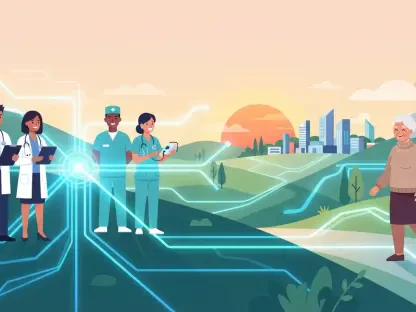

A primary objective of this strategic merger is to eliminate the communication gaps that traditionally exist between hospital staff and independent outpatient mental health providers. In the current landscape of 2026, the fragmentation of behavioral health services remains a significant hurdle for patients navigating the complexities of mental health crises and recovery. Universal Health Services has recognized that the discharge process often represents a point of failure where patients lose touch with professional support. By integrating Talkspace’s digital platform into its clinical workflow, UHS aims to create a continuous feedback loop that ensures no patient falls through the cracks after leaving a facility. This partnership reflects a broader industry trend toward hybrid care models that prioritize accessibility while maintaining the high standards of acute clinical intervention and specialized medical oversight.
Operational Synergies in Behavioral Healthcare
Streamlining the Transition: From Inpatient to Outpatient Care
The transition from an intensive inpatient setting to a self-managed outpatient routine is notoriously difficult. Traditionally, when a patient is discharged from a UHS facility, the hospital staff provides a list of local therapists, many of whom may have long waiting lists or do not accept the patient’s insurance. This friction often leads to a relapse or readmission, creating a revolving door effect that strains both the patient and the healthcare system. Through the Talkspace merger, UHS can now provide immediate, on-demand digital therapy sessions that begin the moment a patient steps out the door. By pre-enrolling patients in the Talkspace platform during their hospital stay, the healthcare giant ensures that the initial connection with a therapist occurs within hours rather than weeks. This proactive approach utilizes mobile technology to bridge the physical distance between specialized clinics and the patient’s home environment.
Enhancing Data Continuity: Real-Time Clinical Integration
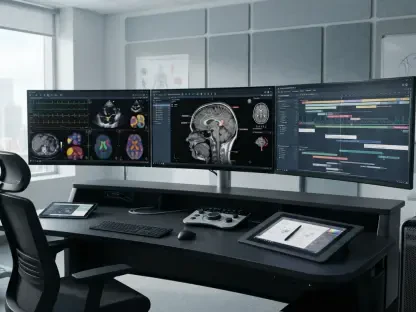
Furthermore, the integration of digital tools allows for a more comprehensive data exchange between the acute care team and the follow-up therapists who monitor long-term progress. In the past, clinical notes from a hospital stay were often delayed or lost in transit, leaving outpatient providers to guess at the specific nuances of a patient’s recent crisis. The new collaborative framework enables secure, real-time sharing of treatment plans and risk assessments, allowing Talkspace providers to tailor their interventions based on the specific clinical outcomes achieved during the inpatient phase. This level of synchronization reduces redundant evaluations and allows therapy to focus on recovery goals from the very first session. As providers utilize these shared electronic health records, they can identify early warning signs of distress through the platform’s monitoring features. Such technological cohesion represents a shift toward a truly integrated delivery network.
Future Implications for Industry Accessibility
Expanding Reach: The Role of Telehealth Infrastructure
Looking forward at the trajectory of the healthcare market from 2026 to 2028, the expansion of hybrid models is expected to address the critical shortage of mental health professionals in rural areas. While physical UHS facilities are strategically located in metropolitan centers, the reach of their expertise was previously limited by geographic boundaries and the physical capacity of their buildings. By leveraging Talkspace’s network of thousands of licensed clinicians, the organization can now serve patients in remote regions who would otherwise have no access to specialized behavioral health services. This extension of care is not merely a convenience but a vital lifeline for communities that have historically been overlooked by large medical corporations. The ability to consult with a specialist via a smartphone while still being under the umbrella of a trusted hospital brand provides a sense of security and continuity. This model also allows clinicians to manage stable patients digitally.
Sustaining Long-Term Recovery: Monitoring and Outcomes
The initial phases of this integration demonstrated that a unified approach to behavioral health significantly reduced the likelihood of emergency room visits for psychiatric reasons. Stakeholders in the healthcare industry observed that the seamless handoff between physical and digital realms fostered higher levels of patient engagement and adherence to medication protocols. Moving forward, healthcare executives should prioritize the implementation of similar interoperable systems that allow for fluid patient movement between different levels of care. It was evident that investing in a robust digital infrastructure provided a scalable solution to the rising demand for mental health support across diverse demographics. Organizations sought to refine clinical protocols to ensure that digital therapy remained as effective as traditional face-to-face sessions. By examining the success of the UHS-Talkspace collaboration, other health systems began to develop their own hybrid frameworks.