The transition to high-level automation in the Tessenderlo warehouse utilizes robotics for depalletization and goods-to-person picking stations to maximize both speed and ergonomic safety. This strategic shift addresses the mounting pressure on the global healthcare supply chain, where the margin for error is virtually non-existent. As pharmaceutical products become increasingly complex, ranging from specialized biologics to high-volume generic medications, the traditional logistics model often fails to meet the stringent demands of modern medicine. Livlina has stepped into this gap as a Fourth-Party Logistics (4PL) specialist, assuming comprehensive control over the entire lifecycle of a product after it leaves the production floor. By integrating advanced data analytics with physical asset management, the firm provides a seamless interface between manufacturing plants and the point of care. This approach ensures that life-saving treatments are handled with the precision they require, allowing healthcare providers to focus on patient outcomes rather than logistical hurdles.
Core Philosophies: Operational Standards for Modern Logistics
Human-Centric Values: Driving Excellence in Every Order
At the foundation of this logistical revolution lies a core mission that prioritizes human life above all else, summarized by the guiding principle that life simply cannot wait. This mantra is not merely a marketing slogan but a functional requirement that dictates every process within the organization, from the initial intake of goods to the final dispatch. A central pillar of this philosophy is the concept of “Together,” which manifests as a deep-seated partnership between the logistics provider and the pharmaceutical client. This collaboration is best evidenced by the company’s industry-leading picking accuracy, which frequently hits the highest percentiles in the sector. Ensuring that the correct medication reaches the right patient at the exact moment it is required is the primary measure of success. By aligning internal performance metrics with patient needs, the company creates a high-trust environment where accuracy is viewed as a moral obligation rather than just a key performance indicator.
Building on this foundation of partnership is a “No Nonsense” operational style that favors transparency and long-term stability over short-term gains or flashy corporate branding. In an industry often clouded by complex subcontracting and opaque pricing models, this commitment to honesty provides a refreshing clarity that builds enduring trust with multinational biotech firms. The company emphasizes a “what you see is what you get” approach, ensuring that partners are fully aware of every step in the supply chain. This transparency is critical for maintaining regulatory compliance and ensuring that every stakeholder is held accountable for the integrity of the medical products. Furthermore, this philosophy encourages a culture of continuous improvement, where challenges are addressed openly and solved through collective innovation. By removing the barriers of ego and corporate posturing, the organization fosters an atmosphere where sustainable growth and ethical practice are the natural results of honest communication.
Professionalism: Delivering Peace of Mind to Healthcare Partners
A primary objective for any 4PL provider is to “unburden” its partners, and Livlina achieves this by assuming total responsibility for the intricate complexities of the modern supply chain. This allows pharmaceutical companies to pivot their primary focus back toward Research & Development and the production of new therapies, which is where their expertise truly lies. The specialized nature of pharmaceutical logistics, involving everything from customs clearance to temperature monitoring, can often become a significant distraction for manufacturers. By outsourcing these critical functions to a dedicated specialist, pharmaceutical firms can enjoy true “Peace of Mind,” knowing that their products are in expert hands. This transfer of risk and responsibility is managed through rigorous service-level agreements and real-time tracking systems that provide constant visibility without requiring active management from the client. Consequently, the entire ecosystem becomes more efficient as each entity focuses on its core strengths.
This professional unburdening is supported by a unique “Human” culture that rejects the high-stress, blame-heavy atmosphere often found in traditional industrial settings. The management philosophy prioritizes individual strengths and personal growth, recognizing that a motivated and psychologically safe workforce is the most effective driver of quality and innovation. By fostering a “no-blame” environment, the company encourages employees to report anomalies or suggest improvements without fear of retribution, which is essential for maintaining the high standards required in healthcare. This human-centric approach extends to the hiring process, where the organization prioritizes a candidate’s mindset and cultural fit over mere technical skillsets. This strategy ensures that every team member, from the warehouse floor to the executive suite, is aligned with the core values of the company. The result is a highly cohesive workforce that approaches logistical challenges with a positive, solutions-oriented mindset that ultimately benefits the end user.
Infrastructure: Technological Innovation in Warehousing
State-of-the-Art Facilities: High-Tech Storage Solutions
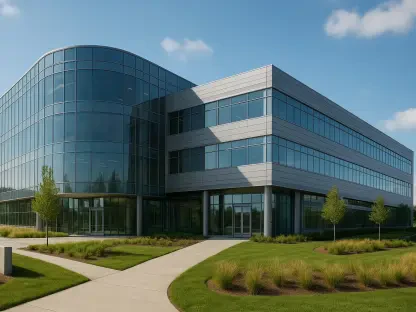
The physical manifestation of this logistical excellence is found in the state-of-the-art facility located in Tessenderlo, Belgium, which serves as a global benchmark for modern pharmaceutical storage. Spanning an impressive 35,000 square meters and reaching a height of 36 meters, this massive infrastructure is designed to accommodate the growing volume of global medical trade. With a total capacity of 110,000 pallets, the warehouse provides the necessary scale for large-scale distribution while maintaining the precision of a boutique provider. The sheer verticality of the building is a testament to the efficient use of space, allowing for a concentrated hub of activity that can service multiple European markets with ease. This facility is not just a storage shed but a high-tech nerve center where every square inch is optimized for safety and throughput. The strategic location in Belgium further enhances its value, placing it at the heart of one of the world’s most active pharmaceutical clusters and providing rapid access to major transport routes.
Beyond its impressive dimensions, the Tessenderlo site is characterized by its highly specialized storage zones, which are tailored to the specific thermal and safety requirements of different medical goods. Given the sensitive nature of modern biologics, the facility includes dedicated “Deep Cold Storage” areas capable of maintaining temperatures as low as minus 80 degrees Celsius, which is critical for the stability of certain vaccines and advanced therapies. In addition to these extreme environments, there are specialized zones for ambient storage maintained between 15 and 25 degrees, as well as standard cold storage for products requiring temperatures between 2 and 8 degrees Celsius. There are also secure areas specifically designed for the handling of dangerous or volatile materials, ensuring that all regulatory safety protocols are met or exceeded. Each of these zones is monitored by redundant electronic systems that provide constant temperature logs, ensuring that the cold chain remains unbroken from arrival to final dispatch.
Automation: A Tool for Efficiency and Employee Ergonomics
The integration of high-level automation within the warehouse represents a significant leap forward in operational efficiency, moving away from the labor-intensive methods of the past. Utilizing advanced robotics for depalletization and a sophisticated “goods-to-person” system, the facility has dramatically reduced the time required for order fulfillment. In this setup, products are automatically retrieved from high-density storage and brought directly to a stationary worker, effectively eliminating the need for staff to walk long distances across the vast warehouse floor. This technology not only speeds up the picking process but also minimizes the risk of human error during the selection stage. Each movement is guided by a central warehouse management system that optimizes the flow of goods to prevent bottlenecks, even during peak demand periods. This level of technological integration allows the organization to handle a much higher volume of orders than a traditional manual facility, providing the scalability needed to support expanding pharmaceutical portfolios.
While the primary focus of automation is often on speed and throughput, the company has also utilized these technologies to enhance the ergonomic safety and well-being of its workforce. By bringing products to the workers at height-adjustable stations, the “goods-to-person” system removes much of the physical strain associated with traditional warehouse roles, such as heavy lifting and repetitive bending. This focus on ergonomics reduces the likelihood of workplace injuries and long-term physical fatigue, leading to a more sustainable and healthy work environment. The synergy between human workers and robotic systems demonstrates that high-tech solutions can be used to augment human capability rather than simply replacing it. Staff are trained to oversee and manage these automated systems, shifting their roles toward higher-value tasks such as quality control and process optimization. This commitment to employee safety and career development ensures that the workforce remains engaged and capable of meeting the rigorous standards of the pharmaceutical sector.
Sustainability: Future Growth and Strategic Expansion
Environmental Responsibility: Green Initiatives in Modern Logistics
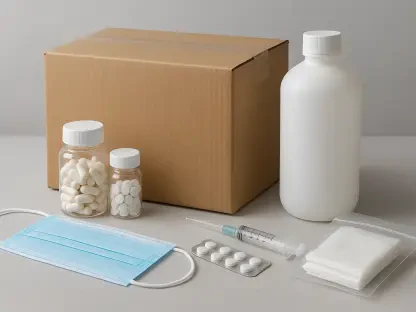
In recent years, the convergence of environmental responsibility and operational efficiency has become a defining trend within the logistics industry, and Livlina is at the forefront of this movement. A standout example of this is the implementation of an automated box-closing system that utilizes advanced sensors to measure the exact volume of the contents before sealing the package. This technology allows the system to trim the cardboard to the precise height required, effectively eliminating the “empty air” that is often found in standard shipping containers. By creating a custom-sized fit for every order, the organization has completely removed the need for plastic or paper filler materials, which were previously used to prevent products from shifting during transit. This reduction in packaging waste directly supports global sustainability goals while also streamlining the packing process. It serves as a clear demonstration that innovative engineering can solve both environmental and logistical challenges simultaneously.
The benefits of this precise packaging extend far beyond the warehouse floor and into the global distribution network by significantly optimizing pallet density. Because the boxes are smaller and more uniform, the company can stack approximately 20% more containers on a single pallet compared to traditional methods. This increased density means that fewer trucks and aircraft are required to transport the same volume of goods, leading to a direct and measurable reduction in the carbon footprint of every shipment. Furthermore, the decrease in shipping volume translates to lower fuel consumption and reduced transport costs, proving that green initiatives can be economically beneficial. This trend toward “lean” logistics is becoming a critical requirement for pharmaceutical manufacturers who are under increasing pressure to meet ESG targets. By providing a carbon-optimized distribution solution, the organization helps its partners achieve their own sustainability goals while maintaining the high-speed delivery required for medical supplies.
Strategic Vision: Expansion and End-to-End Delivery Control
Looking toward the ongoing progress of the organization, the strategic focus has shifted toward solidifying its position as the premier European hub for pharmaceutical distribution. The roadmap for the current expansion cycle from 2026 to 2028 includes the development of a fourth specialized warehouse on existing land in Belgium to meet the surging demand for high-capacity medical storage. This new facility will incorporate the latest advancements in climate control and automated sorting to further enhance the network’s resilience. Additionally, the expansion of “Livlina Transport” represents a move toward total end-to-end control, utilizing a dedicated fleet of temperature-controlled trucks and smaller vans for last-mile delivery. By managing the transport internally, the company can ensure that the same high standards of quality and safety are maintained from the warehouse shelf directly to the hospital ward. This vertical integration reduces the reliance on third-party carriers and allows for greater flexibility in responding to urgent medical needs.
The evolution of this 4PL model provided a clear blueprint for the future of healthcare logistics, emphasizing that technological sophistication must be balanced with a human-centric philosophy. By prioritizing “mindset over skillset” and investing in high-level automation, the organization successfully solved the traditional trade-offs between speed, accuracy, and safety. The move toward end-to-end control through an internal transport fleet and expanded warehousing capacity offered a more resilient alternative to the fragmented supply chains of the past. Moving forward, industry stakeholders should look to adopt similar integrated models that prioritize environmental sustainability as a core operational metric rather than a secondary concern. The emphasis on transparency and a “no-blame” culture remained the most critical factors in maintaining long-term partnerships with global pharmaceutical innovators. Ultimately, the industry learned that the most effective way to protect patient health was to build a logistics infrastructure that was as innovative as the life-saving medications it was designed to deliver.