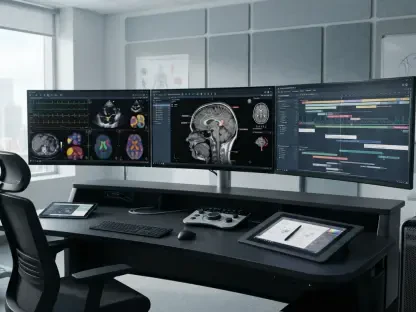
The implementation of a telehealth-first model has successfully eliminated the so-called postcode lottery that previously dictated the quality of healthcare based on a patient’s proximity to major cities. This achievement by Zenith Clinics, which recently surpassed the 10,000-patient mark, represents a fundamental shift in the Australian healthcare landscape. By prioritizing a doctor-led digital platform, the organization has effectively demonstrated that alternative medicine can be delivered with the same level of professional oversight and regulatory compliance as traditional primary care. The milestone serves as a definitive case study in how specialized clinics can transition from niche, localized practices into national healthcare providers. Leveraging the expertise of medical professionals registered with the Australian Health Practitioner Regulation Agency (AHPRA), the clinic has managed to harmonize unconventional treatment paths with established medical standards. This growth indicates a significant level of public trust in remote clinical assessments, especially as patients seek more flexible healthcare.
Bridging the Divide: National Accessibility and Technological Integration
The vast geographical landscape of Australia has historically created significant disparities in medical access, particularly for those residing outside the primary metropolitan corridors of the eastern seaboard. Zenith Clinics addressed this systemic challenge by deploying a robust technological infrastructure that prioritizes patient connectivity regardless of their physical location. This approach effectively neutralized the advantage previously held by urban dwellers, allowing residents in regional and remote areas to engage with specialized practitioners without the burden of long-distance travel or excessive wait times. By centralizing medical expertise through a digital hub, the clinic has fostered an environment where the quality of care is standardized across the continent. This evolution from localized brick-and-mortar facilities to a unified national platform signifies the maturity of the telehealth sector. It proves that complex healthcare journeys, which require ongoing monitoring and specialized oversight, can be successfully managed in a remote capacity.
Technological integration in the medical sector has transitioned from a supporting role to becoming the very foundation of patient interaction in 2026. The move toward universal access is no longer a theoretical goal but a tangible reality facilitated by high-speed connectivity and secure communication tools. For many Australians, the convenience of attending a consultation from their own home has transformed healthcare from a disruptive event into a seamless part of their daily routine. This shift reflects a broader societal demand for efficiency and transparency, where patients expect immediate access to their medical data and a clear understanding of their treatment pathways. As digital literacy continues to improve, the reliance on these platforms is expected to grow, further cementing telehealth as a primary pillar of the national health strategy. This model successfully aligns the operational needs of medical clinics with the lifestyle requirements of a modern, mobile population that values autonomy in managing their health outcomes.
Clinical Standards: The Modern Patient Pathway
At the heart of the operational framework is a meticulous digital onboarding sequence designed to uphold the highest levels of patient safety and clinical necessity. Every potential patient begins their journey by completing an extensive online pre-screening process that gathers essential health data and treatment histories. This information acts as the basis for a direct, one-on-one consultation with a licensed doctor, ensuring that the physician has a comprehensive view of the patient’s health before any clinical decisions are made. The clinic maintains a firm policy of clinical discretion, where the focus is entirely on the appropriateness of the treatment rather than a guaranteed outcome. This ensures that the medical professional remains the ultimate authority in the patient-doctor relationship, preventing the commodification of healthcare services. By strictly adhering to these protocols, the clinic ensures that every patient interaction is grounded in evidence-based medicine, even when exploring alternative therapeutic options.
A significant advancement in the clinic’s model is the removal of the traditional requirement for a General Practitioner referral, which has historically acted as a gatekeeper to specialized care. While this change lowers the barrier to entry, it does not diminish the quality of the clinical assessment, as all practitioners are AHPRA-registered and follow stringent internal guidelines. This streamlined approach acknowledges the growing segment of the population that seeks alternative medical perspectives and desires a direct path to specialized expertise. By bypassing unnecessary administrative steps, the clinic allows doctors to focus more intently on the individual patient’s needs, fostering a more personalized and attentive clinical environment. This shift away from a one-size-fits-all pharmaceutical approach toward an individualized model is crucial for managing chronic or complex health issues. It provides a structured yet flexible framework that empowers patients to explore various health solutions under the guidance of qualified professionals.
Strategic Growth: The Future of Alternative Medicine
Building market trust has been a cornerstone of the expansion strategy, particularly within the sensitive area of alternative medicine. To address the inherent skepticism that can surround unconventional treatments, Zenith Clinics implemented financial policies that prioritize patient advocacy over upfront profit. By offering initial consultations where costs are only incurred if a specific treatment plan is approved, the clinic has effectively lowered the financial risk for patients who are unsure of their eligibility or the potential benefits of a new medical path. This strategy has proven highly effective in attracting a diverse patient base, leading to the recent 10,000-patient milestone. The ability to scale such a model across a national audience suggests that the remote consultation framework is both durable and adaptable. As the clinic moves into its next operational phase, the emphasis will likely shift toward further optimizing the user interface to ensure that the patient experience is as intuitive as possible.
The journey toward this 10,000-patient milestone established several critical benchmarks for the future of digital health. Medical providers recognized that maintaining clinical integrity was paramount when expanding into unconventional fields, as seen through the clinic’s rigid adherence to professional standards. Looking forward, the industry was expected to focus on even deeper integrations between wearable health tech and telehealth platforms to provide real-time data to consulting physicians. Future strategies necessitated a move toward hyper-personalized care models where digital interfaces served as the primary touchpoint for ongoing patient management. Stakeholders observed that the removal of financial barriers for initial assessments was a vital step in fostering patient confidence. These developments suggested that the next phase of healthcare evolution required a continued emphasis on intuitive user design and the absolute transparency of medical outcomes, ensuring that alternative healthcare remained a safe and standardized choice for the public.