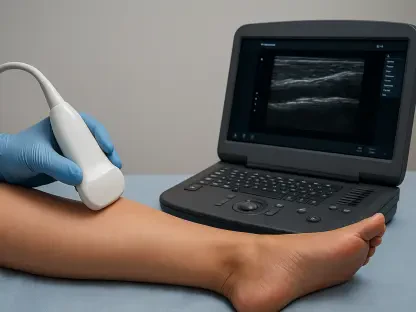

Clinicians often face significant administrative burdens that the new AI copilot tools aim to reduce, allowing for more focus on direct patient relationships. For years, the integration of advanced technology into clinical workflows remained a promise rather than a reality, but the landscape is shifting rapidly. The OpenAI Foundation recently announced a massive $100 million initiative specifically targeted at public health, signaling a new era where artificial intelligence moves from speculative experimentation to foundational infrastructure. This investment comes at a time when healthcare providers are grappling with unprecedented burnout and an aging global population that requires more personalized intervention. By channeling resources into accessible models, the foundation aims to democratize the benefits of sophisticated computation for those who need it most. The challenge remains how to deploy these capabilities without compromising the human element of care in a digital world.
Strategic Investment in Global Health Infrastructure
Bridging the Gap: Research and Community Care
This new funding cycle represents a significant pivot toward solving localized health crises through scalable software solutions. Instead of focusing solely on general-purpose linguistic models, the $100 million is being allocated to specialized datasets that represent diverse patient populations across the globe. This strategy ensures that diagnostic recommendations are not biased by regional data sets, making the tools effective in both high-income urban centers and remote rural clinics. The foundation is partnering with several major academic medical centers and international non-profit organizations to refine these tools for specific use cases, such as early-stage oncology detection and infectious disease tracking. By lowering the barrier to entry for smaller hospitals, the initiative prevents a digital divide from widening in the medical sector. These efforts are expected to yield a suite of open-access tools that can assist in identifying patterns in data.
Enhancing Clinical Workflow: Tools for Modern Practitioners
Beyond the technical specifications, the initiative emphasizes the development of multimodal interfaces that allow practitioners to interact with medical records through voice and visual analysis. This approach simplifies the synthesis of vast amounts of information, such as longitudinal patient histories and real-time biometric feeds from wearable devices. The OpenAI Foundation’s commitment also includes dedicated support for training healthcare staff to navigate these sophisticated systems without requiring deep technical expertise. As these AI assistants become more integrated into daily operations, the focus shifts from merely collecting data to deriving actionable insights that can prevent hospitalization through proactive monitoring. This transformation is particularly vital in managing chronic conditions, where early intervention can drastically improve quality of life. By fostering an ecosystem of transparency, the foundation hopes to create a blueprint for future cooperation and safety.
Implementation and Ethical Governance of Medical Intelligence
Safeguarding DatSecurity and Algorithmic Fairness
One of the primary hurdles in deploying medical AI is the absolute necessity for robust data privacy and security protocols. The OpenAI Foundation has prioritized the creation of privacy-first architectures that utilize federated learning and differential privacy to protect sensitive patient information. This ensures that while models learn from a broad spectrum of clinical outcomes, the individual identities and private records of patients remain entirely anonymized and secure within their original local servers. Furthermore, the commitment involves a rigorous auditing process designed to detect and mitigate algorithmic bias before tools are deployed in the field. This proactive stance is essential for maintaining public trust, especially as these systems begin to suggest life-critical treatments or triage decisions in high-pressure environments. Developers are working closely with regulatory bodies to ensure that every update adheres to the most stringent international standards.
Future Perspectives: Sustainable Development and Global Equity
Stakeholders recognized that the success of this $100 million investment depended on more than just code; it required a fundamental shift in how medicine and technology intersected. Organizations that adopted these frameworks earlier in 2026 found that the most effective path forward involved cross-disciplinary collaboration between engineers and frontline clinicians. This synergy ensured that the software remained a servant to human judgment rather than a replacement for it. Moving forward, the focus turned toward creating sustainable funding models that could maintain these AI systems independently of corporate grants. The initiative ultimately proved that focused financial commitments could break the deadlock of administrative inefficiency in public health. Leaders in the industry suggested that the next logical step involved the standardization of medical AI ethics across all geographic borders. By prioritizing transparency, the healthcare community moved closer to a future where medical expertise was universal.