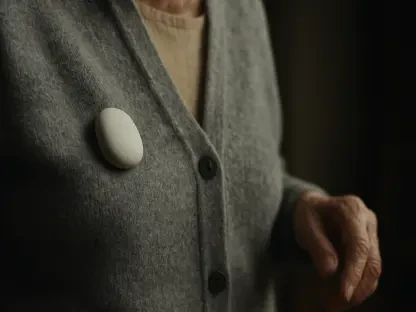

Naver’s Clova CareCall uses AI-driven dialogue to identify specific physical symptoms like shortness of breath and dizziness that might otherwise go unreported in isolated settings. As record-breaking heat waves become a frequent reality across the globe, the vulnerability of the elderly population
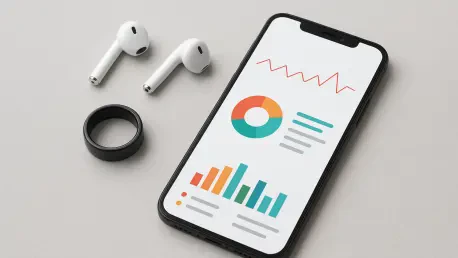
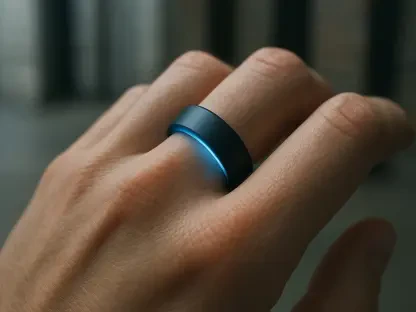
In a landscape saturated by bulky smartwatches and invasive notifications, a subtle shift toward minimalist health tracking has redefined how users engage with their own biological data. With a five-atmosphere water resistance rating, the hardware is designed to remain on the finger during
The Google Health Coach functions as a digital concierge, allowing U.S. users to sync their medical records and search for specialized healthcare providers across 200 different fields. This innovation stems from a landmark multiyear partnership between Abbott and Google, specifically designed to

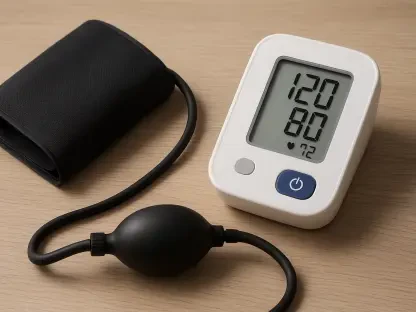
Identifying an overnight increase in respiratory rate of just one or two breaths per minute can provide a critical early warning for pulmonary or systemic stress. For several years, the primary utility of consumer wearables remained locked within the narrow confines of step counts and basic calorie

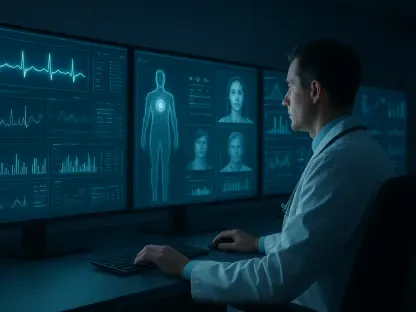
Hospitals across the nation are currently navigating a tectonic shift as sophisticated machine learning protocols and digital health ecosystems converge with decades of traditional clinical expertise. This transition represents far more than a simple software upgrade; it is a fundamental

The rapid stabilization of virtual healthcare usage at approximately 76% represents a seismic shift in the global medical landscape, transforming what was once a temporary pandemic-era convenience into a permanent pillar of modern health systems. This transition is not merely the result of