
The successful establishment of a joint procurement mechanism serves as a blueprint for the economic and medical integration of the entire Southern African region. This milestone, reached during the pivotal summit in Durban, South Africa, represents a fundamental shift in how the Southern African Development Community (SADC) approaches public health. By moving beyond a traditional model of reliance on international donors, the 16 member states have initiated a strategic transformation aimed at achieving true health sovereignty. This involves the synchronization of national health policies and the creation of a collective security framework capable of managing both endemic diseases and unpredictable global supply chain disruptions. The ministers of health and those responsible for HIV and AIDS underscored that this transition is not merely about medical treatment but about fostering regional solidarity. Through this lens, the bloc is building the institutional resilience necessary to protect its populations while simultaneously advancing its industrial capacity and economic stability.
Strengthening Regional Disease Management and Infrastructure
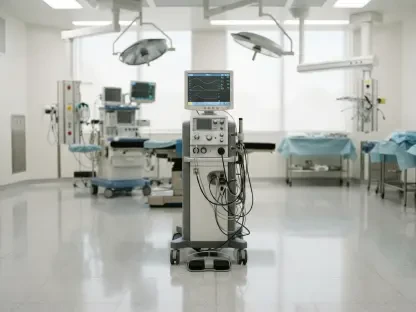
To secure a future of health sovereignty, the region is prioritizing the fortification of its internal systems against long-standing threats such as HIV, TB, and malaria. This effort requires a move away from fragmented national responses toward a unified, sustainable financial model that supports modern health infrastructure across all member states. The strategy involves significant investment in laboratory networks and diagnostic capabilities, ensuring that every nation within the bloc can provide high-quality clinical care without external support. By modernizing these systems, SADC is creating a foundation for institutional resilience that allows for the rapid identification and containment of pathogens. This systemic upgrade is designed to be self-sustaining, reducing the need for foreign technical assistance and ensuring that medical breakthroughs are accessible to all citizens regardless of their economic standing. The focus remains on building a robust network that serves as a permanent asset for the entire regional community.
Beyond managing traditional infectious diseases, the regional strategy now incorporates a holistic approach to wellness that integrates food security and reproductive health into the core public health agenda. Leaders recognize that biological threats do not exist in isolation; therefore, a multidimensional response is required to address the root causes of vulnerability. This comprehensive framework allows the region to manage emerging outbreaks, such as Ebola and mpox, with a level of agility that was previously unattainable. By establishing cross-border protocols and shared surveillance data, member states can contain localized threats before they escalate into regional crises. This proactive stance is supported by a commitment to sexual and reproductive health rights, ensuring that women and youth are at the center of the health sovereignty movement. The integration of these various elements creates a more resilient population and a healthcare system that is better equipped to handle the complexities of modern epidemiology while maintaining a focus on long-term wellness.
Transitioning Toward Sustainable Domestic Health Financing
A central theme driving the current health agenda is the recognition that international development assistance is becoming increasingly scarce and competitive on the global stage. As traditional donors shift their priorities, Southern Africa is pivoting toward domestic investment to secure its pharmaceutical future and reduce its vulnerability to volatile global market shifts. This transition necessitates a departure from the “aid-recipient” mindset, replacing it with a model of self-funded health security that leverages national budgets in a more efficient and collaborative manner. The ministers at the Durban summit emphasized that relying on external goodwill is no longer a viable strategy for long-term survival. Instead, the focus has shifted toward creating internal financial mechanisms that can withstand economic shocks. By pooling resources and establishing regional funds, the bloc is ensuring that essential health programs remain fully operational even when global funding cycles fluctuate. This financial independence is a prerequisite for any nation or region seeking to claim true sovereignty over its public health outcomes.
Central to this financial pivot is the concept of productive capacity, which involves the establishment of local manufacturing hubs capable of producing essential medicines within Southern Africa. By investing in domestic pharmaceutical institutions, member states are working to protect their national budgets from the exorbitant costs often associated with imported medical commodities. This strategy does more than just lower prices; it fosters a new era of industrialization and job creation within the health sector. The goal is to transform the SADC region from a consumer of foreign technology into a producer of high-quality, quality-assured medical products. This industrial expansion is supported by regulatory harmonization efforts that ensure local manufacturers meet international standards, allowing them to compete effectively while serving the immediate needs of the region. As these manufacturing hubs become operational, they will provide a consistent supply of life-saving treatments, further decoupling Southern Africa’s medical security from the uncertainties of the international pharmaceutical trade.
Operationalizing the SADC Pharmaceuticals Pooled Procurement Services
The establishment of the SADC Pharmaceuticals Pooled Procurement Services (SPPS) serves as a cornerstone for regional medical integration and economic cooperation. By signing the SPPS Charter, with Tanzania leading as the first signatory, member states have created a powerful mechanism to leverage their collective purchasing power against global market forces. This joint procurement strategy allows the bloc to negotiate significantly more affordable prices for quality-assured medicines, ensuring that the limited resources of individual nations go much further. The SPPS is not just a bureaucratic entity; it is a functional institution designed to stabilize the supply chain and prevent the frequent stock-outs that have historically plagued the region. Through this centralized approach, the community can ensure a steady flow of essential medical supplies, ranging from basic antibiotics to complex antiretroviral therapies. This institutional milestone reduces the financial and logistical burden on individual countries while fostering a localized, self-reliant network that prioritizes regional health over corporate profit.
The conclusion of the 2026 summit successfully established a clear trajectory for health sovereignty through the operationalization of these collective mechanisms. Leaders identified the necessity of moving beyond theoretical frameworks toward tangible, state-funded actions that directly impact the delivery of medical services. They implemented a roadmap for the full integration of the SPPS into national procurement cycles, ensuring that the benefits of pooled purchasing were realized by healthcare providers on the ground. The ministers also recognized that the success of this initiative depended on sustained political will and the continuous refinement of cross-border logistical chains. By focusing on the expansion of local manufacturing and the strengthening of regulatory bodies, the region positioned itself as a self-sufficient actor in the global health arena. These actionable steps provided a blueprint for other regional blocs seeking to mitigate the risks of global inequality. Ultimately, the transition toward a self-directed health security framework represented a historic achievement in the ongoing pursuit of regional independence and social equity.