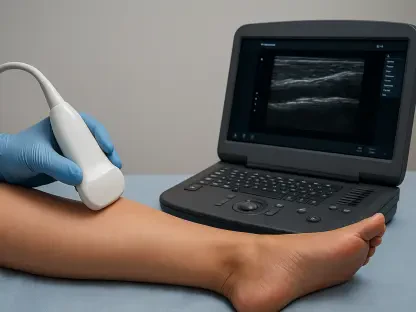

The transition to value-based care models allows independent practices to prioritize patient outcomes and education over the traditional volume of office visits and tests. In the current medical climate of 2026, Pennsylvania primary care physicians are increasingly leveraging Continuous Glucose Monitors (CGMs) to provide a level of oversight that was once reserved for specialized endocrinology clinics. For decades, the primary tool for blood sugar management was the manual finger-prick method, which many patients found physically painful and psychologically taxing. This antiquated approach often led to inconsistent monitoring and significant data gaps, leaving both patients and doctors guessing about the impact of specific meals or activities. By contrast, a CGM utilizes a small, discreet sensor on the arm to provide a continuous stream of glucose readings. This technology transforms diabetes management from a reactive struggle into a data-driven partnership that emphasizes patient empowerment and clinical precision.
Transitioning: Moving Toward Value-Based Healthcare Models
Building upon the foundational shifts in technology, the movement toward value-based healthcare models has provided the necessary financial framework for these innovations to flourish in Pennsylvania. Unlike the traditional fee-for-service system, which reimbursed providers based on the sheer quantity of procedures and consultations, value-based care prioritizes the actual health status of the patient. Organizations like Aledade have been instrumental in this transition, helping independent primary care practices align their operations with quality-driven metrics. This model incentivizes physicians to spend more time on comprehensive education and chronic disease management rather than rushing through a high volume of appointments. When the financial success of a practice is tied to long-term patient wellness, the implementation of advanced monitoring tools like CGMs becomes a logical and necessary investment. It allows doctors to monitor trends remotely and adjust treatment plans with a high degree of precision.
This systemic shift empowers independent medical practitioners to provide a higher standard of personalized, preventative care while maintaining financial viability in a competitive landscape. By focusing on quality outcomes, primary care providers use continuous data to prevent expensive and dangerous complications before they escalate into medical emergencies. When physicians have access to two-week reports detailing a patient’s glucose fluctuations, they can intervene with targeted advice before a situation requires a costly hospital visit. This approach not only improves the individual patient experience but also strengthens the overall health of the community. Primary care offices are no longer just places for sick visits; they have evolved into command centers for long-term health management. This evolution is particularly crucial for independent practices that aim to offer a more intimate and specialized experience than large, impersonal hospital systems.
Clinical Results: Evidence From the Primary Care Setting
Rigorous clinical evidence supports this technological transition, with recent studies published in the Journal of the American Medical Association (JAMA) highlighting significant health improvements. The data indicates that when primary care clinicians initiate CGM use for adults with insulin-treated diabetes, there is a substantial reduction in hemoglobin A1c levels. This metric is the gold standard for measuring average blood sugar over a period of several months, and its improvement is directly linked to better long-term health outcomes. The objective nature of the data provided by these monitors eliminates the unreliability of self-reported blood sugar logs, which were often incomplete or inaccurate. By having a clear and continuous view of a patient’s metabolic state, physicians can make more informed decisions regarding medication dosages and lifestyle interventions. This precision is vital for managing a complex chronic condition that varies significantly from one person to another.
Beyond individual patient markers, the widespread adoption of these monitors contributes to broader systemic benefits for the Pennsylvania healthcare infrastructure. Reducing the frequency of acute diabetic episodes directly leads to fewer hospitalizations and emergency department visits, which are among the most expensive components of modern medicine. As the medical community reaches a consensus on these benefits, there is a growing push to expand CGM implementation across all primary care environments in the state. This expansion aims to optimize diabetes outcomes on a population level, potentially reducing the massive economic burden that chronic disease places on public and private resources. The integration of real-time monitoring into standard primary care protocols represents a shift toward a more sustainable and effective healthcare system. It moves the needle from crisis management to continuous health optimization, ensuring that resources are used efficiently while improving quality of life.
Personalized Nutrition: Moving Beyond Generic Dietary Advice
A significant breakthrough provided by CGM technology is the move away from generalized, one-size-fits-all dietary recommendations that often frustrated patients in the past. Historically, patients were given a generic list of restricted foods, which failed to account for the unique biological responses each individual has to carbohydrates and sugars. Real-time data has revealed that these responses are highly individualized; for example, a food item that causes a dangerous spike in one person might be perfectly safe for another. Physicians have observed these variances in local practices, noting how specific choices can be tailored to a patient’s unique chemistry rather than relying on broad medical assumptions. This personalized insight helps patients move away from restrictive, all-or-nothing diets and toward sustainable lifestyle choices. When patients can see the immediate impact of a meal on their monitor, they are much more likely to remain engaged and motivated.
The objective nature of continuous data also plays a critical role in bridging the communication gap between patients and their healthcare providers. In many cases, patients who are working hard to maintain a healthy lifestyle may feel a sense of personal failure if their blood sugar levels remain high. However, when a monitor shows that a patient is following a nutritious diet but their glucose is still uncontrolled, it helps both parties realize that the issue may be physiological rather than behavioral. This clarity makes it significantly easier for patients to accept necessary medical interventions, such as insulin therapy or modern GLP-1 medications, without feeling judged or discouraged. By removing the stigma associated with chronic disease progression, CGMs foster a more collaborative and positive relationship between the doctor and the patient. This shift in perspective is essential for long-term success, as it focuses on problem-solving rather than assigning blame for clinical results.
Overcoming Barriers: Financial Challenges and Advocacy
Despite the undeniable clinical advantages, several financial and logistical hurdles continue to limit the accessibility of CGM technology for many residents in Pennsylvania. While the FDA recently approved the first over-the-counter options, the out-of-pocket costs remain a significant barrier for individuals without comprehensive insurance coverage. Monthly expenses for the necessary sensors can reach several hundred dollars, making the technology prohibitive for many low-income families. Furthermore, many insurance providers still prioritize coverage only for patients who require regular insulin injections, often excluding those with non-insulin-treated Type 2 diabetes. This creates a disparity in care where the most advanced tools are not always available to the people who could benefit from them the most. Addressing these financial gaps is a primary concern for healthcare advocates who believe that preventative technology should be accessible to all patients, regardless of their socioeconomic status.
In response to these challenges, primary care practices are increasingly taking on the role of patient advocates to ensure that life-saving technology is within reach. Doctors and their administrative teams spend significant time navigating the complexities of insurance entitlements and seeking prior authorizations to reduce costs for their patients. They are also working to integrate CGM technology with low-cost educational resources and community support programs to maximize the value of the data collected. By finding creative ways to bypass traditional financial barriers, these practices are helping to close the gap between clinical potential and practical affordability. The long-term goal is to demonstrate to insurance companies that the cost of providing a monitor is far lower than the cost of treating a major complication. As more data becomes available, the pressure on insurers to provide universal coverage for Type 2 diabetes patients continues to mount, promising a more equitable future for all.
The Multi-Modal Future: Actionable Steps for Management
The future of diabetes management in Pennsylvania relied on a multi-modal strategy that combined cutting-edge technology with tailored nutritional support and pharmaceutical care. Innovative pilot programs, such as those involving LifeChef Health, tested the synergy between CGMs and nutritiously tailored meal delivery services. These programs provided patients with dietitian-approved meals alongside continuous monitoring, ensuring that every aspect of their health was addressed simultaneously. This comprehensive approach recognized that no single tool functioned as a silver bullet; rather, it was the combination of data, education, and proper nutrition that yielded the best results. By moving these interventions out of specialized hospital settings and into the hands of local primary care doctors, the medical community made chronic disease management more accessible. This strategy focused on addressing the root causes of metabolic issues, leading to more sustainable improvements in public health.
Ultimately, the integration of a steady flow of data into primary care fundamentally changed the narrative of diabetes treatment across the state. By moving technology out of specialized clinics and into the hands of local doctors, the medical community made chronic disease management more accessible and less intimidating. These overarching findings suggested that CGMs empowered patients to take ownership of their health by providing immediate proof of how daily habits affected their bodies. For the physician, the technology provided a roadmap for personalized treatment plans that went beyond generic advice. While financial hurdles remained a factor, the documented improvements in A1c levels and the reduction in hospitalizations provided a compelling argument for expansion. Moving forward, providers should focus on streamlining data integration and advocating for broader insurance coverage to ensure these tools are available to every patient who needs them to survive and thrive.