
The inherent logistical and financial hurdles of inpatient epilepsy monitoring units often result in regional waiting lists spanning six to twelve months. This persistent bottleneck in neurological care creates a dangerous period of uncertainty for patients who require urgent diagnostic clarity to manage their conditions effectively. A recent peer-reviewed clinical report by Dr. Timothy Ryan, published in Frontiers in Neuroscience, highlights a significant shift in how these challenges are being addressed through the implementation of extended-duration wearable wireless electroencephalography. By moving the diagnostic window from brief, highly controlled clinical environments into the unpredictable setting of a patient’s daily life, technology is bridging the gap that traditional monitoring has long struggled to close. This evolution is particularly critical for capturing rare or exertion-triggered neurological events that frequently occur outside the reach of hospital-based equipment. The study specifically evaluates the REMI Remote EEG Monitoring System, a platform that facilitates observation periods of up to thirty days, providing clinicians with the necessary data to guide pharmacological interventions and prevent unnecessary medical restrictions on patient lifestyles.
Innovations in Wireless EEG Architecture
Strategic Sensor Placement: Maximizing Temporal Acuity
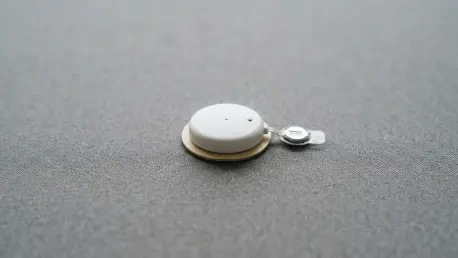
The technical architecture of the REMI system represents a fundamental departure from the traditional “full-montage” approach that has dominated neurodiagnostics for decades. Rather than focusing on high spatial density, which requires a large number of electrodes spread across the entire scalp, this platform prioritizes temporal acuity—the ability to maintain high-quality monitoring over an extended duration of weeks rather than hours. The hardware utilizes four low-profile, disposable, and wireless sensors that are placed at strategic below-the-hairline locations. This specific placement is designed to create a ten-channel derivation montage that focuses on the frontal and anterior temporal lobes. Since the vast majority of focal seizures originate in these regions, the system captures high-value diagnostic information without the need for the bulky and invasive wiring common in standard ambulatory setups. This streamlined configuration ensures that the equipment is unobtrusive enough for continuous wear during work, sleep, and social interactions, allowing the diagnostic process to integrate seamlessly into the patient’s normal routine.
By focusing on these specific neuroanatomical regions, the four-sensor system optimizes the signal-to-noise ratio in areas most likely to produce pathological electrical discharges. Two sensors are positioned in the frontal region, corresponding to the F7 and F8 positions in the International 10–20 system, while the remaining two are placed behind the ears over the mastoids, equivalent to the T5 and T6 positions. This orientation allows neurophysiologists to observe the evolution of rhythmic activity and postictal slowing with a high degree of confidence. The decision to sacrifice the high spatial resolution of a nineteen-channel system for the increased duration of a four-sensor wearable is a calculated clinical trade-off. For many patients, the primary diagnostic question is not exactly where a seizure is occurring for surgical purposes, but whether a seizure is occurring at all. By providing a full month of data, the system addresses the sporadic nature of epilepsy, ensuring that even infrequent events are recorded and characterized, which would be statistically impossible during a standard twenty-minute office-based EEG.
Wireless Connectivity: The Cloud-Based Infrastructure
The modern shift toward remote monitoring is underpinned by advanced connectivity and data management protocols that ensure patient data is both accessible and secure. The REMI system utilizes Bluetooth Low Energy to transmit data from the wearable sensors to a mobile hub, which then encrypts and uploads the recordings to a secure cloud server. This infrastructure allows for an asynchronous review process, which is a major advancement over traditional ambulatory studies. In older models, a clinician had to wait for the patient to return the physical equipment to the office before the data could be downloaded and analyzed. With the transition to cloud-based storage, neurophysiologists can perform periodic check-ins on a patient’s brain activity throughout the thirty-day monitoring period. This capability allows for real-time adjustments to treatment plans or the early termination of a study if a definitive diagnosis is reached sooner than expected, thereby increasing the overall efficiency of the diagnostic pipeline.
Furthermore, the integration of cloud computing addresses the logistical challenges associated with managing the massive amounts of data generated during long-term monitoring. Storing weeks of high-resolution EEG data requires significant server capacity and robust encryption to meet modern privacy standards. The platform’s ability to synchronize data from multiple sensors and maintain a stable connection through a mobile hub ensures that there are minimal gaps in the recording, even as the patient moves through different environments. This level of reliability is essential for maintaining the integrity of the clinical study, as missing data during a critical event could lead to an inconclusive result. By leveraging these wireless technologies, the system provides a continuous stream of neurological information that was previously only available within the confines of an intensive care unit or a specialized epilepsy monitoring center. This democratization of high-level diagnostics is particularly beneficial for patients in rural areas or those who lack the means to travel to major medical hubs.
Enhancing Clinical Workflow and Outcomes
Redefining the Experience: Technicians and Patients
One of the most immediate benefits of implementing extended wearable EEG technology is the significant improvement in clinical workflow efficiency. Traditional wired EEG setups are labor-intensive, often requiring forty-five to sixty minutes of a specialized neurodiagnostic technician’s time to apply nineteen or more electrodes using conductive paste or collodion. In the current medical climate, where there is a notable shortage of these specialized professionals, such a time commitment can severely limit the number of patients a clinic can evaluate. In contrast, the REMI wireless system can be applied in fifteen to twenty minutes, and technicians often achieve proficiency after only a single thirty-minute training session. This reduction in setup time allows healthcare facilities to process a higher volume of patients while reducing the physical and cognitive burden on staff members. The simplicity of the application process also means that monitoring can be initiated in a wider variety of clinical settings, including community hospitals and outpatient clinics that may not have full-time EEG departments.
Patient experience has also undergone a radical transformation thanks to the move toward wireless, water-resistant hardware. Standard ambulatory monitoring often “tethers” a patient to a recording box, making activities like showering or exercising nearly impossible and creating a social stigma that can lead to non-compliance. The wearable sensors used in the REMI system are designed to be detached and reapplied by the patient, using fresh adhesive strips provided in a home kit. This flexibility allows patients to maintain their personal hygiene and engage in their normal physical activities without compromising the study. Long-term tolerance is a critical factor in diagnostic success, as skin irritation from traditional electrode paste often causes patients to terminate studies prematurely. By providing a more comfortable and less intrusive option, the system ensures that the monitoring period can be extended to the full thirty days required to capture infrequent neurological events. This improved compliance directly leads to higher diagnostic yields and more accurate clinical conclusions.
Leveraging AI: Vigilenz for Data Synthesis
Monitoring a patient’s brain activity for a full month produces an overwhelming volume of data that would be impossible for any clinician to review manually without the assistance of advanced computational tools. To solve this problem, the platform integrates REMI Vigilenz AI, an FDA-cleared machine learning algorithm designed to scan continuous multichannel EEG streams. The software is trained to identify potential electrographic events that last ten seconds or longer, which are the most likely indicators of seizure activity. These events are then categorized into different confidence tiers, allowing the reviewing neurophysiologist to prioritize segments that the AI has flagged as high-probability pathology. This collaborative approach between human expertise and machine intelligence transforms what would be a weeks-long review process into a manageable daily task, ensuring that clinicians can focus their attention on the most relevant data points without becoming fatigued by the sheer volume of information.
The effectiveness of this AI-driven synthesis is supported by validation data showing that even reviewers who are unfamiliar with this specific sensor montage can achieve high sensitivity and positive predictive values when using the software’s screening tools. The algorithm maintains an exceptionally low false-detection rate, which is vital for preventing “alarm fatigue” among medical staff. It is important to emphasize that while the AI performs the heavy lifting of data triage, the final diagnostic interpretation remains the sole responsibility of a qualified physician. This synergy ensures that the speed of automated analysis is balanced by the nuanced judgment of a medical professional. As the technology continues to evolve throughout 2026 and into 2027, these algorithms are expected to become even more refined, potentially identifying subtle patterns in interictal activity that could predict the onset of a seizure before it occurs. This proactive approach to data analysis represents a significant leap forward in the management of chronic neurological disorders.
Real-World Applications and Strategic Trade-offs
Clinical Case Studies: Resolving Diagnostic Uncertainty
The practical utility of extended wearable EEG is best illustrated through the real-world case studies presented in the clinical report. These cases demonstrate how the technology resolves complex diagnostic dilemmas that standard methods often fail to address. In one instance, a thirty-nine-year-old woman with a history of childhood epilepsy experienced a return of symptoms after a decade of stability. Because her episodes occurred weeks apart, multiple routine EEGs were unable to capture any abnormalities. By utilizing the extended wearable system beyond the standard seventy-two-hour ambulatory window, clinicians were able to record three distinct focal seizures. This definitive electrographic evidence allowed for the initiation of targeted pharmacological treatment, which successfully stabilized her condition. This case underscores the importance of temporal acuity in diagnosing patients whose seizure frequency does not align with the short windows of traditional testing.
Another case highlighted the system’s ability to distinguish between epileptic seizures and physiological responses to physical stress. A fifty-seven-year-old male reported patterned breathing and consciousness changes that only occurred during intense manual labor. Because traditional wired EEG systems are highly sensitive to movement artifacts, it is often impossible to get a clear reading during physical exertion. However, the low-profile wireless sensors remained stable while the patient worked his shift. The resulting data showed a normal background rhythm with no electrical correlates of a seizure, confirming that his symptoms were not related to epilepsy. This allowed the clinical team to avoid prescribing unnecessary antiseizure medications, which often carry significant side effects, and permitted the patient to continue his career without medical restrictions. These real-world applications highlight how extended monitoring provides both the positive data needed to confirm a diagnosis and the negative data required to rule out one.
Navigating Limitations: Balancing Innovation and Accuracy
While the benefits of extended wearable EEG are extensive, the clinical report also maintains a balanced perspective by outlining the inherent limitations of the current technology. The primary strategic trade-off involves spatial resolution; because the system uses only four sensors localized to the forehead and mastoids, it is less sensitive to seizures originating in deep-seated midline structures or the occipital lobe at the very back of the brain. A “normal” result on a limited-montage system does not entirely rule out the possibility of epilepsy if clinical suspicion remains high for those specific neuroanatomical regions. Therefore, clinicians must use the wearable system as one tool within a broader diagnostic framework, sometimes following up with a more intensive EMU admission if the initial wearable study is inconclusive but symptoms persist. This nuanced understanding of the technology’s boundaries is essential for maintaining high standards of patient care.
Additionally, there are practical and environmental factors that patients and providers must consider when using these devices. The sensors contain metallic elements, which means they must be removed before the patient undergoes certain medical imaging procedures, such as an MRI or a CT scan. There is also the potential for signal interference from external electronic devices or physical interference from tight-fitting headgear, which can press the sensors into the skin and cause discomfort or data artifacts. Educating patients on the proper maintenance and positioning of the sensors is crucial for ensuring the quality of the thirty-day recording. Despite these challenges, the trade-offs are often viewed as acceptable given the immense increase in diagnostic yield for rare events. As the field progresses, future iterations of the hardware may incorporate more flexible materials or additional sensor locations to further mitigate these limitations while maintaining the ease of use that makes the system so effective.
Future Perspectives: Evolving the Diagnostic Standard
The evaluation of extended-duration wireless EEG concluded that this technology significantly advances the practical management of suspected seizure disorders. By integrating wearable convenience with cloud-based data management and artificial intelligence, the system allows neurologists to monitor patients in their natural environments for periods previously considered impractical. The results demonstrated that increasing the duration of monitoring was often more valuable than increasing the number of electrodes for the purpose of initial diagnosis. This approach provided a crucial middle ground for patients whose symptoms were too infrequent for short-term clinical visits but did not yet justify the high cost and logistical burden of a full hospital admission. The success of the clinical cases highlighted in the report served as a clear indicator that the future of neurology lies in data-rich, patient-centric monitoring solutions.
Moving forward, the focus shifted toward integrating these long-term data streams more deeply into personalized medicine. The ability to capture “invisible” or subtle seizures, such as temporal lobe auras that present as simple sensory changes, proved that many patients had been underdiagnosed or mismanaged under older paradigms. Actionable steps for the industry now include the expansion of these monitoring protocols to primary care and community health settings to reduce the burden on specialized epilepsy centers. Furthermore, the findings suggested that the negative predictive value of a thirty-day normal EEG provided patients with peace of mind and prevented the lifelong complications of unnecessary pharmacological intervention. As healthcare systems continue to adapt to personnel shortages and the need for cost-effective care, these low-overhead, high-duration monitoring systems offered a scalable and effective path toward improving outcomes for millions of individuals living with the uncertainty of neurological conditions.