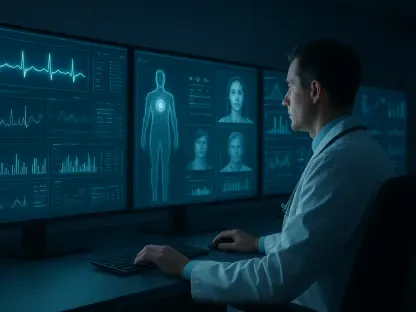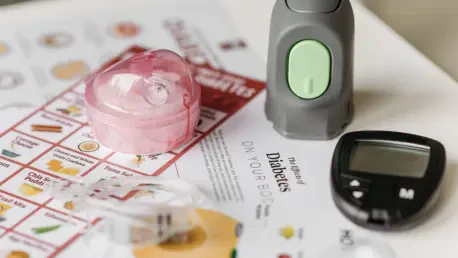
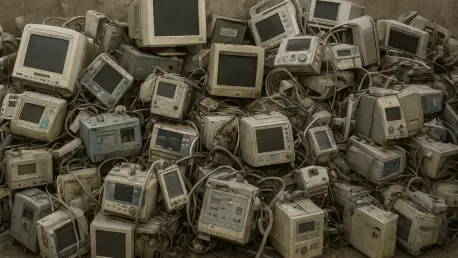
The rapid proliferation of sophisticated medical electronics has created an urgent environmental dilemma as millions of high-tech devices are discarded annually without sufficient recovery or recycling frameworks to handle the complex waste. As healthcare providers increasingly rely on continuous

The shift toward electronic prescriptions and structured digital reviews for chronic conditions eliminates the need for paper handling and repeated travel for many patients. This modern infrastructure is no longer a peripheral convenience but the central nervous system of contemporary medicine. As
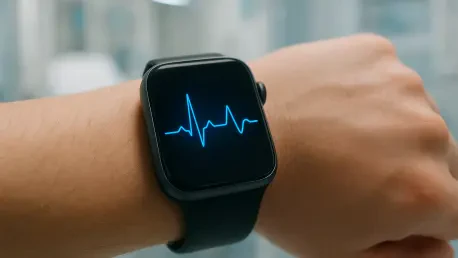
Context-aware security systems must determine if a sudden flood of network traffic is a cyberattack or a legitimate response to a patient's physical distress. This critical distinction is the cornerstone of patient safety in the increasingly connected world of the Internet of Medical Things (IoMT).
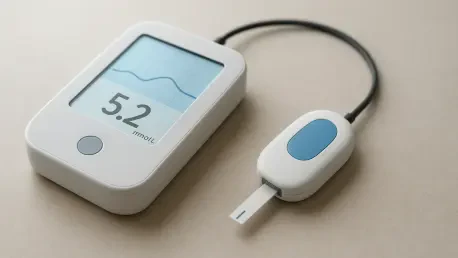
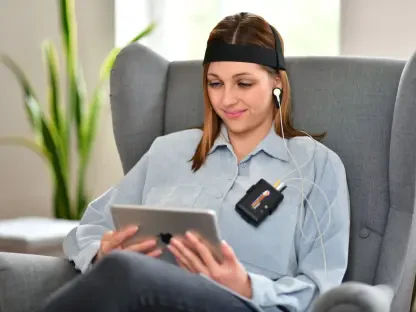
Rigorous clinical validation and data privacy regulations remain significant hurdles for the commercialization of connected home-use devices. Yet, the landscape of modern medicine is currently undergoing a seismic shift, moving away from centralized, expensive laboratory testing toward
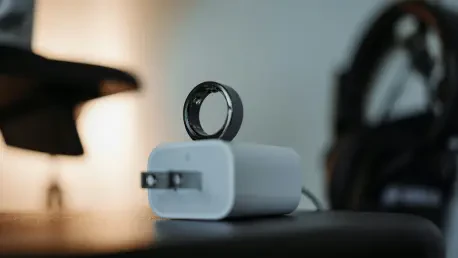
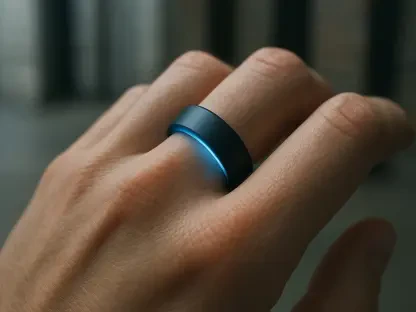
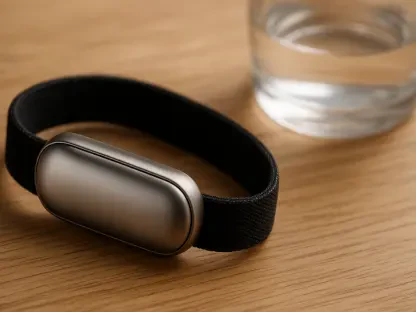
While it lacks the built-in GPS and electrocardiogram functions found in competitors, the Oura Ring 5 excels as a dedicated tool for analyzing long-term recovery and sleep architecture. That trade-off defines the entire device. Instead of trying to behave like a tiny computer on the finger, it aims
Lung cancer screenings are now highly targeted toward adults aged fifty to eighty who possess a twenty pack-year smoking history and have used tobacco within the last fifteen years. This specific guideline illustrates the broader shift in 2026 toward personalized medicine, where chronological age