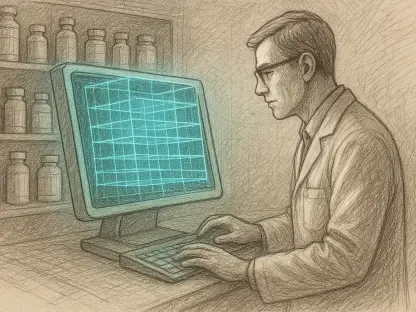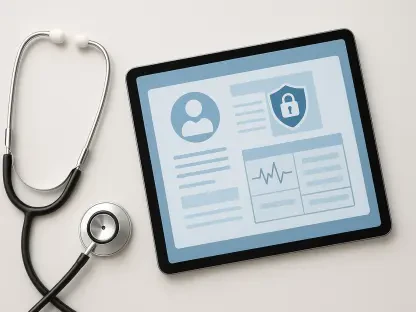

The shift toward electronic prescriptions and structured digital reviews for chronic conditions eliminates the need for paper handling and repeated travel for many patients. This modern infrastructure is no longer a peripheral convenience but the central nervous system of contemporary medicine. As of early 2026, the transition from fragmented video consultations to fully integrated health ecosystems has matured, offering a seamless interface between clinical expertise and patient necessity. This profound structural shift represents a departure from speculative trends, cementing digital tools as foundational elements of healthcare delivery. By prioritizing patient-centered care models, the industry is effectively dismantling long-standing systemic obstacles. These barriers, ranging from geographic isolation to administrative bottlenecks, previously dictated the quality and speed of care. Today, the focus is on optimizing clinical workflows, ensuring the path to effective resolution is as short and unobstructed as possible for everyone.
The Evolution of Medical Delivery
Strategic Reassessment: Clinical Proximity
The primary catalyst for this evolution is a strategic reassessment of which specific components of the medical journey truly require physical proximity. Historically, the patient experience was strictly linear and tethered to a physical location, a model that often resulted in significant administrative friction and logistical delays for both providers and seekers of care. Modern online healthcare effectively separates the information-based clinical process from the physical intervention, allowing for a far more fluid interaction between patients, physicians, and pharmacies. This decoupling means that data-intensive tasks—such as updating medical histories or reviewing ongoing medication efficacy—can occur asynchronously. Consequently, the reliance on synchronous, in-person visits has diminished for non-urgent matters, freeing up valuable time for clinicians. This flexibility is essential for maintaining a high standard of care while managing the increasing demands of a growing population.
Maximizing Efficiency: Digital Integration
Telehealth platforms now facilitate specialized consultations within mere minutes, offering a stark contrast to the multi-day or even multi-week wait times that were common in traditional clinic settings just a few years ago. This digital integration is characterized by its ability to maximize clinical efficiency without compromising the integrity of the diagnostic process. By focusing on data-heavy interactions such as symptom reporting, pathology interpretation, and biometric data analysis, the digital model ensures that medical professionals can make informed decisions rapidly. Furthermore, the automation of routine documentation and the streamlining of referral pathways have allowed doctors to spend more time on high-value cognitive tasks rather than repetitive paperwork. As these systems continue to evolve through the remainder of 2026, the emphasis remains on creating a friction-less environment where clinical knowledge is instantly accessible to those who require immediate medical attention.
Clinical Efficiency and Patient Engagement
Practical Applications: Routine Management
A clear example of this enhanced efficiency is found in the management of routine conditions, such as simple infections, where digital platforms allow for same-day consultation and treatment. In a traditional setting, a patient might have been forced to wait several days for an available appointment slot, potentially allowing a minor infection to escalate into a more severe systemic issue. While the eventual clinical outcome—the administration of targeted antibiotics—remains identical regardless of the delivery method, the digital path significantly reduces the burden on the patient while preserving physical clinic capacity. By diverting these high-volume, low-complexity cases to online interfaces, the healthcare system ensures that general practitioners can reserve their physical exam rooms for patients with complex diagnostic needs. This triage effect is vital for maintaining the sustainability of the medical network, especially during periods of high seasonal demand or health stress.
Proactive Care: Real-Time Monitoring
Beyond the obvious benefit of convenience, this shift fosters a deeper level of patient engagement by responding to individual needs at the exact point of requirement. The integration of real-time health monitoring and AI-supported diagnostics empowers patients to take a more proactive approach to their personal wellness rather than waiting for symptoms to become unbearable. Digital tools also play a critical role in addressing geographic inequities by removing distance barriers, effectively expanding the reach of the medical system to rural and regional populations that were previously underserved. When patients can access a specialist via a secure link from their own home, the quality of care is no longer determined by their proximity to a major metropolitan center. This democratization of access ensures that health outcomes are more consistent across diverse demographics, creating a more equitable landscape for all citizens regardless of their physical location or socio-economic background.
The Future of the Healthcare Ecosystem
A Bifurcated Model: Hybrid Care
It is important to recognize that online healthcare functions as a sophisticated supplement rather than a total replacement for the foundational elements of traditional medicine. Digital platforms, despite their advanced capabilities, cannot perform certain physical assessments, such as palpating a suspicious lump or conducting the nuanced, holistic observations that occur during an in-person visit. Consequently, the medical sector is moving toward a bifurcated model where routine, manageable care is handled digitally, while complex, emergency, and hands-on care remains centered in physical clinics. This balanced approach ensures that the human touch is preserved where it is most clinically relevant, while technology handles the logistical heavy lifting elsewhere. By clearly defining the boundaries between digital and physical care, the industry can ensure that patients receive the most appropriate type of intervention for their specific condition, optimizing both safety and satisfaction.
Strategic Realignment: Health-Tech Stakeholders
For stakeholders and industry leaders, this transformation represents a significant structural opportunity that requires more than just the simple digitization of existing manual practices. Success in the health-tech sector depends on leveraging digital capabilities to provide speed, continuity, and deep data integration while maintaining strict regulatory integrity and patient privacy. By siphoning off high volumes of routine consultations, digital tools improve the overall health ecosystem, allowing specialists to focus their expertise on patients whose conditions require tactile intervention or complex surgical procedures. The investment in robust digital infrastructure today creates a resilient system capable of handling the demographic shifts and rising chronic disease rates expected from 2026 to 2030. This strategic realignment is not merely about technological adoption but about rethinking the entire value proposition of healthcare to prioritize agility, accuracy, and patient empowerment.
Establishing a Resilient Framework for Care
The evolution of medical delivery successfully established a framework where technology served as a reliable bridge between patient needs and clinical solutions. By focusing on actionable data and removing the friction of physical distance, the healthcare system moved toward a more responsive and inclusive model. These developments ensured that patients accessed care with unprecedented speed. Furthermore, the integration of predictive analytics and wearable technology facilitated a transition from reactive treatment to preemptive care. Healthcare providers prioritized the adoption of interoperable systems that allowed for seamless data sharing across platforms, ensuring that a patient’s digital history followed them through every stage of their journey. This strategic focus fostered a more holistic view of individual health, which ultimately led to better outcomes and more sustainable costs. These pathways complemented the essential human elements of medicine, creating a truly future-ready system.