
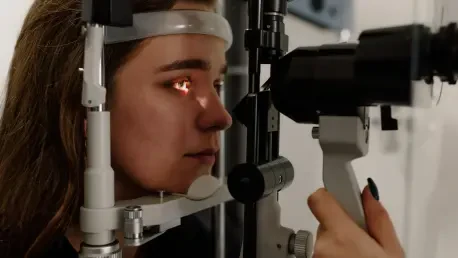
Clinical expertise no longer guarantees financial stability for ophthalmic practices as billing rules diverge across different insurance models. The landscape of eye care reimbursement has shifted from a standardized framework to a fragmented system where the payer's identity dictates clinical

International systems like the Association of Zoos and Aquariums’ Antivenom Index serve as vital models for locating rare treatments in time-sensitive medical scenarios. This necessity became painfully clear during a recent emergency at Lausanne University Hospital in Switzerland, where a

Dr. Wachter contends that the inefficiencies of the modern healthcare system have reached a point where maintaining the current status quo is an immoral choice. This provocative stance served as the foundation for his keynote address at the American Academy of Ophthalmology 2026 Annual Meeting,

Providing a dedicated space for non-life-threatening conditions like ear infections and stomach ailments, the new Fontana clinic helps alleviate the dangerous overcrowding in traditional emergency departments. For years, families in the Inland Empire faced the harrowing prospect of waiting eight to

The recent transfer of oversight for regional national university hospitals from the Ministry of Education to the Ministry of Health and Welfare has exposed a deep-seated systemic crisis that threatens the very foundation of South Korea's public medical infrastructure. This administrative shift,

Value-Based Insurance Design suggests that eliminating co-payments for high-value therapies can improve health equity without increasing the risk of inappropriate utilization. This principle serves as the cornerstone for a necessary evolution in American healthcare as the industry navigates the