
Cultural interpretations of neurological deficits frequently lead families to seek help from spiritual practitioners or traditional healers before contacting medical professionals. This reality highlights the profound disconnect between modern medical requirements and the operational environment in many parts of Africa. The biological reality of an acute ischemic stroke is a relentless race against time where every second counts, yet the systems meant to win this race are often absent. Scientific consensus consistently highlights that “time is brain,” as nearly 1.9 million neurons perish every single minute a stroke remains untreated. This rapid decay requires immediate medical interventions, such as thrombolysis or thrombectomy, which are only effective within a narrow therapeutic window of just a few hours. However, a recent comprehensive review in the International Journal of Emergency Medicine exposes a staggering disconnect between these clinical needs and the operational reality across the African continent. In most regions, prehospital systems are either fragmented or entirely nonexistent, causing the vast majority of victims to arrive at hospitals far too late for life-saving care. This systemic failure is not merely a logistical oversight but a public health emergency that demands a unified response to prevent thousands of avoidable deaths as the population grows and ages.
The Rising Health Crisis in African Nations
Understanding the Escalating Burden of Stroke
Africa is currently facing a dramatic shift in its epidemiological profile, moving from a focus on infectious diseases to a staggering rise in non-communicable conditions. Between 1990 and 2019, the continent witnessed a 70 percent increase in stroke incidents, a trend that has continued into the current decade. This crisis is most severe in sub-Saharan Africa, which shoulders nearly 90 percent of the global stroke-related death and disability burden. The rising prevalence of hypertension, diabetes, and sedentary lifestyles, coupled with an aging population, has created a perfect storm for cerebrovascular events.
Statistics show that in some African communities, the annual stroke incidence has reached 316 per 100,000 people, a figure that rivals or exceeds those found in high-income nations. Even more distressing is the high case fatality rate observed across the region; over 80 percent of African stroke survivors die within three years of the initial event, compared to only 34 percent in wealthier countries. This disparity highlights a fundamental failure in both acute management and long-term support systems, where the lack of immediate intervention leads to more severe brain damage and higher post-stroke mortality.
Analyzing Research Gaps and Data Concentration
To map the landscape of emergency medical services (EMS) and prehospital stroke pathways, researchers performed an exhaustive search of major databases for literature spanning several decades up to the current year. A significant finding of this methodology was the incredibly uneven distribution of available data. Most detailed operational information regarding stroke response is concentrated in just three countries: Ghana, Nigeria, and South Africa. This suggests that the current understanding of the continent’s stroke crisis is based on a very small and potentially more developed subset of nations.
This research gap indicates that while the documented situations in these three nations are dire, the reality in the other 51 African nations may be even more catastrophic. The lack of standardized reporting and health system audits across the rest of the continent obscures the true scale of the emergency medical framework deficit. Without comprehensive data from a wider variety of low-income and rural settings, policymakers struggle to implement targeted interventions that could address the unique logistical and cultural challenges present in less-studied regions.
Infrastructural Failures and Geographic Disparities
Identifying Deficits in Continental Emergency Infrastructure
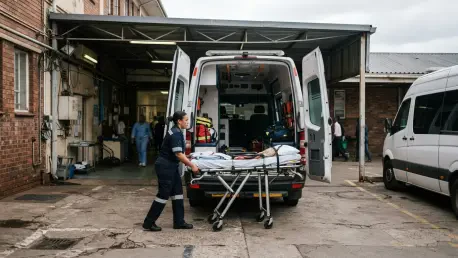
The core of the crisis lies in the extreme scarcity of formal emergency infrastructure across the continent. A comprehensive survey of 49 African countries revealed that only about 30 percent possess any documented EMS system, leaving 33 nations with no formal framework for emergency response at all. Financing is equally problematic, as only 19 percent of these countries maintain government-funded services. Consequently, it is estimated that fewer than 9 percent of the total continental population has access to any form of structured medical assistance during a crisis.
Most existing services are limited to “Basic Life Support” and are heavily concentrated in capital cities or major commercial hubs. This leaves rural populations, who make up a significant portion of the continent’s residents, entirely isolated from emergency care. In these underserved areas, the lack of a toll-free public emergency telephone number and a shortage of ambulances mean that residents must rely on unreliable private transport. This geographic disparity ensures that a patient’s survival often depends more on their location than on the severity of their medical condition.
Examining Regional Case Studies in EMS
Specific national contexts further illustrate how these systemic failures manifest on the ground for stroke victims. In Ghana, public perception remains a major hurdle to effective care; many residents associate ambulances with the transport of the deceased and prefer private taxis for medical emergencies. In Nigeria, emergency care is highly fragmented and expensive, with ambulance response times in Lagos ranging anywhere from 7 to 60 minutes. High out-of-pocket costs create a financial barrier that prevents many families from seeking help until it is far too late.
South Africa possesses the continent’s most sophisticated EMS, featuring provincial networks and centralized dispatch, yet it still struggles with system integration. Patients frequently bypass the formal EMS in favor of private cars, which prevents the use of standardized prehospital screening tools. Furthermore, a lack of hospital pre-arrival notification systems means that clinical teams are rarely prepared to receive stroke cases. This results in wasted time upon arrival as the hospital staff begins the diagnostic process from scratch rather than mobilizing in advance.
Behavioral and Clinical Obstacles to Treatment
Measuring Pooled Clinical Timelines and Delays
The cumulative effect of infrastructure gaps is a massive delay in hospital presentation for stroke victims across Africa. A 2025 meta-analysis found a prehospital delay prevalence of 80 percent, with median arrival times reaching 20 hours in Mozambique and 24 hours in Ethiopia. These timelines are far beyond the 4.5-hour critical window required for effective intravenous thrombolysis. In Ghana, only 12.8 percent of patients reach a hospital within this timeframe, effectively disqualifying the vast majority from receiving modern medical therapies.
These extensive delays are not merely numbers; they represent lost opportunities for recovery and the high probability of permanent disability. When a patient arrives 24 hours after symptom onset, the brain tissue has already suffered irreversible necrosis, making reperfusion therapies useless and sometimes dangerous. The lack of rapid transport and triage means that the most advanced medical treatments available in tertiary hospitals remain inaccessible to those who need them most, perpetuating a cycle of disability and poverty for survivors and their families.
Addressing Socio-Cultural Barriers and Literacy
Delays are not only caused by poor roads or a lack of ambulances but are also deeply rooted in a lack of stroke literacy and conflicting cultural beliefs. In countries like Uganda and Ghana, surveys have shown that a majority of the population cannot identify the brain as the organ affected by a stroke. Many people attribute sudden neurological deficits to “evil spirits,” spiritual attacks, or extreme exhaustion. These interpretations lead families to prioritize visits to traditional healers or religious leaders over medical facilities during the most critical hours.
Even when families consider biomedical care, they often stop at local pharmacies first for general medications, further delaying specialized neurological evaluation. This behavioral pattern is compounded by a lack of awareness regarding the warning signs of a stroke, such as facial drooping or speech difficulties. Without public health campaigns to improve stroke literacy and bridge the gap between traditional beliefs and modern medicine, the time-sensitive nature of stroke treatment will continue to be ignored by those in the middle of a crisis.
Institutional Bottlenecks and Future Strategies
Managing In-Hospital Bottlenecks and Screening Limitations
The crisis continues even after a patient reaches a medical facility due to significant in-hospital bottlenecks that further consume the therapeutic window. At major teaching hospitals, the time required for triage and neuroimaging often exceeds two hours. In many instances, the delay in obtaining a CT scan is enough to push a patient past the treatment window, even if they arrived at the hospital on time. These internal delays are often the result of understaffed radiology departments or broken equipment that forces patients to seek imaging at private facilities.
Furthermore, Western-designed screening tools like the FAST mnemonic may not be as effective in African contexts. Some studies have shown that these tools have low specificity in certain regions and frequently miss “posterior circulation” strokes, which may present with symptoms like dizziness or vision loss that are interpreted differently in local cultures. The reliance on tools that were not validated for African populations can lead to misdiagnosis or a failure to prioritize stroke patients in crowded emergency rooms, further exacerbating the poor outcomes.
Implementing Strategic Recommendations for Comprehensive Reform
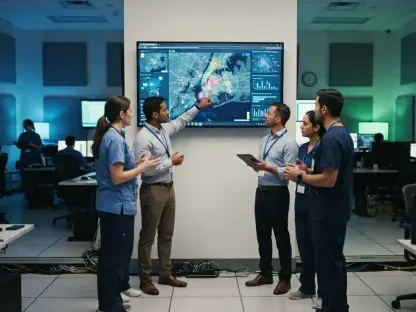
To address these multifaceted challenges, researchers established a multi-tiered approach tailored to resource-limited settings. A primary recommendation involved “task-shifting,” which trained community health workers to perform early stroke recognition and facilitate rapid triage. This strategy leveraged existing community networks to bypass the lack of formal EMS. Additionally, the development of culturally adapted screening tools in local languages proved essential for improving public awareness and reducing the initial delays caused by seeking help from traditional healers.
Financial and technological integration also played a key role in proposed solutions. Leveraging mobile health platforms improved communication between rural clinics and specialized centers, allowing for pre-arrival notifications. Governments were encouraged to integrate emergency transport into national insurance schemes to remove the out-of-pocket cost barrier. By implementing these integrated care pathways, health systems moved toward a model where the onset of symptoms triggered a coordinated response, finally bridging the gap between the community and definitive medical treatment.