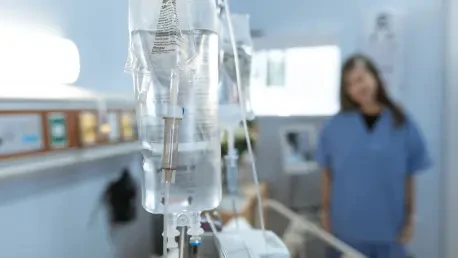

The integration of handheld terminals and real-time documentation platforms has successfully streamlined the flow of diagnostic and therapeutic orders in high-pressure resuscitation settings. This evolution in clinical workflow addresses the critical time-sensitivity inherent in managing septic shock, a condition where every minute of delay significantly correlates with an increased risk of mortality. By utilizing a nurse-led systematic model, healthcare facilities are now able to bridge the traditional gap between complex clinical guidelines and the frantic reality of bedside execution. The gold standard for immediate intervention, known as the 1-hour bundle, encompasses lactate measurement, blood culture collection, antibiotic administration, and fluid resuscitation, yet achieving consistent adherence has historically been hampered by hierarchical communication delays and fragmented documentation. This new approach empowers emergency nurses to take a central, proactive role in the resuscitation process, moving beyond the role of passive order-recipients to become the primary coordinators of the sepsis response team. This paradigm shift not only optimizes the speed of intervention but also ensures that the high-intensity environment of the emergency department is managed through a structured, data-driven protocol that prioritizes patient survival above traditional departmental silos.
Rigorous Methodology: Constructing a Validated Nursing Protocol
To ensure the new nursing model was both practical and scientifically sound, researchers utilized the Delphi method, consulting twenty experts across various medical disciplines including nursing management, infection control, and emergency critical care. These specialists refined the protocol through multiple rounds of rigorous evaluation to achieve a high degree of consensus, ensuring the framework was built on a foundation of expert authority and established clinical literature. The study population included adult patients meeting modern sepsis criteria treated during a period spanning from early 2026 through the end of 2028, ensuring the data reflects current medical practices and technological capabilities. By establishing high authority coefficients during the development phase, the team ensured that the resulting systematic nursing model was robust enough to withstand the pressures of a high-volume emergency resuscitation room while maintaining strict adherence to the latest global clinical guidelines for septic shock management.
For the analytical portion of the study, the research team employed propensity score matching to compare patients treated under the new nurse-led model against a control group receiving conventional care. This statistical technique was essential for neutralizing baseline differences in age, sex, and the severity of illness, as measured by Sequential Organ Failure Assessment scores and initial lactate levels. By balancing these variables, the researchers could more accurately attribute improvements in patient outcomes directly to the systematic nursing intervention rather than pre-existing patient characteristics or comorbidities. This level of methodological rigor provided a clear, objective view of how a structured nursing approach could fundamentally change the trajectory of septic shock. The focus remained entirely on isolating the impact of the nursing model, allowing for a detailed analysis of how standardized checklists and specialized training influenced the speed and accuracy of the 1-hour bundle delivery in real-world clinical scenarios.
Strategic Implementation: The Seven Pillars of Systemic Intervention
The nurse-led model is organized into seven distinct functional modules, beginning with the formation of a Sepsis Rapid Response Team and the integration of an automated electronic alarm system. When the hospital’s terminal identifies high-risk laboratory values or clinical scores, it triggers an immediate alert that bypasses traditional notification delays, requiring a preliminary nursing assessment within five minutes and a full multidisciplinary team presence at the bedside within fifteen minutes. This integration of technology and personnel ensures that the diagnostic process begins the moment a patient shows signs of circulatory failure, effectively eliminating the “wait-and-see” approach that often leads to avoidable complications. The electronic system automatically calculates severity scores, providing the nursing staff with an objective, real-time justification to mobilize resources and initiate the standardized resuscitation protocols without waiting for a physician’s formal bedside evaluation, thus saving precious minutes during the golden hour of care.
Efficiency is further maintained through a standardized 1-hour bundle checklist and an integrated information platform that utilizes handheld terminals and wristband scanning for real-time documentation. These digital tools allow nurses to track the completion of lactate measurements, blood cultures, and antibiotic initiation with high precision, creating a traceable and transparent record of care that reduces the risk of missed steps. Additionally, the model incorporates “zoned management” to address public health requirements and utilizes the Plan-Do-Check-Act cycle for continuous quality improvement. Every two weeks, the hospital-wide group meets to analyze any cases where bundle adherence was delayed, fostering an environment of iterative learning where the staff can refine their workflow based on actual performance data. This structural framework ensures that the nursing model is not a static set of rules, but a dynamic, evolving system that adapts to the specific needs of the patient population and the operational realities of the emergency department.
Clinical Performance: Analyzing Survival and Recovery Metrics
The implementation of this systematic nursing model led to a significant increase in 1-hour bundle adherence, nearly doubling the success rate compared to the conventional care group. While absolute adherence in high-volume settings remains a challenge, the structured approach effectively reduced the time required for blood culture collection, antibiotic infusion, and the initiation of fluid resuscitation. More importantly, this systematic approach translated into a dramatic rise in patient survival, with the 28-day survival rate improving from 70.23% to 81.30%. The 24-hour rescue success rate, which measures survival without cardiac arrest or in-hospital death in the first critical day, climbed to over 93% under the nurse-led protocol. These statistics provide compelling evidence that early, aggressive nursing intervention has a profound impact on stabilizing patients during the most critical window of septic shock, directly countering the rapid physiological decline that characterizes the condition.
The clinical benefits of the model extended well beyond initial survival, resulting in a more efficient recovery process and shorter stays in both the emergency department and intensive care units. Patients treated under the nurse-led protocol showed faster organ recovery by the seventh day and a significantly lower dependence on vasoactive agents, suggesting that the precise management of fluid resuscitation and earlier antibiotic coverage prevented long-term organ damage. Furthermore, the overall incidence of adverse events, such as arrhythmias and gastrointestinal distress, dropped significantly from 32.82% to 12.98% in the treatment group. This reduction indicates that the systematic nursing approach provided a more stable and controlled hemodynamic environment, minimizing the complications often associated with erratic or delayed resuscitation efforts. By focusing on the 1-hour bundle as a critical performance indicator, the model not only saved lives but also improved the quality of the recovery for those who survived the initial shock.
Strategic Recommendations: Future-Proofing Sepsis Care Delivery
The successful implementation of this nurse-led model at a major medical university provided a clear roadmap for other healthcare institutions seeking to reduce the global burden of sepsis-related mortality. By empowering emergency nurses with specialized training and advanced technological tools, the hospital successfully transformed the role of the nurse from a task-oriented assistant to a clinical leader in the resuscitation process. The model proved that when nurses were given the authority to trigger rapid response protocols and manage standardized checklists, the transition from diagnosis to treatment became significantly more streamlined. This evolution was particularly effective in overcoming the bottlenecks associated with manual score calculation and verbal physician notification. The study demonstrated that a proactive, protocol-driven nursing approach was capable of producing measurable improvements in survival rates, organ recovery, and resource utilization, even within the constraints of a high-pressure emergency environment.
Moving forward, healthcare organizations should consider the integration of similar nurse-led systems as a primary strategy for improving sepsis outcomes, particularly in departments with high patient volumes. The actionable next steps involve investing in handheld diagnostic technology and developing comprehensive training programs that require a high degree of theoretical and practical proficiency for nursing staff. Furthermore, the adoption of continuous quality improvement cycles, such as the bi-weekly review of bundle adherence, allowed staff to identify and eliminate systemic barriers to care in real time. While this specific study was conducted in a single-center setting, the results suggested that the transition toward nurse-led, protocol-driven care is a viable and highly effective strategy for modern emergency medicine. Future efforts should focus on expanding these protocols through multi-center trials to ensure they can be adapted to various staffing levels and institutional cultures, ultimately standardizing the excellence of care for all patients in septic shock.