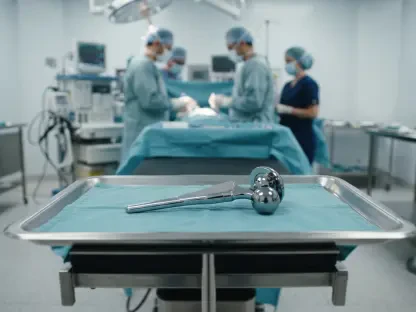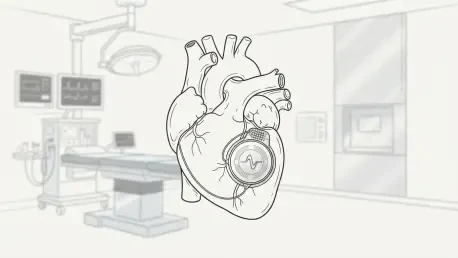

University of Chicago interventional cardiologist Dr. Atman Shah observed that rigid, one-size-fits-all heart devices frequently force the human heart to conform to the hardware rather than the reverse. This profound observation became the catalyst for the founding of Parasol Med Tech, a startup that recently secured an oversubscribed $2.75 million pre-seed funding round. The primary focus of this investment is to revolutionize the way medical professionals approach stroke prevention in patients with atrial fibrillation. By developing a next-generation left atrial appendage closure system, the company aims to move away from traditional, more invasive mechanical methods that have dominated the field for decades. This financial milestone reflects the significant interest from the investment community in technologies that offer a more biological and adaptive approach to cardiovascular health. As the company transitions into more intensive development, the goal remains to provide a safer, more effective alternative for the millions of people living with irregular heart rhythms.
Clinical Challenges: Addressing the Risks of Atrial Fibrillation
The clinical necessity for a more refined approach is driven by the significant public health impact of atrial fibrillation, which currently affects nearly 5% of adults in the United States. In patients with this condition, the heart’s upper chambers beat irregularly, which can cause blood to pool and eventually form clots within the left atrial appendage, a small pouch in the heart’s muscle wall. If these clots are dislodged, they can travel through the bloodstream to the brain, leading to devastating ischemic strokes. Statistical data suggests that individuals with this condition face a five-fold increase in stroke risk compared to the general population, making effective management a top priority for healthcare providers. While clinicians have historically relied on blood-thinning medications to mitigate this risk, these drugs carry their own set of dangers, including a significantly heightened risk of major internal bleeding. This creates a desperate need for a mechanical solution that can permanently and safely seal high-risk areas.
Beyond the limitations of medication, existing mechanical closure devices—which typically rely on nitinol or other metallic alloys—have presented their own set of clinical hurdles. These rigid implants often fail to accommodate the highly irregular and unique anatomy of a patient’s left atrial appendage, leading to residual leaks that can still allow blood to clot. Furthermore, the presence of a foreign metal surface within the heart can actually trigger the formation of new clots, a phenomenon known as device-related thrombus. Dr. Shah’s research identified these shortcomings as a major barrier to widespread adoption of current closure technologies. The industry has long sought a way to seal these pouches without forcing the heart to adapt to an inflexible metal frame. By identifying these gaps in care, Parasol Med Tech has positioned its innovation as a necessary evolution in cardiovascular medicine, focusing on a solution that is as flexible and dynamic as the biological tissue it is designed to protect from harm.
Personalized Medicine: Engineering a New Standard for Cardiovascular Care
Parasol Med Tech’s solution involves a proprietary, gel-based mechanism that is delivered via a specialized catheter, representing a complete departure from the metal-centric status quo. This material is designed to be introduced into the left atrial appendage where it conforms exactly to the patient’s internal anatomy before solidifying into a secure seal. This personalized fit is a major breakthrough, as it ensures that even the most complex and irregular heart shapes are fully protected against clot formation. Because the system uses a metal-free material, it avoids the inflammatory responses and secondary clotting risks associated with traditional implants. This technology is not just about replacing one material with another; it is about providing a custom-fit solution that moves with the heart during its natural contractions. By creating a more harmonious interface between the device and the tissue, the company aims to eliminate the need for lifelong anticoagulant therapy, significantly improving the safety of patients.
The successful closure of this oversubscribed $2.75 million round was facilitated by a diverse group of strategic investors, including Cardiovascular Innovation Ventures and UCM Ventures, who recognize the transformative potential of adaptive cardiovascular tools. This significant capital infusion allowed Parasol Med Tech to transition from an academic concept at the University of Chicago into a commercially viable startup, supported by the Polsky Center and Harper Court Ventures. After the team validated the concept through programs like the National I-Corps, they successfully utilized the initial resources to optimize the gel delivery system and establish protocols for clinical trials. Clinicians were encouraged to look beyond traditional metal devices to consider how adaptive technologies could reduce long-term complications for high-risk patients. By setting a new standard for stroke prevention, the project demonstrated that cardiac care rested on the ability of hardware to finally harmonize with the natural complexity of the human heart.