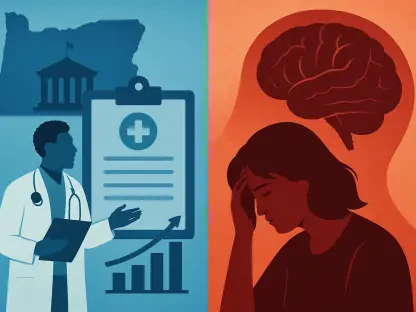

Recognizing that physical well-being is the primary driver of economic agency, the Aina Onimole Family Foundation launched a comprehensive suite of medical services ranging from dental care to renal testing. This ambitious outreach program, situated in the heart of Isale Eko on Lagos Island, has successfully transformed the standard of care for over one thousand residents who previously lacked access to consistent medical consultation. In a metropolitan environment where the cost of living exerts pressure on household budgets, the foundation has identified a niche where traditional leadership can intersect with modern medical practice. By prioritizing the elderly and the economically marginalized, the initiative addresses a systemic gap in the regional health infrastructure that leaves vulnerable populations without a safety net. This effort serves as a testament to the power of localized intervention and the capacity for philanthropic organizations to deliver measurable results.
Comprehensive Medical Services
Extensive Health Screenings and Preventative Care
The medical intervention functioned as a comprehensive mobile clinic at the historically significant Iga Olorogun Adodo, providing a wide array of diagnostic screenings. Residents received thorough eye examinations and dental assessments—services that are frequently neglected due to their perceived status as non-essential or high-cost procedures. By integrating blood pressure monitoring and blood sugar testing into the routine check-up process, the medical team established an essential early-warning system for chronic conditions like hypertension and diabetes. These services were delivered with a high level of professional rigor, ensuring that each participant received personalized attention and a clear understanding of their physiological status. The high turnout reflected a significant appetite for preventive medicine in the region, where residents often wait until an illness becomes debilitating. This proactive approach is designed to change that behavioral pattern.
Early detection through these screenings removes the logistical and financial barriers that typically prevent residents from seeking medical help in a timely manner. For many participants, these assessments represented the first time in several years they had received professional medical advice tailored to their specific risk factors. The identification of chronic illnesses not only improves individual health outcomes but also reduces the long-term strain on the public hospital system by preventing emergency complications. The foundation’s medical staff took the time to educate beneficiaries on lifestyle modifications and nutrition, reinforcing the diagnostic results with actionable health literacy. This educational component ensures that the impact of the outreach extends beyond the day of the event, empowering individuals to take charge of their own recovery. The program thus acts as a catalyst for a broader cultural shift toward proactive health management within the local community.
Specialized Testing and Long-Term Support
Beyond basic check-ups, the medical team implemented specialized testing protocols to screen for severe health risks, including various forms of cancer and renal dysfunction. Urine analysis was used to detect early signs of metabolic disorders and kidney issues, which are often asymptomatic in their early stages but devastating if left unmanaged. These advanced diagnostic tools allowed the foundation to identify individuals requiring urgent specialist intervention, bridging the gap between community-level care and high-end hospital services. By offering these tests free of charge, the initiative provided a level of clinical sophistication that is rarely available to the average resident. This commitment to specialized care highlights the foundation’s dedication to addressing the most serious health challenges facing the population. The specialized nature of these screenings demonstrates a deep understanding of the specific health vulnerabilities prevalent among the urban poor.
To guarantee that the benefits of the outreach were not merely transient, the foundation paired diagnostic services with a robust system of long-term medical support and pharmaceutical distribution. Patients identified with chronic conditions received immediate supplies of necessary medications, ensuring they could begin treatment regimens without delay. Furthermore, the program facilitated registration for health insurance schemes, creating a pathway for sustained medical management and future clinical access. This strategic move addresses the recurring problem of medical interventions providing only temporary relief without a plan for follow-up care. By enrolling residents in insurance programs, the Aina Onimole Foundation has effectively secured a future where these individuals can access the formal healthcare system whenever the need arises. This holistic approach ensures that the medical mission serves as a gateway to permanent health security, fostering a resilient community structure.
Collaborative Philanthropy and Global Support
Role of International Diaspora Partnerships
The success of the medical outreach was significantly bolstered by a strategic partnership with Eko Club International, which represents the professional power of the Lagosian diaspora. Dr. Lola Ogbara-Aloba, the club’s president, highlighted the importance of this collaboration in bringing high-quality medical expertise directly to the people of Isale Eko. This particular event served as the conclusion of a six-day mission that traversed several key divisions of Lagos State, demonstrating a wide-reaching commitment to public health. The involvement of international medical professionals ensured that the diagnostic and treatment services provided were of the highest clinical standard. This synergy between a local family foundation and an international organization illustrates a modern model for philanthropy that leverages both local knowledge and global resources. It highlights the enduring connection that many Nigerians living abroad maintain with their home communities and their desire to give back.
Members from various international chapters personally finance their travel and the procurement of medical supplies used during the mission. This level of financial commitment ensures that the program remains independent of external funding fluctuations and can be sustained over the long term. By removing the need for administrative overhead and third-party fundraising, the club ensures that every resource brought to Lagos is directly applied to patient care and medical screenings. This model of volunteerism demonstrates a high degree of transparency and accountability, which is essential for building trust with both beneficiaries and local government partners. It reflects a profound sense of duty among the diaspora to reinvest their personal success back into the social infrastructure of their home state. This volunteer model confirmed that the desire to give back remains a powerful motivator for the global community, ensuring a steady stream of resources for all future missions.
Institutionalizing Economic and Health Resilience
The Aina Onimole Chieftaincy Family Foundation has expressed a clear mandate to transition from periodic medical interventions to an institutionalized framework for community health. Chairman Alhaji Hakeem Amode confirmed that organizational structures are being strengthened to ensure that the medical outreach becomes a recurring annual event, providing a reliable health resource for the district. There are ambitious plans to scale the initiative in the coming years, with the specific goal of doubling the reach and clinical capacity of the services provided to coincide with the family’s grand reunion. This expansion involves deeper integration with permanent clinics and the adoption of digital health records to track patient progress between annual missions. By creating a predictable schedule for these events, the foundation allows residents to plan for their medical needs. This shift toward institutionalization reflects a strategy that prioritizes long-term community stability.
The foundation established a robust framework that transitioned medical care from reactive treatment to proactive wellness management. Stakeholders recognized that the success of the Isale Eko outreach depended on the seamless integration of diaspora expertise and local government logistics. Moving forward, the organization implemented a digital tracking system to monitor the recovery progress of patients who were registered for health insurance during the mission. Community leaders advocated for the creation of permanent health desks within traditional family palaces to provide ongoing guidance for the elderly. These actionable steps ensured that the diagnostic insights gained during the mission led to long-term therapeutic outcomes rather than temporary relief. By analyzing the data collected from over one thousand screenings, the foundation refined its resource allocation for subsequent annual cycles, focusing on the most prevalent chronic conditions identified in the local population.