
The commissioning of the robotic platform at Eleos Specialist Hospital is a decisive step toward self-reliance in the management of male-specific health issues, including infertility and complex erectile dysfunction. This state-of-the-art advancement in Abuja marks a transformative era for the Nigerian healthcare sector, establishing a new benchmark for surgical excellence across West Africa. By becoming only the second facility in Northern Nigeria to house such sophisticated equipment, the hospital is actively addressing the systemic limitations that have historically hindered local medical progress. This move is not simply an upgrade of existing facilities but a strategic initiative designed to redefine the landscape of complex surgical interventions. It offers a tangible solution for patients who would otherwise be forced to navigate the logistical and financial burdens of traveling to foreign clinical centers for care. By providing high-end medical services locally, the hospital ensures that the standard of care remains consistent with global expectations, fostering trust and national pride in domestic health infrastructure.
Improving Surgical Precision Through Robotic Integration
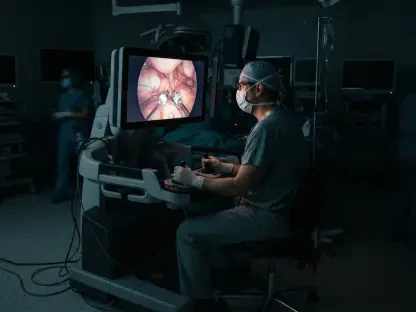
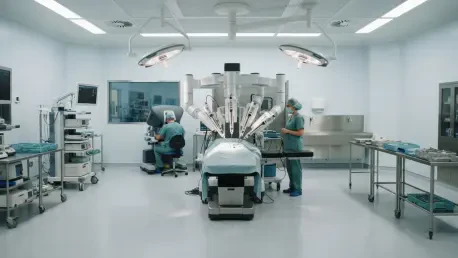
The integration of robotic-assisted, minimally invasive surgery provides a level of control and visualization that traditional manual methods simply cannot replicate. Surgeons at the facility now utilize a high-definition 3D camera system that offers a magnified view of the surgical site, allowing for unprecedented clarity during delicate procedures. This technological leap is particularly critical for urological surgeries, where navigating complex anatomical structures requires extreme dexterity and precision. The robotic arms mimic the human hand but with a significantly greater range of motion and the total elimination of any natural tremors, ensuring that every incision is made with pinpoint accuracy. This level of precision minimizes damage to surrounding healthy tissues, which is a common concern in traditional open surgeries. Consequently, the hospital is now fully equipped to handle intricate cases involving benign prostate enlargement and complex tumors with a level of confidence that matches prestigious medical institutions globally.
Enhancing Clinical Outcomes and Patient Recovery
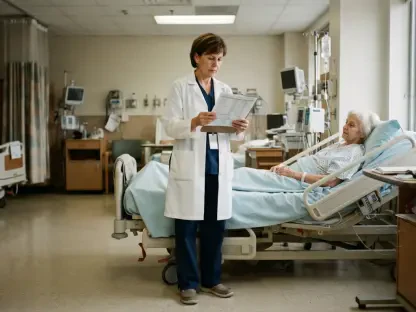
Beyond the technical prowess demonstrated in the operating room, the primary advantage of this robotic platform lies in the significantly improved outcomes for the patients themselves. The transition to minimally invasive techniques means that procedures can be performed through very small incisions, which drastically reduces blood loss and physical trauma during the operation. This approach naturally leads to a much faster recovery period, allowing patients to be discharged from the hospital much sooner than would be possible with conventional surgery. Reduced postoperative pain and a lower risk of infection are also hallmark benefits of this technology, ensuring that individuals can return to their daily routines and economic activities with minimal downtime. This increased operational efficiency not only benefits the patients but also optimizes hospital resources, as shorter stays allow the facility to serve a larger number of people. Ultimately, the focus on enhancing the patient experience serves as a cornerstone for modernizing regional health.
Mitigating Capital Flight and Retaining National Wealth
Nigeria has long grappled with the economic consequences of medical tourism, as billions of naira are funneled into foreign healthcare systems every year by citizens seeking advanced surgical care. The introduction of robotic surgery at Eleos Specialist Hospital serves as a strategic intervention to curb this massive capital flight by retaining healthcare expenditure within the country. When patients choose local facilities over foreign ones, the financial benefits extend beyond the hospital bill; it eliminates the excessive costs of international travel, long-term accommodation for family members, and the complexities of seeking care in unfamiliar environments. This shift is vital for the growth of the domestic economy, as it allows for the reinvestment of these funds back into the Nigerian medical landscape. By proving that world-class care is available at home, the hospital is helping to restore confidence in the national health system, encouraging a culture where medical investment is seen as necessary.
Establishing Abuja as a Regional Medical Destination
Building on this foundation of domestic retention, there is a broader vision to position Abuja as a central hub for medical tourism throughout the West African subcontinent. By offering cutting-edge robotic procedures at competitive prices, the hospital is poised to attract patients from neighboring countries who might otherwise look toward Europe or Asia for specialized treatment. This expansion into the regional market represents a significant opportunity to generate foreign exchange and elevate Nigeria’s status as a leader in medical innovation. Establishing a regional center of excellence requires more than just hardware; it necessitates a comprehensive support system that includes hospitality, seamless logistical coordination, and a reputation for clinical success. As the facility continues to demonstrate superior outcomes in complex urological cases, it builds a compelling case for Nigeria to become a primary destination for advanced healthcare, strengthening the local economy and creating a model for future advancements.
Strengthening Policy Support and Insurance Accessibility
The successful implementation of robotic surgery depends heavily on a collaborative environment involving both private investment and supportive government policy. Legislative leaders have recognized the Eleos initiative as a critical blueprint for how private healthcare providers can complement national health goals and achieve international standards. However, for these advanced services to remain sustainable and accessible to a wider demographic, there is a clear need for expanded health insurance coverage and innovative financing mechanisms. Stakeholders are advocating for policy shifts that encourage the integration of high-tech procedures into standard insurance plans, ensuring that the benefits of robotics are not reserved solely for the wealthy. This legislative support is essential for creating a stable environment where medical technology can flourish without being hindered by prohibitive costs for the average citizen. By aligning expertise with strategic policy-making, the nation can ensure infrastructure remains modern.
Combating Brain Drain Through Technical Opportunity
A major challenge facing the medical community has been the brain drain of talented professionals who move abroad to seek better facilities and professional development opportunities. The presence of advanced robotic platforms provides a solution to this issue by offering Nigerian surgeons, nurses, and biomedical engineers a world-class environment in which to practice. Having access to the latest global techniques allows local specialists to operate at the peak of their licensure without needing to leave their home country. This focus on human capital development ensures that the skills required to maintain these complex systems are cultivated domestically, creating a pipeline of expertise. Training programs centered around robotic technology not only enhance the capabilities of the current workforce but also inspire the next generation of medical students to specialize in high-tech fields. By fostering an ecosystem of excellence, the hospital is helping to secure the long-term viability of the national healthcare system.
Advancing Specialized Urology and Functional Health
While the robotic platform is a versatile tool across various surgical disciplines, its most immediate and profound impact is being felt in the field of specialized urology. The facility has integrated this technology into its treatment protocols for conditions such as benign prostate enlargement, kidney stones, and complex urinary tract tumors. These are conditions that frequently prompted Nigerians to seek surgical intervention in foreign countries due to the precision required for successful outcomes. The use of endoscopic and robotic techniques allows for the removal of stones and the treatment of incontinence with minimal disruption to the patient’s anatomy. Furthermore, the management of male-specific health issues has been greatly enhanced by the ability to perform delicate micro-surgeries with robotic assistance. This specialized focus ensures that patients receive a comprehensive care package that addresses both the surgical removal of disease and the preservation of long-term functional health for patients.
Implementing Sustainable Medical Ecosystems
Health authorities recognized that the integration of robotic platforms necessitated a shift in the existing healthcare delivery model. They established a roadmap for the inclusion of specialized surgical care within national insurance frameworks to ensure broader accessibility for the general population. Medical leaders coordinated with international bodies to certify the facility as a training center, which allowed for the continuous upskilling of the regional workforce. It was concluded that the success of this initiative depended on a steady pipeline of biomedical engineers and support staff capable of maintaining complex hardware. By transitioning to a model of clinical self-sufficiency, the hospital successfully reduced the reliance on external medical solutions. These actions provided a concrete framework for other institutions to follow, effectively decentralizing high-tech care across the nation. The expansion of these capabilities was identified as the next logical step in fostering a modern medical ecosystem.