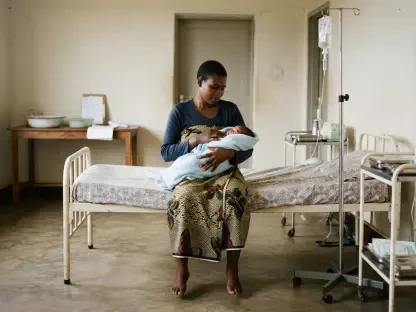

Transitioning from an informal emergency response to a supervised task-sharing model offers a strategic pathway to integrate mental healthcare into Somalia’s primary clinics. For decades, the nation has grappled with the invisible scars of protracted conflict, which have left deep psychological wounds across generations and disrupted the social fabric of both urban and rural communities. Despite the overwhelming demand for psychiatric support, the country relies on a traditional, specialist-dependent model that is mathematically incapable of meeting the population’s needs in any practical timeframe. Currently, Somalia records approximately 0.5 psychiatric beds per 100,000 people, a stark contrast to the regional average of 6.4 and the global benchmark of 24. This structural deficit forces most citizens to seek care only in the most extreme circumstances, often when a condition has reached a point of crisis or total dysfunction. By moving toward a task-sharing approach, the healthcare sector can finally address the massive treatment gap that currently leaves nearly 78 percent of the population without access to basic mental health services. This transition is not merely a logistical adjustment; it is a fundamental reimagining of how care is delivered in a resource-constrained environment where human capital must be utilized with maximum efficiency and clinical rigor to ensure that no patient is left behind.
Redefining the Mental Health Delivery Framework
The shift toward task-sharing represents a sophisticated evolution of healthcare strategy, moving beyond the desperate and often unmonitored delegation of duties known as task-shifting. In a task-sharing model, the limited pool of specialist clinicians transitions from performing routine, high-volume case management to focusing on high-level clinical governance, supervision, and the treatment of complex or resistant cases. This redistribution allows the broader health workforce to handle common conditions, effectively expanding the reach of the healthcare system into districts that have never seen a psychiatrist. Unlike informal delegation, which frequently leads to clinician burnout and misdiagnosis, a supervised task-sharing model prioritizes patient safety and clinical quality. It incorporates protected clinical hours for mental health duties and provides professional incentives for non-specialist staff, ensuring they feel supported rather than overwhelmed. By framing this as a deliberate system strategy, healthcare administrators can maintain high standards of care while dramatically increasing the volume of patients who receive timely interventions for depression, anxiety, and trauma-related disorders.
Evidence for the feasibility of this approach is anchored in successful international precedents and localized pilot programs conducted over the last few years. Extensive clinical trials in similar socioeconomic settings, such as rural Ethiopia, have demonstrated that primary healthcare staff trained under the World Health Organization’s Mental Health Gap Action Program (mhGAP) can achieve clinical outcomes for severe mental disorders that are non-inferior to those provided by specialist nurses. In Somalia, initial training initiatives for front-line workers have already demonstrated significant improvements in both clinical knowledge and provider confidence. These trained non-specialists focus on core competencies, including early symptom recognition, the provision of structured psychoeducation to families, and the monitoring of medication adherence. By utilizing culturally and linguistically adapted assessment tools, these workers can identify mental distress early, preventing the escalation of symptoms that often lead to social exclusion or the physical restraint of patients by their families.
Defining Clinical Boundaries: Roles and Safety
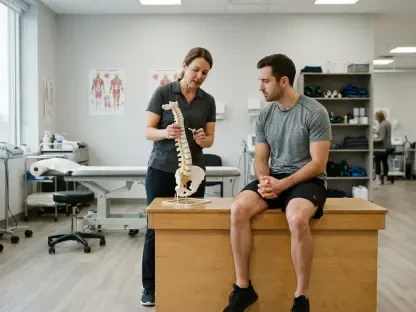
To maintain high standards of clinical safety, the task-sharing framework establishes strict boundaries and defined roles for different tiers of the health workforce. Community health workers act as the vital bridge between the clinic and the public, focusing on case finding, stigma reduction, and education without being tasked with diagnosis or prescription. Clinically trained nurses in primary care centers are responsible for structured assessments and the routine monitoring of stabilized patients, ensuring that any signs of clinical deterioration are identified quickly. However, the authority to prescribe or adjust psychotropic medications remains exclusively within the hands of qualified medical professionals who operate under national regulations. Specialists, including the few available psychiatrists, intervene only for high-acuity presentations such as acute psychosis, active suicidal behavior, or complex pediatric psychiatric disorders. This tiered structure ensures that the system remains safe and that every provider operates within their specific level of competence and training.
Continuous clinical supervision is an absolute requirement for the success of this decentralized model, as it prevents the erosion of clinical skills over time. Evidence from various conflict-affected regions suggests that non-specialist providers require ongoing mentorship and specialist oversight for a significant portion of their diagnostic and management plans to ensure protocol adherence. Given the geographical challenges and fractured infrastructure in parts of Somalia, a hybrid supervision model is often the most practical solution. This includes remote consultations via mobile technology, standardized paper-based referral audits, and periodic outreach visits by specialists to rural and remote clinics. These oversight mechanisms allow for real-time feedback and professional development, ensuring that the clinical gains made during initial training workshops translate into long-term improvements in patient outcomes. Without this layer of continuous mentorship, the health system risks a decline in the quality of care, which could ultimately damage community trust in formal mental health services.
Strengthening Logistics: Supply Chains and Data
A successful mental health program requires more than a trained workforce; it demands a reliable and consistent supply of essential psychotropic medications. In many low-income and conflict-affected environments, the availability of these drugs in public facilities frequently falls below 50 percent, which can render training efforts entirely futile. Therefore, the scale-up of the task-sharing model must be accompanied by a robust effort to strengthen the pharmaceutical supply chain. This involves continuous stock-out monitoring and the inclusion of primary psychiatric medications in the national health formularies. Without a stable supply of medication, patients with chronic conditions are at high risk of relapse, which places additional strain on both families and the healthcare system. Ensuring that medications are available at the primary care level is essential for decentralizing treatment and making it affordable for the most vulnerable segments of the population who cannot afford to travel to urban hospitals for their monthly prescriptions.
In addition to physical logistics, the integration of mental health services into the National Health Information System (HMIS) is critical for long-term sustainability. Tracking patient outcomes, caseload distributions, and referral completion rates allows for data-driven governance and more accurate resource allocation. By quantifying the impact of mental health interventions, the government can provide concrete evidence to justify continued investment and policy support. This integration ensures that mental health is no longer treated as a niche, secondary concern but is viewed as a core component of the public health landscape. Data collection also plays a vital role in identifying emerging trends, such as spikes in trauma-related disorders following security incidents or natural disasters, allowing the health system to respond with targeted interventions. By building a transparent and accountable information system, Somali health authorities can refine their strategies based on empirical evidence rather than anecdotal reports.
Cultural Integration: Healers and Human Rights
The Somali context requires a nuanced approach to community trust, as many individuals traditionally seek help from religious and traditional healers before approaching the formal medical system. The task-sharing framework advocates for a respectful and structured collaboration with these traditional actors, recognizing them as an influential first point of contact for mental distress. By engaging with healers, the formal health system can encourage earlier medical referrals and work to eliminate coercive or restrictive practices, such as the chaining of patients, which have been documented in some informal settings. This collaborative approach helps bridge the gap between traditional cultural beliefs and modern clinical practices, making formal care more culturally acceptable to the local population. When healers and medical professionals work in tandem, patients are more likely to receive a holistic form of support that addresses both their spiritual and clinical needs, thereby improving overall treatment adherence and social reintegration.
Human rights protections are central to the design and delivery of these services, particularly for marginalized groups such as internally displaced persons and individuals with physical or intellectual disabilities. In a conflict-affected environment, mental health services must be designed to uphold patient dignity and preserve community confidence to be effective. Ensuring that care is accessible, equitable, and free from abuse is essential for building a legitimate and trusted health system. This rights-based approach involves training staff on patient autonomy and informed consent, as well as establishing mechanisms for patients and families to report grievances. For internally displaced persons living in urban centers like Mogadishu, access to mental healthcare is not just a health issue but a fundamental component of social justice. By prioritizing the needs of those most affected by trauma and displacement, the task-sharing model contributes to the broader goals of national reconciliation and the restoration of social stability.
Scaling for Long-Term System Stability
The transition from fragmented, NGO-led humanitarian interventions to a permanent public health system remained the primary objective for the Somali health sector. While international organizations provided vital services during various crises, their funding cycles were often unpredictable and their programs could be disjointed from national long-term goals. Sustainable progress required a shift toward domestic financing, official Ministry of Health ownership, and the formal recognition of mental health competencies within the national healthcare career structure. This ensured that mental health stayed a priority even after specific humanitarian projects ended. The analysis indicated that institutionalizing these services within the state structure was the only way to move from a reactive “crisis mode” to a proactive, integrated system that served all citizens regardless of their location or social status. By embedding mental health into the fabric of the state, the country demonstrated a commitment to the long-term well-being of its population.
The future of Somali mental healthcare relied on a phased scale-up that remained sensitive to regional differences in security, telecommunications, and transport infrastructure. While stable urban areas followed standard guidelines, regions in active conflict or humanitarian camps required adapted, highly mobile intervention strategies. Ongoing research, including the collection of nationally representative psychiatric data and local clinical trials, provided the necessary evidence to refine the model over time. The perspective concluded that supervised task-sharing represented the most viable and ethically sound path toward closing the mental health treatment gap in one of the world’s most challenging environments. By systematically refining the approach, health authorities successfully built an accountable, rights-respecting system that finally addressed the long-standing needs of the Somali people. This move toward an integrated model served as a blueprint for other nations facing similar specialist shortages and protracted humanitarian crises.