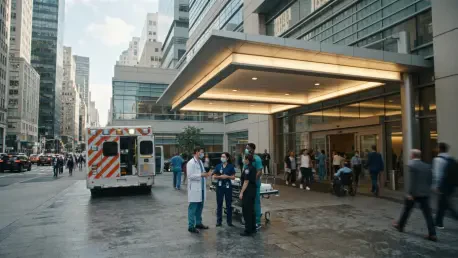

By designating the Incheon Medical Center as a training hospital, officials hope to ease the operational burdens currently placed on the city’s existing public health facilities. This strategic move aims to address a critical deficiency in the regional healthcare landscape where the lack of specialized personnel has led to deteriorating services and a lack of public trust. For years, the city has grappled with the highest rate of preventable deaths in the country, a startling reality that underscores the urgency of systemic reform and legislative action. While other metropolitan centers boast multiple teaching hospitals and dedicated medical universities, Incheon has remained underserved despite its rapid growth and status as a global logistics hub. Lawmaker Kim Kyo-heung has pointed out that the current medical capacity consistently falls below the national average, leaving residents vulnerable during health emergencies. The push for a new medical school at Incheon National University is a vital intervention.
Infrastructure Disparities: The Reality of Regional Healthcare Shortages
The quantitative data regarding Incheon’s medical workforce reveals a stark disconnect between the city’s demographic scale and its current professional resources. Although Incheon has recently surpassed other major cities like Daegu in total population, it continues to employ significantly fewer physicians and specialists in high-stakes fields such as surgery, pediatrics, and obstetrics. This shortfall is not merely a statistical curiosity; it translates into a daily struggle for thousands of residents who find themselves unable to access essential services within their own neighborhoods. Reports suggest that approximately twenty percent of the city’s population is forced to seek medical treatment in neighboring provinces or the capital, which places an immense financial and physical strain on families. The absence of a dedicated medical education pipeline at the regional national university exacerbates this trend, as there are no local institutions focused on training specialized doctors.
In addition to the personnel shortage, a confusing paradox exists between Incheon’s industrial achievements and its public health deficiencies. The city is home to some of the most advanced biotechnology firms in the world, including industry giants like Samsung Biologics and Celltrion, yet it lacks the status of an advanced medical complex. This irony highlights a failure to integrate economic success with social infrastructure, leaving a world-class bio-cluster situated right next to a medical desert. Lawmaker Kim Kyo-heung argued that this gap prevents the city from leveraging its technological expertise to improve patient outcomes or foster a robust research environment that could attract top-tier medical talent. Without a medical school to act as a bridge between academic research and clinical application, the city’s biotechnology sector remains somewhat isolated from local healthcare needs. Establishing a new medical school would capitalize on these existing assets and create a synergy.
Strategic Pathways: Implementation and Legislative Momentum
The movement to establish the Incheon National University medical school has gained significant political traction, characterized by a rare show of bipartisan cooperation in the National Assembly. A joint bill has been introduced with support from across the political spectrum, reflecting a collective recognition that the current healthcare crisis transcends partisan interests. Lawmaker Kim emphasized that the proposed project is effectively shovel-ready, as the designated site for the campus has already been secured and the necessary preliminary budgets have been allocated. This advanced state of readiness distinguishes the Incheon proposal from other regional projects that often stall due to land disputes or funding uncertainties. During a recent audit, Health Minister Jeong Eun-kyeong acknowledged the validity of the city’s concerns, though she maintained a cautious stance regarding how the new school would fit into broader national regional physician policies.
Incheon’s transition toward medical self-sufficiency required a departure from traditional funding models and a focus on localized training pipelines. Stakeholders determined that the successful integration of the Incheon Medical Center with academic programs provided a blueprint for other metropolitan areas facing similar shortages. Moving forward, the city prioritized the development of curriculum standards that specifically addressed the unique public health challenges of a diverse, globalized port city. Officials also recognized the importance of creating incentives for graduates to remain in the region, ensuring that the initial investment in education translated into decades of reliable service for the local population. By securing legislative support and finalizing the partnership between the city and the university, Incheon established a clear path toward eliminating the regional disparities that once defined its healthcare system. This approach served as a vital intervention for the whole region.