
The clinical challenge of treating aggressive tumor variants in Black women remains a critical priority as survival disparities persist despite advances in oncology. In the San Antonio region, this medical concern is part of a broader, more alarming trend where endometrial cancer is becoming increasingly prevalent, defying the general downward trajectory of other major cancers. A recent study by UT Health San Antonio and the National Cancer Institute has utilized a sophisticated statistical approach known as hysterectomy-correction to uncover the true scope of this crisis. By removing women who have undergone a hysterectomy from the denominator of the at-risk population, researchers found that the incidence in the Upper-South health region of Texas, which includes Bexar County, is significantly higher than previously estimated. This data, encompassing over 42,000 cases from 2000 through the current decade, suggests that the geographic concentration of risk in South Texas is one of the most intense in the country, signaling a localized public health emergency.
Demographic Disparities and Risk Profiles
Disproportionate Effects: Hispanic and Black Populations
The data reveals a startling trend among young Hispanic women in the San Antonio area, where early-onset endometrial cancer is occurring at rates far exceeding state and national averages. Specifically, the incidence for women under 50 in this demographic has reached 17.2 per 100,000, contrasting sharply with the statewide average of 12.4. In Bexar County alone, approximately one-quarter of all diagnoses occur in women younger than 50, a significant departure from the national benchmark where only 15% of cases involve this younger age group. This shift suggests that the factors driving the disease in South Texas are uniquely aggressive or are appearing much earlier in the life cycle of local residents. While screening for other cancers has improved, the lack of a standard screening test for endometrial cancer means that detection often relies on the recognition of symptoms like abnormal uterine bleeding, which may be overlooked or misattributed in younger patients who are not traditionally considered at high risk.
While Hispanic women experience higher incidence at younger ages, non-Hispanic Black women in the region face a disparate burden of mortality and disease severity. The research indicates that Black women are disproportionately diagnosed with non-endometrioid tumors, which represent more aggressive biological variants such as serous or clear cell carcinomas. These specific types of cancer do not respond as effectively to conventional hormone-based treatments or standard chemotherapy, leading to a marked decline in five-year relative survival rates compared to other racial and ethnic groups. This biological disparity highlights a critical need for precision medicine and more inclusive clinical trials that specifically address the unique genomic profiles of aggressive uterine tumors. Addressing this gap requires a multi-faceted approach that combines early diagnostic sensitivity with the development of targeted therapies capable of overcoming the inherent resistance found in these high-grade malignancies, ensuring that survival outcomes are not dictated by a patient’s racial background or socioeconomic status.
Shifting Age Dynamics: The Rise of Early-Onset Cases
The increasing frequency of endometrial cancer in women under the age of 50 presents a unique challenge to the traditional understanding of gynecologic oncology, which has long viewed this as a disease of the post-menopausal years. In San Antonio, the rising numbers in younger cohorts suggest that metabolic and environmental triggers are initiating oncogenic processes much earlier than previously observed. This trend necessitates a shift in clinical awareness, as physicians must now maintain a higher index of suspicion when evaluating younger patients who present with symptoms of hormonal imbalance or irregular cycles. The current study underscores that the incidence in the Upper-South region jumped from 42.6 to 53.8 cases per 100,000 women during the analyzed periods, with a significant portion of this growth driven by the younger demographic. This demographic shift is not just a statistical anomaly but a call to redefine screening protocols and educational outreach to reach women in their twenties and thirties who may not realize they are at risk for what was once considered a late-life malignancy.
Furthermore, the early onset of the disease in the local population correlates with broader public health trends seen across South Texas. The data suggests that the physiological environment in which these women live—influenced by diet, activity levels, and systemic health factors—is contributing to a landscape where cancer can take root decades earlier than the national norm. This acceleration of the disease timeline places a significant burden on the regional healthcare system, requiring more resources for long-term survivorship care and psychological support for young women facing a life-threatening diagnosis during their most productive years. By identifying these high-risk age groups through hysterectomy-corrected data, health officials can better allocate resources for community clinics and primary care providers to ensure that early symptoms are never dismissed. The goal is to move toward a model of vigilance where the specific regional risks are integrated into every pelvic health examination, ensuring that the spike in early-onset cases is met with an equally robust and rapid diagnostic response.
Health Drivers and Clinical Challenges
Metabolic Synergy: Obesity and Cancer Risk
The primary catalyst for the rising tide of endometrial cancer in South Texas appears to be the high prevalence of metabolic dysfunction and obesity within the local population. Clinical experts, including those leading the efforts at the Mays Cancer Center, emphasize that a high Body Mass Index remains the most significant preventable risk factor for this disease, as adipose tissue can lead to increased estrogen levels and chronic inflammation. However, current population-level databases like the Surveillance, Epidemiology, and End Results program often lack specific individual metrics such as blood sugar levels, blood pressure, or the presence of non-alcoholic fatty liver disease. This data gap makes it difficult to draw a direct, definitive line between specific metabolic conditions and the localized spike in cancer cases. Consequently, the next phase of regional research is focused on integrating clinical health records with cancer registry data to better understand how the intersection of obesity, insulin resistance, and environmental factors drives the cellular changes that lead to uterine malignancy.
Beyond the biological link, the socioeconomic factors that contribute to high obesity rates in San Antonio must be addressed as part of a comprehensive cancer prevention strategy. In many parts of the region, limited access to healthy food options and safe areas for physical activity creates an environment where metabolic disorders can flourish unchecked. This systemic issue requires a public health response that extends beyond the walls of the oncology clinic, involving urban planning, food policy, and community-based health education. By recognizing that endometrial cancer is often the end-stage manifestation of long-term metabolic strain, healthcare providers can begin to advocate for interventions that address the root causes of the disease. This includes promoting the use of newer pharmaceutical interventions like GLP-1 agonists and supporting bariatric surgery for those at the highest risk. The objective is to create a multi-layered defense against the disease, where weight management and metabolic stabilization are prioritized as essential tools in the fight against the rising incidence of gynecologic cancers in the South Texas community.
Fertility Preservation: Navigating Treatment Hurdles
For the growing number of younger patients, an endometrial cancer diagnosis introduces a profound clinical and personal dilemma regarding the preservation of fertility. The conventional gold standard for treatment remains a total hysterectomy, a procedure that provides the highest cure rate but results in permanent infertility and immediate surgical menopause. For women under 50 who still wish to conceive, oncologists are increasingly exploring conservative management strategies, though these paths are fraught with complexity and require rigorous patient compliance. These treatments often involve high-dose progestin therapy, delivered through intrauterine devices or oral medications, coupled with frequent endometrial biopsies every few months to monitor the disease status. Furthermore, successful conservative management often necessitates aggressive lifestyle interventions or the use of metabolic medications to address the underlying drivers of the cancer. Even if remission is achieved, the journey toward a successful pregnancy usually requires the intervention of reproductive endocrinologists to overcome the lingering physiological challenges.
The psychological impact of these treatment decisions cannot be understated, as young women must balance the urgent need for cancer eradication with the desire to maintain their reproductive potential. This often leads to a complex healthcare journey where patients must navigate multiple specialties, from oncology to fertility medicine, while undergoing intense physical and emotional stress. The regional rise in cases has pushed local institutions to develop more specialized programs that cater to these specific needs, ensuring that fertility-sparing options are discussed early in the diagnostic process. However, the hurdles remain significant, as the risk of recurrence is high if the underlying metabolic conditions are not permanently resolved. This underscores the importance of a holistic approach to cancer care that prioritizes the patient’s long-term quality of life and family goals. By providing comprehensive support systems and advanced medical options, the medical community in San Antonio is working to ensure that a cancer diagnosis does not automatically mean the end of a woman’s reproductive future, even in the face of an increasingly aggressive regional health crisis.
Strategic Interventions and Research Paths
Geospatial Analysis: Identifying Social Determinants
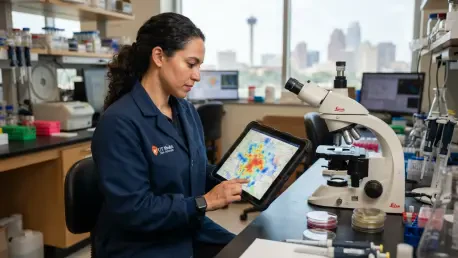
In response to these localized trends, researchers are now deploying advanced geospatial analysis to visualize cancer incidence at the census-tract level across Bexar County and the surrounding regions. By layering cancer data over maps that show social determinants of health, such as proximity to grocery stores offering fresh produce, local pollution levels, and the density of primary care clinics, the Mays Cancer Center aims to identify specific neighborhoods that are most at risk. This granular approach allows public health officials to see beyond broad county-level statistics and pinpoint the exact environments where social and economic factors may be fueling the cancer surge. For instance, areas identified as “food deserts” or those with limited access to preventive healthcare may correlate directly with the hotspots of early-onset cases identified in the study. Moving the focus to these specific community segments enables the development of highly targeted outreach programs that provide education, metabolic screening, and early intervention services directly to the women who need them most.
Moreover, the use of geospatial mapping facilitates a more efficient allocation of healthcare resources by identifying where mobile screening units and community health workers can have the greatest impact. By understanding the “where” of the cancer rise, researchers can begin to investigate the “why” with much greater precision, examining localized environmental hazards or cultural factors that may influence health behaviors. This data-driven strategy also empowers local leaders to make informed decisions about infrastructure improvements, such as building more parks or supporting local farmers’ markets in high-risk areas. As the project progresses, the integration of real-time health data will allow for a more dynamic response to emerging clusters of the disease, ensuring that the healthcare system can adapt as quickly as the disease itself. Ultimately, this approach moves the needle from reactive treatment to proactive community health management, using technology to bridge the gap between clinical research and the daily lives of San Antonio residents who are most vulnerable to this growing threat.
Building a Framework: Sustainable Preventive Care
The integration of metabolic health services into oncology care represents a transformative shift in how San Antonio health systems are addressing the endometrial cancer crisis. By viewing weight management and metabolic stabilization not just as general health goals but as core components of cancer prevention and survivorship, providers can create a more holistic framework for patient care. This includes the implementation of multidisciplinary clinics where gynecologic oncologists work alongside nutritionists, bariatric surgeons, and endocrinologists to manage the complex needs of high-risk patients. For those already diagnosed, these teams work to reduce the risk of recurrence by treating the metabolic triggers that initially fostered tumor growth. As the region moves into the latter half of the decade, the focus is expanding to include community-based initiatives that promote metabolic wellness in young women long before a cancer diagnosis becomes a possibility. By addressing the root causes of systemic health disparities, the medical community in South Texas is building a sustainable model for reducing the long-term burden of gynecologic malignancies.
The findings from the comprehensive study conducted by UT Health San Antonio provided a definitive roadmap for addressing the escalating rates of endometrial cancer in the region. By moving beyond traditional data models and incorporating hysterectomy-corrected figures, the research team offered a clearer picture of the vulnerabilities facing Hispanic and Black women in South Texas. The resulting initiatives focused on the deep integration of metabolic health into oncological practice, recognizing that the battle against uterine cancer was as much about lifestyle and systemic equity as it was about surgical precision. Healthcare leaders acted by expanding access to fertility-sparing treatments and implementing geospatial targeting to deliver resources to underserved neighborhoods. These efforts aimed to ensure that early detection was not just a clinical possibility but a community reality for younger women. Ultimately, the transition toward a more proactive, data-driven strategy laid the groundwork for future advancements in gynecologic care, shifting the focus from late-stage intervention to comprehensive prevention and personalized survivorship.