
The shift toward electronic prescriptions and structured digital reviews for chronic conditions eliminates the need for paper handling and repeated travel for many patients. This modern infrastructure is no longer a peripheral convenience but the central nervous system of contemporary medicine. As

The perception that consulting a mobile device during a consultation might undermine a patient's confidence emerged as a significant barrier to clinical tool adoption. This observation, rooted in the complex social fabric of Lagos, Nigeria, highlights the delicate balance between technological
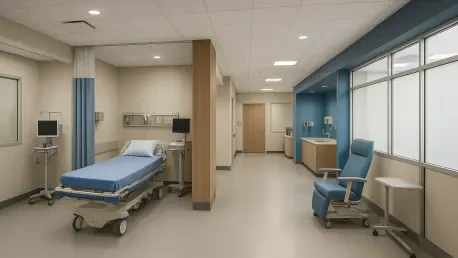
Immediate access to an around-the-clock laboratory allows for the rapid blood work necessary to make time-sensitive decisions during life-threatening medical crises. This capability forms the backbone of a modern hybrid medical model that effectively bridges the gap between traditional urgent care
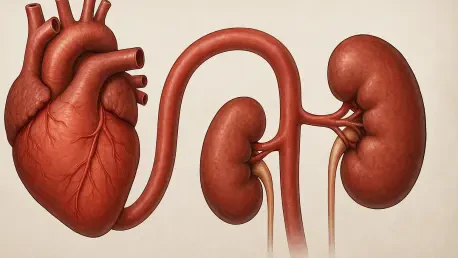
The physical layout of a home and the safety of the surrounding community are essential structural factors that either support or sabotage a patient's ability to manage syndrome complications. This clinical reality is particularly evident in the treatment of Cardiovascular-Kidney-Metabolic (CKM)
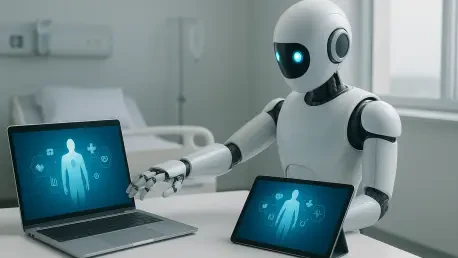
The transition from a sterile examination room to the complex reality of self-managed recovery often leaves patients grappling with a profound sense of abandonment. While a physician might spend fifteen minutes providing a diagnosis, the patient spends the following months navigating insurance

The transition to sustainable energy for medical facilities ensures 24/7 operational capacity by decoupling critical health systems from unreliable fossil fuel grids. This fundamental shift underscores the broader findings of the 2026 Mid-Year Report from eHealth Africa, which details a