
Immediate access to an around-the-clock laboratory allows for the rapid blood work necessary to make time-sensitive decisions during life-threatening medical crises. This capability forms the backbone of a modern hybrid medical model that effectively bridges the gap between traditional urgent care clinics and full-scale hospital emergency departments. For most families, a sudden illness or injury often triggers a stressful period of indecision where they must weigh the urgency of their symptoms against the potential for high costs and long wait times associated with a hospital visit. This internal conflict often leads to delays in seeking care or unnecessary expenses for minor conditions. By consolidating these services into a single clinical environment, the hybrid approach removes the burden of self-diagnosis from the patient. This integrated structure ensures that professional medical insight is the primary driver of the care pathway, providing security and clarity to the community in 2026.
Streamlining Treatment: The Elimination of Medical Guesswork
At the heart of this integrated approach is the requirement that every incoming patient is evaluated by a board-certified emergency physician rather than a general practitioner or a mid-level provider. This high-level clinical oversight is vital because it guarantees that the acuity of the patient’s condition is accurately identified within minutes of arrival. In traditional settings, a patient might visit an urgent care center with chest pain that they believe is indigestion, only to find the facility is unequipped to handle a potential cardiac event. Conversely, someone with a minor sprain might wait hours in a hospital emergency room, taking up resources meant for critical trauma. The hybrid model solves this by triaging patients directly into the appropriate care stream. This physician-led protocol ensures that serious issues are caught early while minor ailments are treated efficiently, optimizing resource allocation and improving outcomes across the region.
Beyond clinical safety, the hybrid model provides a logical solution to the persistent issue of medical billing transparency. When services are housed under one roof, the facility can distinguish between urgent care and emergency room charges based on the actual complexity of the case. Patients who require basic treatments, such as stitches for a minor laceration or medication for a sinus infection, are billed at urgent care rates. Those with life-threatening conditions that demand extensive intervention are billed at emergency room rates. This dual-billing structure prevents the financial shock often associated with seeking care for minor issues at a hospital. By ensuring that the cost of care aligns with the level of service provided, the hybrid model fosters a deeper sense of trust between the provider and the community. This financial clarity allows individuals to prioritize their health without the looming fear of an ambiguous or predatory billing process in 2026.
Technological Integration: High-Acuity Diagnostics Under One Roof
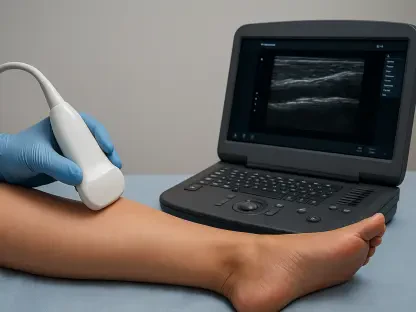
A significant advantage of the hybrid facility is the inclusion of advanced diagnostic infrastructure that far exceeds the capabilities of standard clinics. These centers are equipped with on-site imaging suites that feature high-definition X-ray machines, ultrasound technology, and computed tomography scanners. This localized access to high-tech visualization tools is essential for diagnosing internal injuries, abdominal pain, or respiratory distress without the need for an external referral. In a standard urgent care setting, a patient suspected of having appendicitis or a fractured bone might be sent to a separate imaging center or a distant hospital, causing critical delays. In contrast, the hybrid model allows for immediate scanning and interpretation, which can shave hours off the diagnostic process. This technological readiness translates into faster interventions and a much more streamlined experience for the patient, who remains in one place.
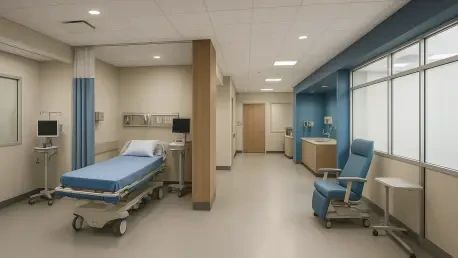
The clinical environment is further enhanced by specialized treatment areas designed to cater to the diverse needs of the population. These facilities often include dedicated trauma rooms for stabilizing critical patients, as well as pediatric-friendly rooms that utilize calming themes to reduce anxiety in young children. The staffing philosophy complements this physical infrastructure by employing trauma-certified registered nurses and experienced support teams who work alongside emergency physicians. This level of expertise ensures that the facility can handle everything from routine pediatric care to acute trauma with equal precision. By investing in both specialized spaces and highly trained personnel, the hybrid model creates a comprehensive safety net. Patients benefit from a level of professional care that is comparable to a major hospital but delivered in a more intimate setting. This combination of advanced technology and expert human intervention defines a superior standard.
Strategic Coordination: Financial Clarity and Seamless Care Transitions
While these hybrid centers operate as standalone entities, they are deeply integrated into the broader regional healthcare network through strategic partnerships with EMS services and hospital systems. This collaborative approach is essential for maintaining a seamless continuum of care for patients who require advanced surgical procedures or long-term hospitalization. If a patient is stabilized at the hybrid facility but needs specialized neurosurgery or cardiac intervention, the staff can facilitate a direct transfer to a partner hospital. This coordination ensures that the transition is smooth and that the receiving hospital is fully briefed on the patient’s status and diagnostic results. By acting as a high-functioning entry point into the medical system, the hybrid center ensures that patients receive the right care at the right time, even if the final destination is a different facility. This network-based philosophy provides a comprehensive solution for complex medical challenges.
Financial barriers are also significantly mitigated through the use of proactive insurance navigation and adherence to legal protections such as the No Surprise Act. These facilities work diligently to ensure that emergency services are processed at a patient’s in-network benefit level, regardless of the facility’s specific contract status with an insurance provider. This legal framework protects patients from unexpected medical bills and allows them to focus on recovery rather than financial disputes. For individuals without insurance, or those with high-deductible plans, many hybrid centers offer flexible payment structures and discounts for cash payments. This commitment to financial transparency is a critical component of the model, as it democratizes access to high-quality emergency and urgent care. By addressing the economic concerns of the patient population, the hybrid model ensures that financial status does not become a barrier to receiving life-saving medical intervention in 2026.
Sustainable Healthcare Evolution: Lessons From Clinical Implementation
The broad implementation of the hybrid medical model demonstrated that patient-centered design could successfully reconcile the tension between quality, speed, and cost. Healthcare administrators observed that by removing the uncertainty of where to seek care, patients sought treatment more promptly, leading to better long-term health outcomes. These facilities proved that a physician-led approach, supported by advanced on-site diagnostics and strategic hospital partnerships, created a more resilient medical infrastructure. Local communities realized that they no longer had to sacrifice convenience for clinical excellence, as the hybrid model provided a sophisticated safety net that adapted to their specific needs. Moving forward, the success of this model suggested that decentralized, high-acuity care centers would remain a permanent fixture of the regional landscape. Stakeholders focused on expanding these integrated services into underserved areas, ensuring diagnostic benefits were available to everyone.
To build upon these successes, healthcare systems prioritized the integration of telehealth capabilities within the hybrid framework. This allowed for pre-arrival consultations that further reduced the guesswork for patients still at home. Regional planners also emphasized the importance of community education, ensuring that residents understood the legal protections of the No Surprise Act and the specific diagnostic advantages of local hybrid centers. By maintaining a rigorous standard for board-certified staffing and continuing to invest in localized laboratory technology, these facilities transitioned from being a novel alternative to becoming the primary choice for acute medical needs. The evolution of this model provided a clear roadmap for future urban and suburban healthcare developments, highlighting that efficiency and empathy were not mutually exclusive. Ultimately, the hybrid approach proved that the most effective medical care was that which met the patient exactly where they were, both physically and financially.