
The coal industry’s push to meet energy demands for artificial intelligence data centers is occurring alongside a significant public health crisis in the mines. While the digital revolution relies on vast amounts of power, the human cost of extracting the necessary fuel has reached a tragic breaking point. In the underground tunnels where coal is harvested, workers are breathing in a cocktail of dust that is far more lethal than what their predecessors faced decades ago. This convergence of high-tech expansion and antiquated respiratory hazards has created a scenario where a disease once considered a relic of the past is now claiming lives at an unprecedented rate. The current situation highlights a profound disconnect between the nation’s technological ambitions and the safety of the workforce enabling them. As hospitals across Appalachia fill with younger patients suffering from advanced lung damage, the industry is forced to confront the reality that its current safety protocols are failing to keep pace with the geological challenges of modern mining.
The Evolution of a Mining Crisis
Historical Warnings and the Modern Silica Threat
To understand the current crisis, experts point back to the 1930 Hawks Nest Tunnel disaster in West Virginia, where approximately 3,000 workers were exposed to massive quantities of silica while drilling. Within a short period, hundreds of these men died from acute silicosis, a tragedy that remains one of the worst industrial disasters in history. Today, health advocates warn that the industry is witnessing a slow-motion repeat of that event, though the mechanism of exposure has changed with modern technology. In the past, coal dust was the primary concern, but the depletion of accessible seams has forced operators to mine deeper. This requires cutting through thick layers of sandstone, which releases high concentrations of quartz-derived silica into the air. The historical parallel serves as a reminder that while mining techniques have advanced, the fundamental biological vulnerability of the human lung to mineral dust remains an unresolved and lethal constant.
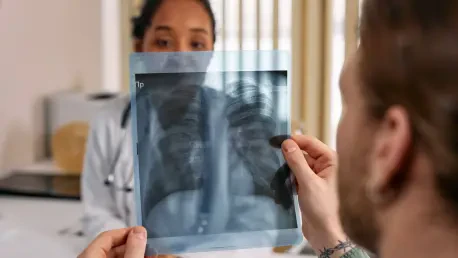
Scientific research confirms that silica particles are roughly 20 times more lethal than traditional coal dust and are small enough to penetrate deep into the respiratory system. These microscopic shards cause permanent, irreversible scarring of the lung tissue, known as progressive massive fibrosis. For veteran miners, years of cutting through rock have resulted in severe physical deterioration, sometimes requiring lung transplants or leading to premature death. This shift from coal-centric dust to silica-heavy environments has fundamentally altered the risk profile of underground mining, making the air significantly more toxic than it was in the late 20th century. Because silica dust is finer and more abrasive, it causes damage much faster than coal particles alone. The resulting medical condition is more aggressive and less responsive to treatment, leaving many workers with a diminished quality of life long before they reach retirement age, effectively ending their careers and shortening their lives.
Alarming Statistics in Central Appalachia
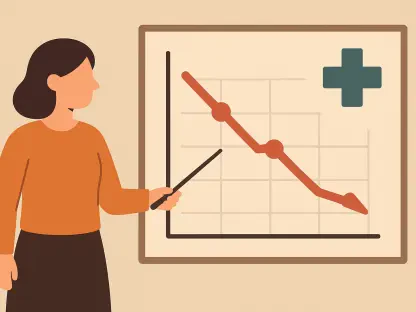
The statistical evidence of this resurgence is staggering, particularly in eastern Kentucky, southwestern Virginia, and West Virginia. Recent reports from the National Institute for Occupational Safety and Health indicate that nearly one in three long-term miners now tests positive for black lung. This is a dramatic increase from 1999, when the rate was less than one in ten, marking the highest prevalence of the disease recorded in nearly five decades. The data shows that the safety improvements implemented in previous generations are being overwhelmed by the increased intensity of silica exposure. Public health officials are seeing clusters of the most advanced forms of the disease in areas where mining is most active. These numbers reflect a systemic failure to control the underground environment, as the percentage of affected workers continues to climb despite the availability of modern monitoring equipment and various industrial filtration technologies.
Legal experts and miner advocates suggest that these official figures might even be conservative, as many workers avoid testing for fear of losing their livelihoods. The speed at which the disease is spreading has outpaced the expectations of many experts, signaling that the workplace has become significantly more hazardous in a very short period. The data reveals a clear upward trend that shows no signs of slowing down without immediate intervention. Many clinicians in Appalachia report that the severity of the lung damage seen in current patients is far worse than what was documented twenty years ago. This spike in cases has placed an immense burden on regional healthcare systems and specialized black lung clinics, which are struggling to provide care for an influx of disabled miners. The statistical reality confirms that the industry is facing a crisis of historic proportions, requiring a total reassessment of how air quality is managed in the subterranean environment.
Regulatory Obstacles and Industry Conflict
The Stalled Federal Response
In an attempt to address the silica threat, federal officials proposed a new rule that would slash the permissible exposure limit for silica dust by half. This change aimed to bring coal mining in line with safety standards already used in the construction and oil industries. The rule focuses on engineering controls, such as better ventilation and water sprays, to stop the dust at its source rather than relying on individual protection. By mandating these physical changes to the mining environment, regulators hoped to reduce the overall atmospheric concentration of toxic particles. This proactive approach was designed to move away from the reactive policies of the past, focusing instead on the root cause of respiratory failure. Implementing such standards would require significant investment from mine operators to upgrade their air handling systems and monitoring tools, which has led to intense debate over the feasibility and timing of these mandatory safety upgrades.
However, the implementation of this rule has been plagued by a series of delays and bureaucratic hurdles. From administrative pauses to a 2025 emergency stay granted by a federal appeals court, the path to enforcement has been blocked by legal challenges. Critics argue that the government has entered a cycle of information gathering and red tape that effectively maintains a status quo that is killing workers. This regulatory stalemate has left thousands of miners exposed to levels of silica that are considered unsafe by modern medical standards. While the legal battles continue in the courts, the air in the mines remains unchanged, and the rate of new diagnoses shows no signs of abatement. The gap between scientific knowledge and legal requirements has created a period of high risk where miners are working under outdated protections. This delay highlights the difficulty of aligning federal safety mandates with the economic interests of a sector that is under pressure to produce more energy.
Divergent Views on Worker Safety
The National Mining Association and other industry groups have pushed back against the proposed regulations, arguing that the required engineering upgrades are too burdensome for operators. Instead, they advocate for workforce measures, such as requiring miners to wear respirators or rotating staff to different areas of the mine to limit exposure time. They suggest that personal protective equipment is a more flexible and cost-effective solution than a total overhaul of mine ventilation systems. This perspective emphasizes individual responsibility and equipment-based solutions rather than environmental modifications. Industry representatives claim that the current economic climate makes it difficult for smaller operations to afford the high costs of new engineering controls. They argue that a more gradual approach to regulation would allow companies to stay in business while still addressing health concerns through less invasive means, such as better training and higher-quality personal gear for every miner.
Miners and their advocates strongly disagree with this approach, citing the practical dangers of wearing bulky respirators in dark, high-risk environments where clear vision and hearing are essential for survival. They point out that equipment often fails in harsh conditions and that smaller mines lack the staff to rotate workers effectively. For those on the front lines, the only real solution is to remove the toxic dust from the air entirely through superior ventilation. Personal protective equipment is often seen as a last resort rather than a primary defense, as it can be uncomfortable and impede communication during critical operations. Advocates argue that placing the burden of safety on the worker is inherently unfair and ineffective in the long term. They emphasize that the most successful industrial health initiatives have always relied on removing the hazard rather than asking the worker to adapt to it. This fundamental disagreement continues to stall progress on a unified safety strategy.
The Social and Economic Impact
A Multi-Generational Health Crisis
One of the most disturbing trends in the current epidemic is the decreasing age of those diagnosed. While black lung was once considered a disease of the elderly, clinicians are now seeing severe cases in miners as young as 30. These individuals often have only a decade of experience underground, yet they suffer from complicated versions of the disease that were previously reserved for those at the end of their long careers. This shift indicates that the current mining environment is far more toxic than in previous eras, leading to rapid disease progression. The sight of young fathers relying on oxygen tanks has become increasingly common in mining towns, signaling a generational shift in the impact of the trade. This trend threatens to deplete the local workforce and leave families without primary breadwinners much earlier than expected. The rapid onset of the disease also means that many younger workers are being disqualified from other physically demanding jobs.
This creates a tragic economic trap for families in Appalachia, where coal mining remains one of the few ways to earn a middle-class living. Workers find themselves forced to choose between a job that provides for their children’s future and their own physical survival. The result is a generation of disabled men who, despite their hard work, are left unable to perform basic physical tasks like walking to a mailbox. This choice is often dictated by the lack of alternative employment opportunities in remote regions, making the coal mine the only viable source of income. The long-term cost to the community is immense, as the region faces rising healthcare expenses and a loss of productive workers. Families are often left to navigate the complex and often adversarial process of applying for federal disability benefits, which can take years to secure. This cycle of health decline and economic instability has far-reaching consequences for the social fabric of the entire Appalachian coal belt.
Political Pressures and the Future of Coal
The resolution of this crisis required a multifaceted approach that prioritized engineering over personal protection. Federal agencies eventually moved beyond information gathering to enforce strict atmospheric standards that eliminated the threat at its source. Lawmakers successfully expanded funding for black lung clinics and streamlined the benefits process to support the growing number of disabled workers. Looking ahead, the industry shifted toward automated mining systems in high-silica zones to remove humans from the most hazardous environments. These future considerations included a mandatory transition to advanced filtration systems that operated independently of the miner’s physical exertion. By addressing the root cause of the dust and modernizing the regulatory framework, the nation finally aligned its energy production goals with the fundamental right to a safe workplace. This strategy provided a clear path toward sustaining the power grid without sacrificing the health of the community.